

Renting a car in America can feel like navigating a maze of fees, insurance options, and confusing terms at the counter. The rental process seems designed to squeeze extra money out of travelers who don’t know the tricks.
Armed with the right information, you can cut through the nonsense and get a fair deal. Here is a list of 15 tips that’ll help you rent a car without getting taken for a ride.
Book directly through the rental company’s website

Third-party booking sites often show lower initial prices, but they complicate the process when something goes wrong or you need to modify your reservation. Rental companies prioritize their direct customers and often match or beat third-party prices if you ask—plus you’ll earn loyalty points and have direct access to customer service.
The few dollars you might save through an aggregator rarely compensate for the headaches they create.
Skip the rental counter insurance if you’re already covered

Check your personal auto insurance policy and credit card benefits before the rental agent starts their insurance pitch. Most comprehensive auto policies extend coverage to rental cars, and many premium credit cards provide collision damage coverage as a perk.
You could be paying $30 a day for protection you already have—just make sure you understand the specifics of your existing coverage and any deductibles involved.
Photograph the car from every angle before leaving the lot

Spend five minutes walking around the vehicle and taking clear photos of every panel, the windshield, all four tires, and the interior. Zoom in on any existing scratches, dents, or damage so there’s no question that it was already there.
This documentation protects you from being charged for pre-existing damage that some overworked return agent might blame on you weeks later.
Decline the prepaid fuel option

Rental companies charge well above market rates for prepaid gas—often two or three times what you’d pay at a regular station. The ‘convenience’ of not refueling before returning the car comes with a massive markup that makes no financial sense.
Just fill up at a gas station within a mile or two of the airport before returning, which takes maybe ten minutes and saves you a chunk of money.
Understand the difference between car categories

When you reserve an ‘economy’ or ‘compact’ car, you’re actually booking a category rather than a specific make and model. The rental company will give you whatever’s available in that class—sometimes you get upgraded for free if they’re out of your reserved category.
Don’t get too attached to the exact vehicle shown in the booking photos because that’s just a representative example.
Join loyalty programs even for one-time rentals

Signing up for a rental company’s free loyalty program takes three minutes and often knocks a few percentage points off your rate. Members also skip lines, get faster service, and accumulate points toward free rental days—benefits that apply even on your very first rental.
The programs cost nothing and some travelers rack up enough points for a free week-long rental after just a few trips.
Inspect the gas gauge and mileage at pickup
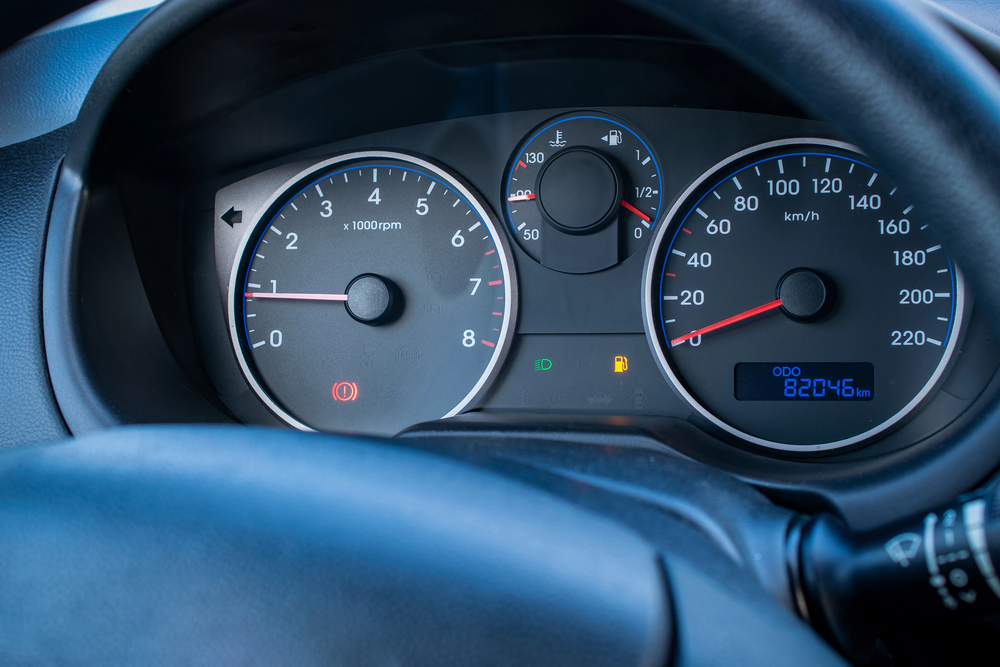
The rental agreement will note how much fuel is in the tank and the odometer reading when you drive away. Verify these details yourself before leaving the lot because discrepancies become your problem later.
If the car’s supposedly full but the needle shows three-quarters, point it out immediately—otherwise you’ll pay a refueling charge for gas you never used.
Return the car with slightly more fuel than you received it
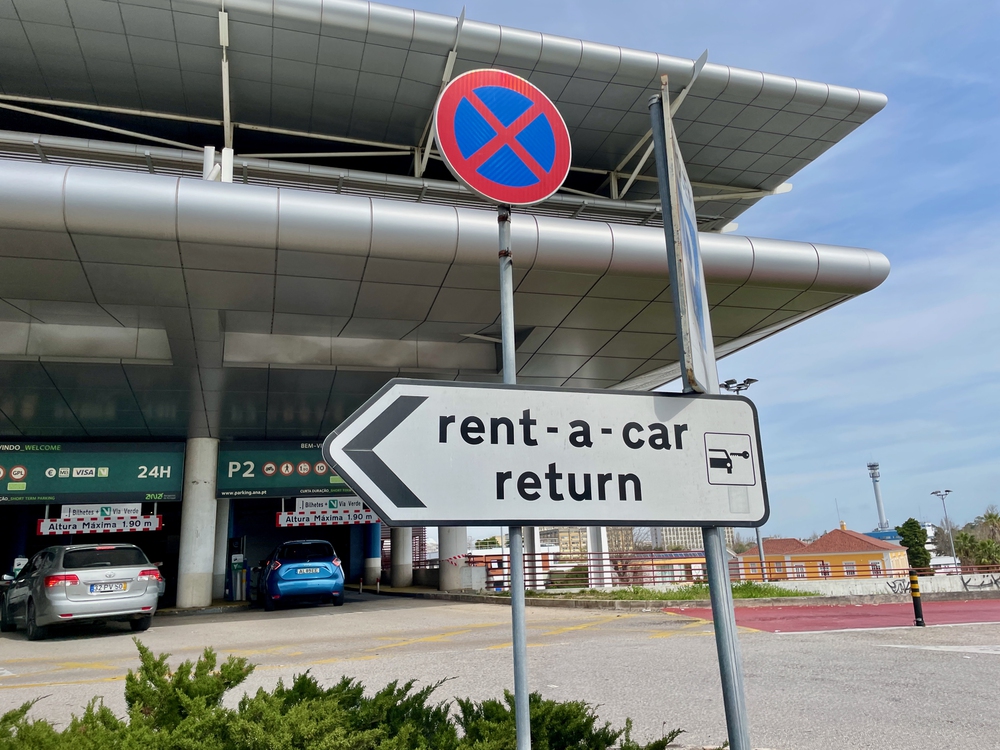
The rental agreement usually requires you to return the vehicle with the same fuel level as when you picked it up. Play it safe by topping off the tank so it’s reading is slightly fuller than your pickup photos show—spending an extra $2 on gas beats paying the rental company’s inflated refueling fees by a mile.
That buffer protects you from any argument about whether the tank was truly full.
Avoid airport locations when possible

Rental counters inside airports tack on facility fees, airport concession charges, and other creative surcharges that can add twenty to thirty percent to your bill. Off-airport locations—even ones with free shuttle service from the terminal—often charge significantly less because they’re not paying the airport’s premium rent.
The shuttle ride adds maybe 15 minutes to your trip, but could save you $50.
Read the rental agreement before driving off
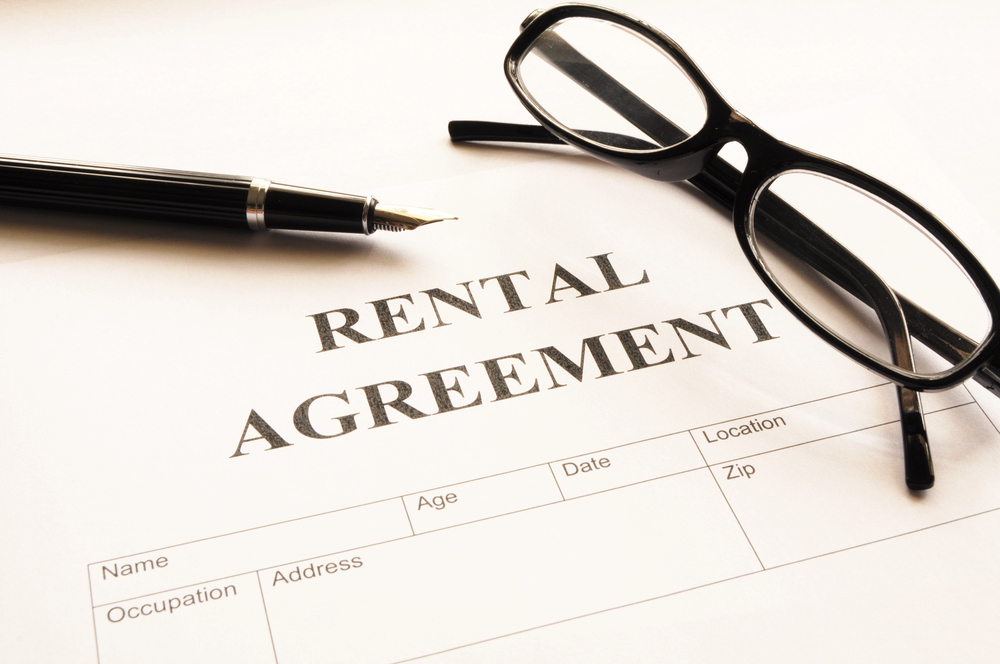
That multi-page contract you’re signing contains important details about mileage limits, where you can drive the car, additional driver fees, and what happens if you return it late. Rental agents rush through this part, but taking two minutes to skim the terms prevents nasty surprises later.
If something doesn’t match what you were promised when booking, address it before leaving the counter.
Use a credit card rather than a debit card

Most rental companies will rent to debit card users, but they’ll place a hold on several hundred dollars in your checking account as a security deposit. This hold can take a week or more to release after you return the car, potentially causing problems with other payments.
Credit cards avoid this hassle and provide better fraud protection—plus many offer rental car insurance as a cardholder benefit.
Ask about discounts and memberships at the counter

Mention any AAA membership, AARP, Costco, military service, or corporate affiliations when picking up your car—sometimes the counter agent can apply additional discounts that didn’t show up when you booked online. The worst they can say is no, and occasionally you’ll discover a promotional code that drops your rate by another ten or fifteen percent.
Companies would rather rent the car at a slight discount than have it sit in the lot.
Check for toll transponders and their fees

Many rental cars come equipped with electronic toll transponders that automatically charge tolls to your rental account—along with hefty service fees for each toll. If you’re not planning to use toll roads, ask the agent to deactivate the transponder or cover the sensor.
These convenience fees add up fast and you could end up paying double or triple the actual toll amount through the rental company.
Return the car early in the day if possible

Returning your rental during business hours—especially morning hours—means you can get a printed receipt and walk through the return inspection with an agent. Late-night returns in unstaffed lots leave you vulnerable to damage claims because there’s no one to confirm the car’s condition.
The peace of mind of a documented return inspection beats the convenience of dropping keys in a box.
Plan for potential upgrade upsells at the counter

Rental agents work on commission and will pitch upgrades to larger vehicles, GPS units, satellite radio, and other add-ons when you pick up your car. Decide in advance whether you might want any upgrades and what you’re willing to pay—this prevents you from making expensive impulse decisions when you’re tired from traveling.
Sometimes the upgrade to a midsize car costs just $5 more per day, which might actually be worth it if you’ve got a lot of luggage.
Getting what you pay for

Car rentals shouldn’t be like negotiating a deal from a used car salesman, but these tips will give you the upper hand. The car rental companies know the average consumer doesn’t know what he’s entitled to or is in too much of a hurry to argue the point about extra fees that don’t need to be paid.
All it takes is some know-how and curiosity, and renting a car will no longer be an ordeal but an easy transaction where you get the best deal.
More from Travel Pug

- Underrated Italian Towns That Beat the Tourist Crowds
- Las Vegas Tourist Traps to Skip
- Prettiest Towns in Every US State
- 18 passport-free countries for Americans
- Signs Your Cruise Is Not Worth The Cost
Like Travel Pug’s content? Follow us on MSN.