

There’s something almost theatrical about stepping into a massive indoor shopping mall. The echo of footsteps on polished floors, the distant hum of conversation, the way natural light filters down from skylights three stories above — it feels like entering a small city that happens to exist entirely under one roof.
These sprawling complexes have become destinations in their own right, offering far more than just retail therapy.
From coast to coast, America’s largest indoor shopping malls represent impressive feats of architecture and urban planning. Some house entire amusement parks, others feature indoor waterfalls or ice-skating rinks.
A few have become so large they require maps just to navigate from one anchor store to another. Whether you’re seeking a specific purchase or simply want to experience these retail giants, these massive malls deliver experiences that online shopping simply cannot replicate.
Mall of America

No discussion of massive indoor malls begins anywhere else. Four floors.
Over 500 stores. An entire amusement park sitting in the center where you’d expect to find a simple food court.
The numbers tell part of the story, but walking through Bloomington, Minnesota’s retail cathedral tells the rest. Nickelodeon Universe spans seven acres right in the middle of everything, complete with roller coasters and a Ferris wheel that seems impossibly out of place until you realize the entire concept is impossibly out of place.
That’s precisely the point.
King of Prussia Mall
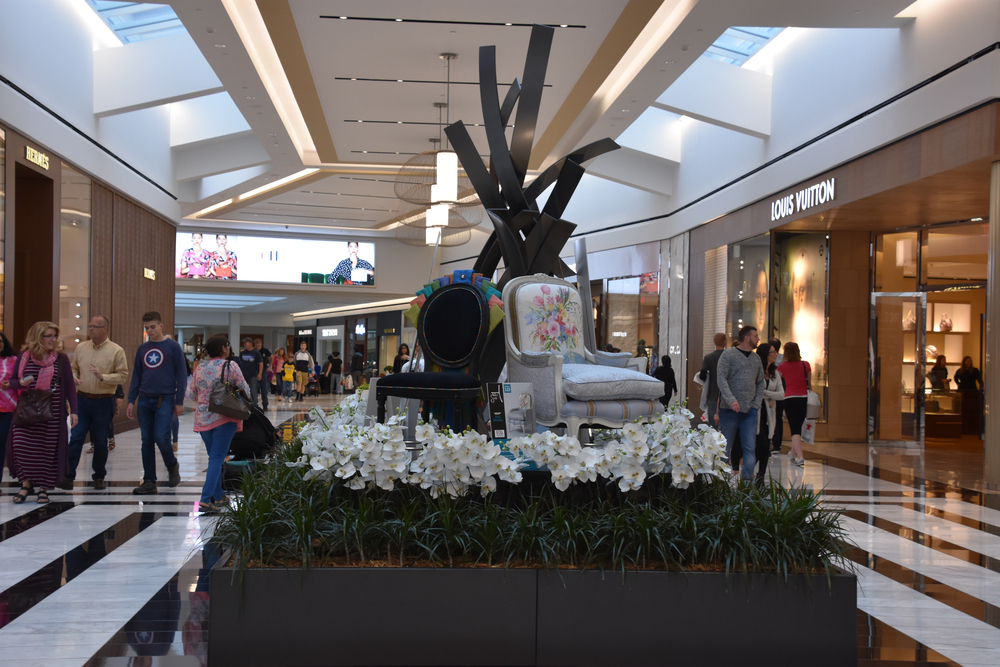
Pennsylvania’s retail heavyweight splits itself across two connected buildings and somehow makes the arrangement feel intentional rather than awkward (which is saying something, given how these expansions usually turn out). The Court and Plaza sections flow together with enough high-end retailers to make your credit card nervous just walking past the storefronts.
This isn’t a mall trying to be an entertainment destination — it’s focused entirely on shopping, and that focus shows. When you need to cover serious ground and actually buy things rather than ride roller coasters, King of Prussia delivers without apology.
South Coast Plaza
Orange County’s answer to upscale retail spans a large retail complex in Costa Mesa, California, where the Pacific Ocean breeze carries just enough salt air to remind you that this particular shopping experience comes with a distinctly coastal premium. The mall doesn’t just house luxury retailers — it curates them, like a museum that happens to let you buy the art (assuming your bank account can handle the conversation).
The architecture here understands something important: when people are spending serious money, the environment should feel worthy of the transaction. So the lighting stays soft, the corridors stay wide, and the overall atmosphere maintains that particular hush that expensive places seem to naturally acquire.
Walking through South Coast Plaza feels less like shopping and more like attending a very elegant, very expensive party where the dress code happens to be your credit limit.
Del Amo Fashion Center
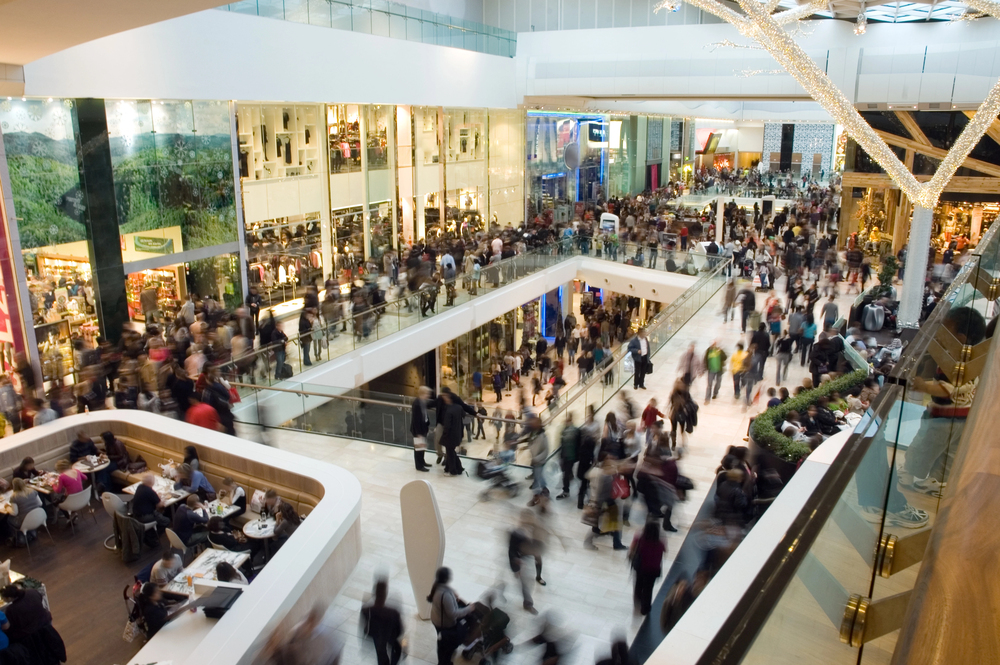
Torrance, California, houses this sprawling complex that stretches across multiple city blocks and connects through a series of bridges and walkways that can leave first-time visitors genuinely confused about which direction leads back to their car (this happens more often than the mall management probably likes to admit).
The layout challenges conventional mall wisdom by spreading itself thin rather than building up, creating an almost neighborhood-like feeling where different sections develop their own distinct personalities. Some areas feel upscale and hushed, others buzz with activity and food court energy.
Navigating Del Amo requires either a good sense of direction or a willingness to accept that getting slightly lost is part of the experience.
And yet that sprawling, slightly chaotic quality gives Del Amo something many malls lack: genuine surprise. You never quite know what you’ll find around the next corner, which turns routine shopping trips into minor adventures.
Aventura Mall
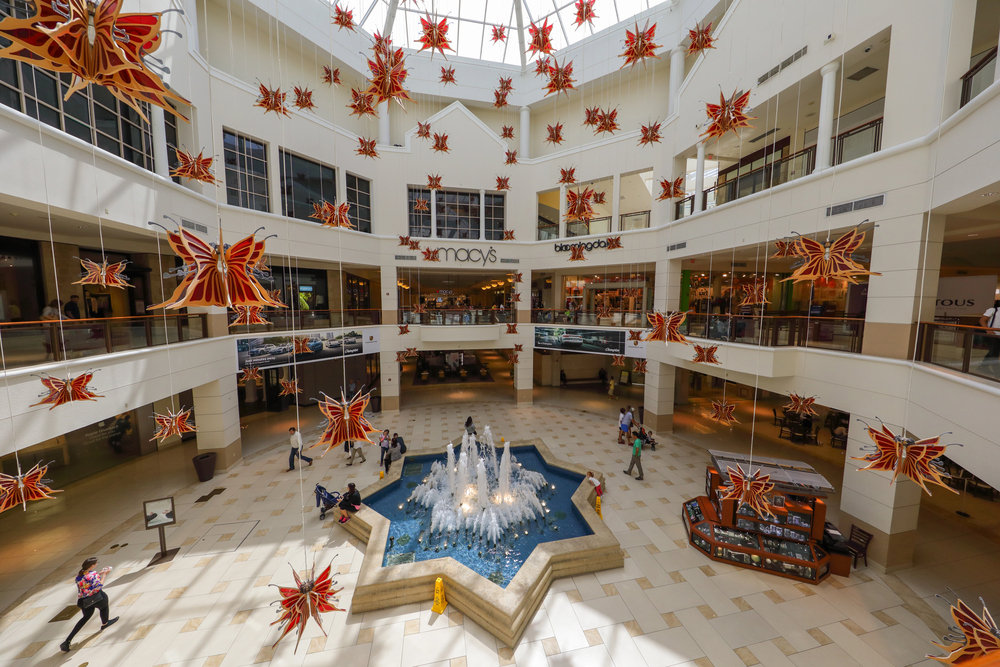
Florida’s retail giant sits in Aventura, just north of Miami, where the architecture embraces natural light in ways that make you forget you’re enclosed in a massive indoor space. The skylights and open corridors create an airy atmosphere that works particularly well in a climate where stepping outside means stepping into a wall of humidity.
The tenant mix skews international, reflecting South Florida’s position as a gateway to Latin America and the Caribbean. Walking through Aventura feels like browsing through a carefully curated selection of global retail, where European luxury brands sit comfortably next to emerging designers from across the Americas.
It’s shopping with a distinctly cosmopolitan flavor.
Destiny USA
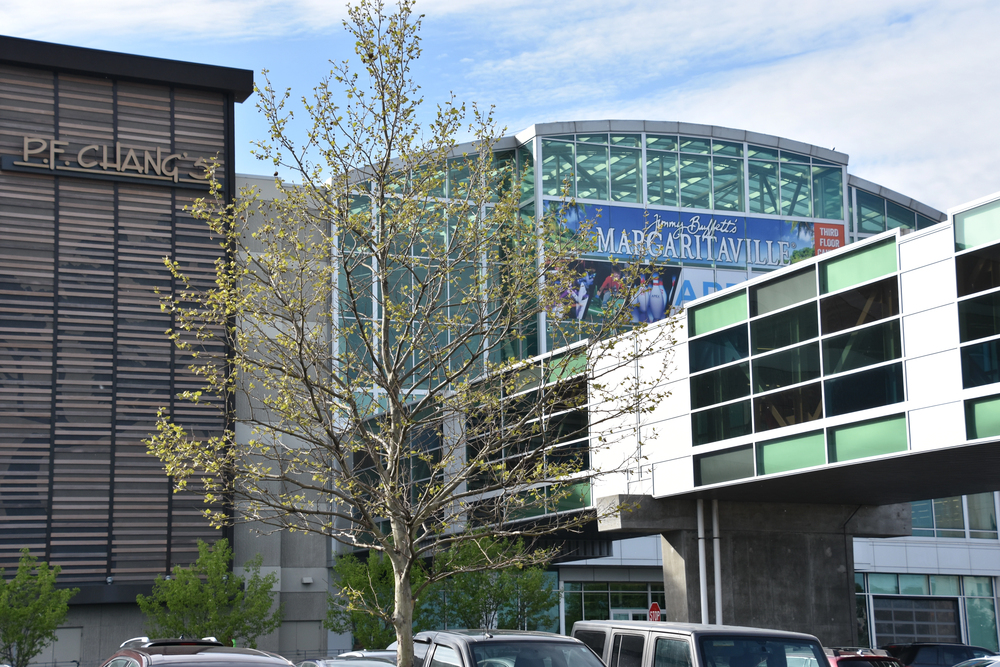
Syracuse, New York’s massive retail complex carries the kind of ambitious name that either delivers spectacularly or crashes magnificently — and somehow manages to do both simultaneously. The six-story structure houses traditional retail alongside entertainment options that include indoor go-kart racing, an escape room, and a ropes course suspended above the shopping corridors.
The whole thing feels like someone decided to challenge the basic concept of what an indoor mall should be, then kept pushing until they’d created something entirely new. Walking through Destiny USA requires a certain suspension of disbelief, but once you accept that you might genuinely encounter rock climbing walls next to department stores, the experience becomes genuinely entertaining.
Most malls try to contain their ambitions within familiar boundaries — Destiny USA seems to have missed that memo entirely.
Tysons Corner Center
Virginia’s retail powerhouse sits just outside Washington, D.C., where political power meets purchasing power in ways that create their own particular atmosphere. This isn’t a mall that tries to entertain you with amusement parks or indoor beaches — it simply offers an impressively comprehensive selection of retailers spread across multiple levels of polished, efficient retail space.
The clientele tends toward the professional and purposeful, which creates a shopping environment that feels more business-like than leisurely. People come to Tysons Corner to accomplish specific goals rather than wander aimlessly, and the mall’s layout supports that kind of focused shopping with clear sight lines and logical organization.
There’s something refreshing about a mall that knows exactly what it is and executes that vision without unnecessary complications. Tysons Corner understands that sometimes the best shopping experience is simply having access to everything you need under one roof, presented clearly and without distraction.
The Galleria
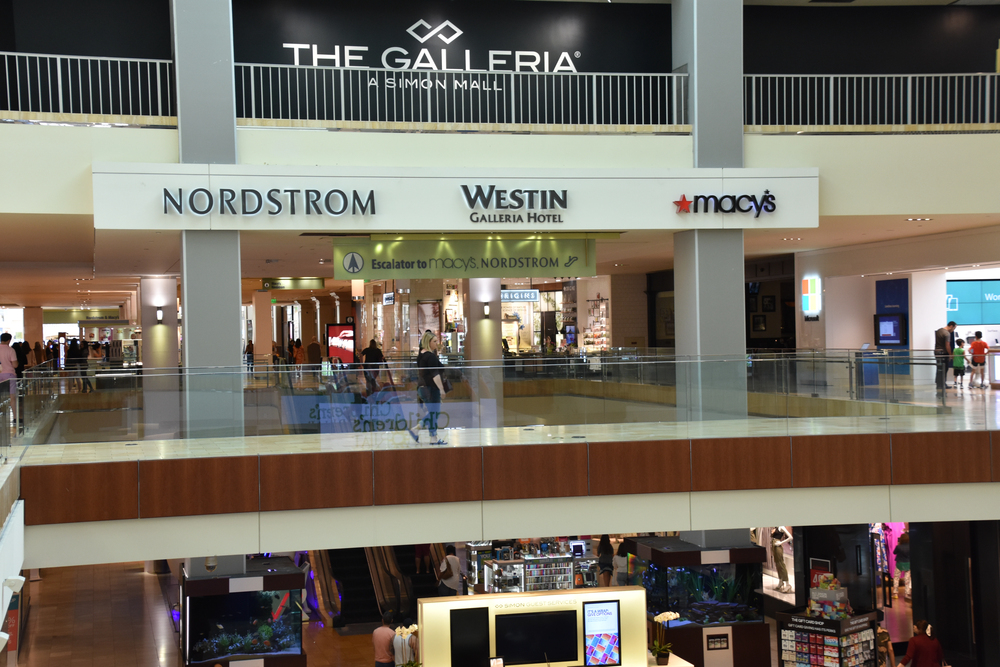
Houston’s climate-controlled retail cathedral stretches beneath Texas-sized skylights that flood the corridors with natural light, creating an atmosphere that feels both grand and surprisingly intimate. The centerpiece ice skating rink occupies the center court like a small miracle of refrigeration engineering, where figure skaters practice their routines while shoppers browse stores that circle the ice like an amphitheater.
This architectural choice — placing an ice rink at the heart of everything — reveals something essential about The Galleria’s personality. It’s a mall that understands theatricality, where the shopping experience becomes a kind of performance and the ice serves as both entertainment and a cooling reminder that you’ve stepped out of the Houston heat into something entirely different.
The retail mix spans from accessible to aspirational, but everything benefits from that central ice rink’s cooling effect, both literally and metaphysically. Shopping here feels like participating in an elegant, ongoing celebration of the triumph of air conditioning over climate.
Fashion Show Mall

Las Vegas Boulevard’s retail showcase sits directly on the Strip, where it competes for attention with casino resorts and entertainment complexes by embracing spectacle as its primary organizing principle. The retractable runway that emerges for actual fashion shows tells you everything you need to know about this mall’s approach to retail — why settle for simple shopping when you can create an event?
The fashion shows happen regularly enough that you might stumble into one accidentally, transforming an ordinary shopping trip into front-row seating for an impromptu runway presentation. Models stride down catwalks suspended above the main corridors while shoppers pause to watch from multiple levels, creating an atmosphere that blurs the line between retail and entertainment.
But even when the runway stays retracted, Fashion Show Mall maintains that sense of impending spectacle that makes even mundane purchases feel slightly more dramatic. It’s shopping with a Vegas sensibility — bigger, brighter, and more theatrical than strictly necessary.
Sawgrass Mills
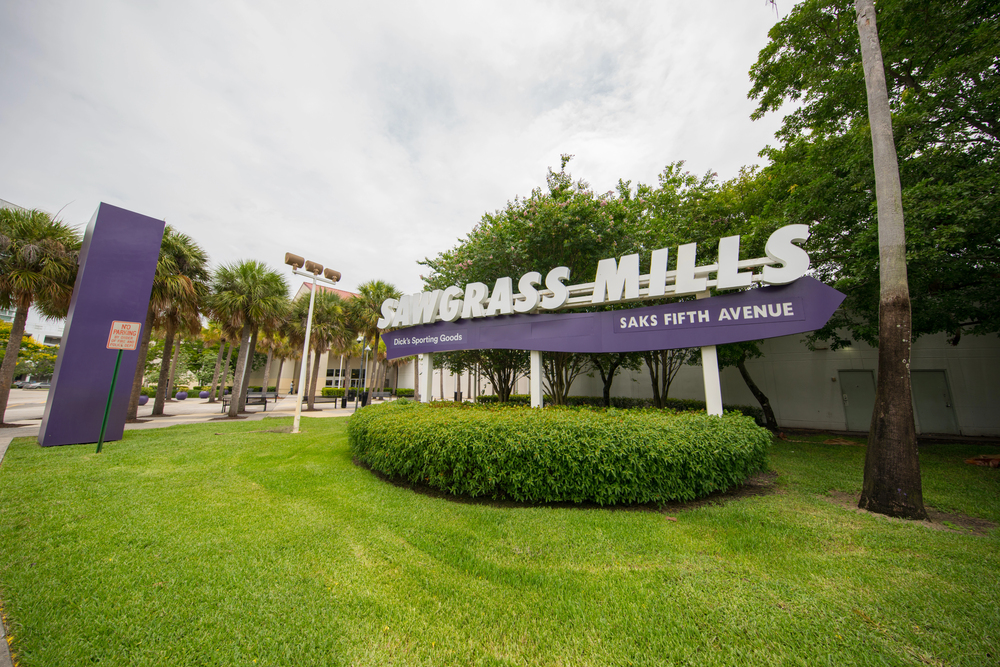
Florida’s outlet paradise sprawls across Sunrise in a layout that defies conventional mall logic by embracing the kind of sprawling, slightly chaotic organization that outlet shopping seems to naturally generate. The alligator-shaped floor plan (yes, really) creates distinct sections that each develop their own shopping personality, from high-end outlet stores to tourist-friendly souvenir shops.
The whole complex feels designed for serious bargain hunting rather than casual browsing. The wide corridors accommodate the shopping carts and rolling bags that serious outlet shoppers deploy like professional equipment, while the extended hours acknowledge that finding the perfect deal sometimes requires patience that stretches well into the evening.
And yet there’s something genuinely satisfying about Sawgrass Mills’ unabashed embrace of its outlet identity. This isn’t a mall pretending to be something more refined — it’s a place dedicated entirely to the proposition that everything you want is available here, probably at a better price than you’ll find elsewhere, assuming you’re willing to do the work of finding it.
Fashion Island
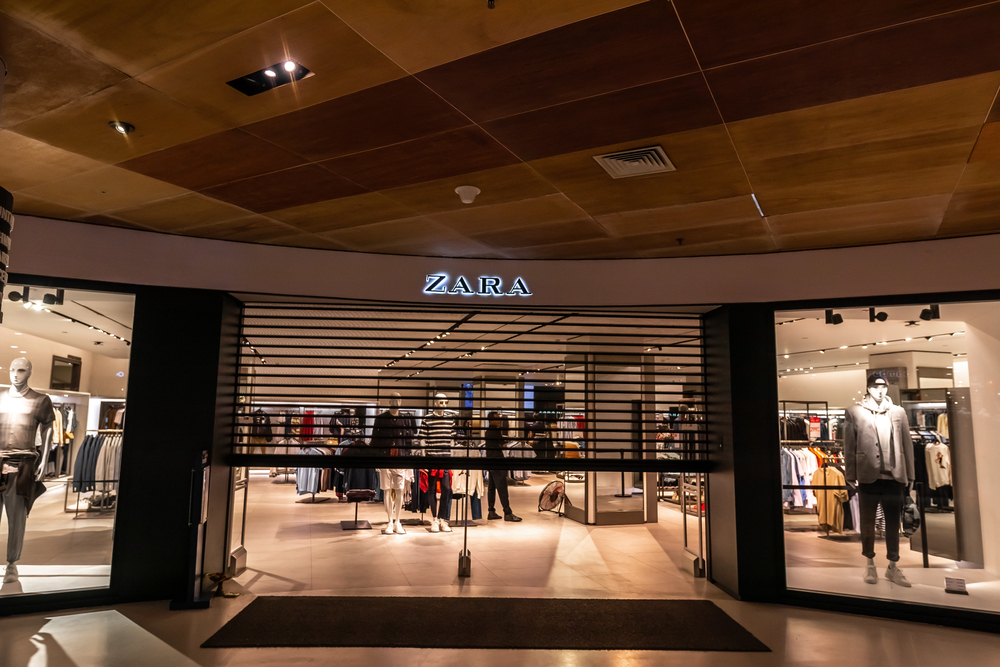
While primarily open-air, Fashion Island includes covered and enclosed shopping areas, creating enough sheltered shopping space to earn inclusion — and besides, the Southern California location means the distinction between indoor and outdoor shopping becomes pleasantly irrelevant for most of the year.
The ocean breeze carries through the corridors like natural air conditioning, while the carefully landscaped courtyards and fountains create an atmosphere that feels more like strolling through an elegant outdoor plaza than shopping in a traditional mall. The retail mix skews heavily toward the upscale, reflecting both the Newport Beach location and the kind of relaxed luxury that Southern California coastal communities seem to naturally generate.
Shopping here feels less like a commercial transaction and more like a pleasant walk through a particularly well-designed neighborhood where everything happens to be for sale.
NorthPark Center
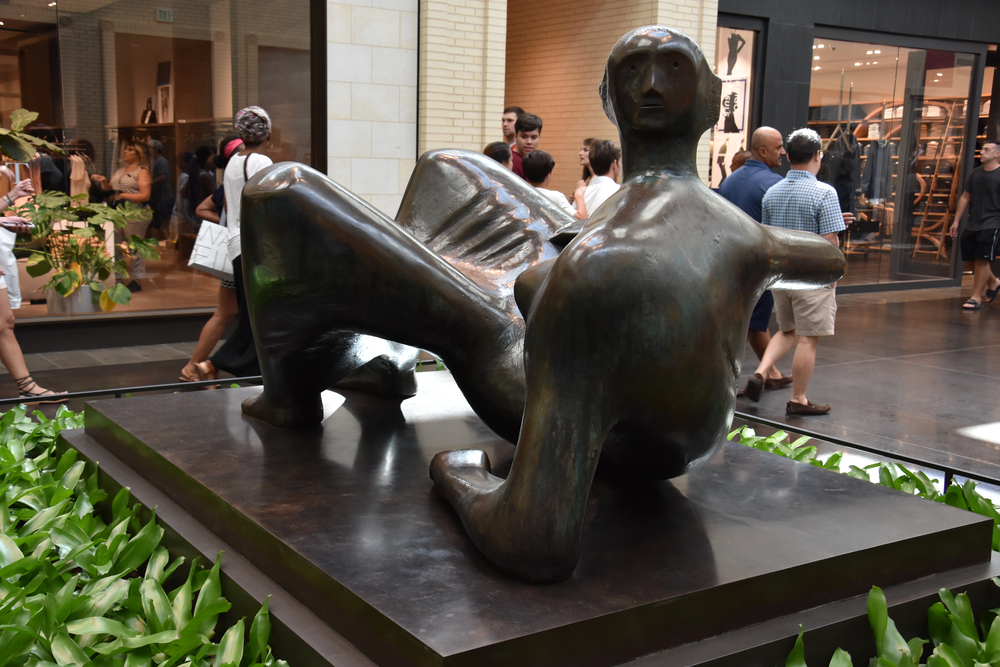
Dallas’s retail jewel spreads across multiple levels of carefully planned space where natural light filters through strategically placed skylights and windows, creating an atmosphere that feels both enclosed and open, intimate and grand. The art collection scattered throughout the corridors gives the whole complex a museum-like quality that elevates casual shopping into something approaching a cultural experience.
The tenant mix reflects Dallas’s particular brand of ambition, where traditional luxury retailers share space with emerging designers and established local favorites. Walking through Northpark feels like browsing through a carefully curated selection of everything Texas retail has to offer, presented in an environment that understands the importance of both substance and style.
There’s something distinctly Texan about Northpark’s approach to luxury — confident without being flashy, impressive without being overwhelming, large-scale without losing sight of the details that make shopping genuinely pleasurable.
Where retail becomes experience
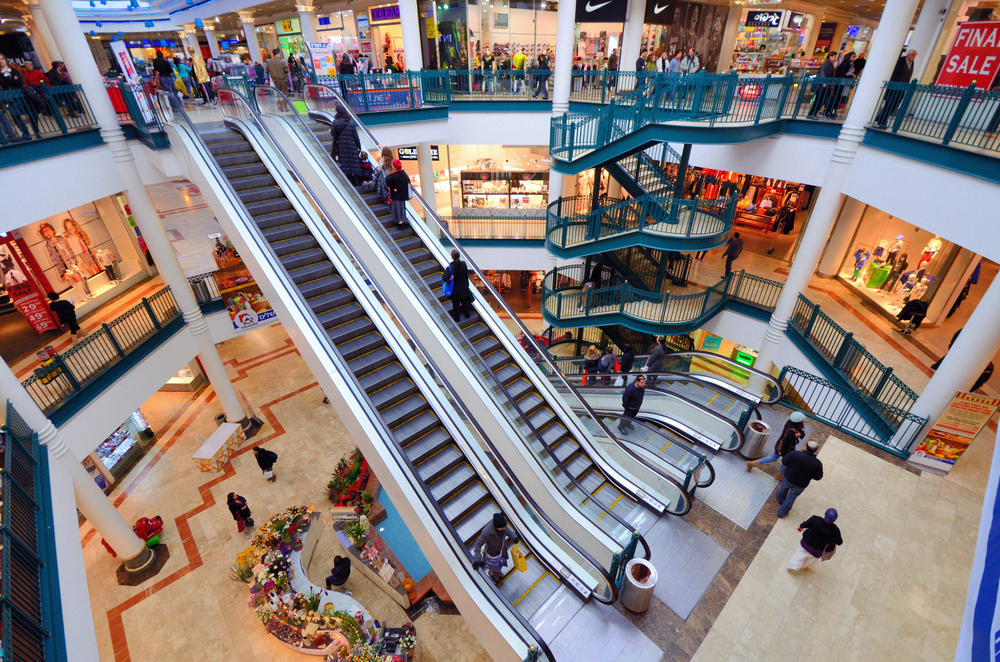
These massive indoor malls represent something beyond simple commerce — they’re controlled environments where architecture, retail, and human behavior converge to create experiences that exist nowhere else. Walking through them reveals as much about American culture and consumption patterns as any sociological study, but with better lighting and more convenient parking.
The largest among them have evolved into destination experiences that justify their own travel plans. They offer glimpses of how we choose to spend both our time and our money when given nearly unlimited options under climate-controlled conditions.
Some embrace entertainment, others focus purely on retail excellence, but all of them understand that size alone isn’t enough — they must fill their vast spaces with experiences worth the journey.
More from Travel Pug

- Underrated Italian Towns That Beat the Tourist Crowds
- Las Vegas Tourist Traps to Skip
- Prettiest Towns in Every US State
- 18 passport-free countries for Americans
- Signs Your Cruise Is Not Worth The Cost
Like Travel Pug’s content? Follow us on MSN.