

Pilgrimage routes have attracted visitors for millennia, but they provide a lot more than religious satisfaction alone. These ancient trails traverse some of the most spectacular scenery on the planet—snow-capped mountains, emerald-green valleys, craggy coastlines, and golden deserts. Traveling along these routes is to witness the majesty of nature while tracing the footsteps of many thousands of pilgrims who walked before.
Here is a compilation of 15 pilgrimages of a religious nature where the trip itself is a discovery, each one providing vistas that are awe-inspiring, no matter what your religious background.
Camino de Santiago’s western trails

Spain’s most renowned pilgrimage runs almost 500 miles from north to south through the country, weaving through medieval hamlets and endless fields of wheat that shimmer amber during summer. The last leg of your journey into Santiago de Compostela brings you past Galicia’s emerald hills, where early morning mist clings to gnarled oak forests.
Pilgrims have traveled this way since the 9th century, and the landscape changes dramatically from the Pyrenees mountain ranges to the Atlantic coast.
Mount Kailash’s sacred circuit
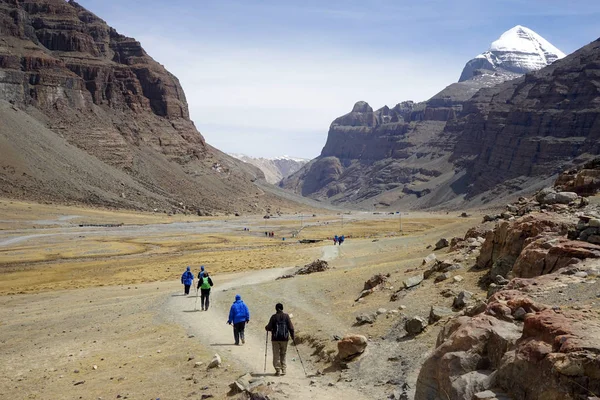
Tibet’s holiest mountain rises 22,000 feet above sea level, its snow-covered flanks visible for miles across the high plateau. The 32-mile circuit around Kailash takes pilgrims through barren yet beautiful terrain where turquoise lakes reflect endless sky.
Buddhists, Hindus, Jains, and Bon followers all consider this peak sacred—though views of the mountain itself prove breathtaking enough to transcend any single tradition.
Like Travel Pug’s content? Follow us on MSN.
Shikoku’s 88 temple path

Japan’s oldest pilgrimage loops 750 miles around the island of Shikoku, connecting 88 Buddhist temples through countryside that ranges from coastal cliffs to mountain forests. Cherry blossoms frame the spring journey, while autumn paints the maple groves in shades of crimson and gold.
The route follows in the footsteps of Kobo Daishi, the monk who founded Shingon Buddhism, yet it’s the Pacific views and rural landscapes that leave lasting impressions.
Via Francigena through Tuscany

This medieval route to Rome brought Canterbury pilgrims through France and into Italy, where the Tuscan leg provides some of Europe’s most photographed countryside. Smiling hills blanketed in vineyards and cypress trees produce postcard-perfect scenery at every corner.
The route goes through Siena and San Gimignano—but it is the peaceful sections in between towns where the most memorable scenes are to be had.
Adam’s Peak at sunrise
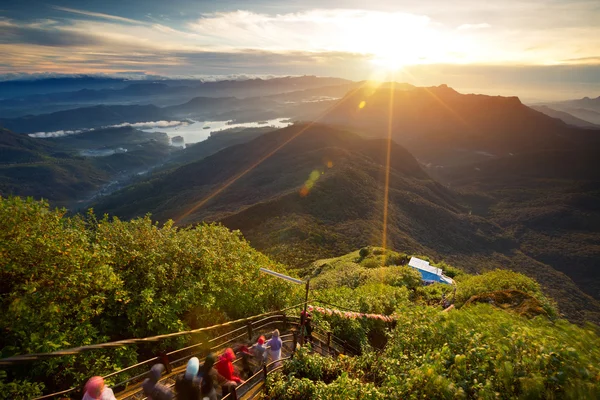
Sri Lanka’s conical mountain stands 7,400 feet tall and holds significance for Buddhists, Hindus, Christians, and Muslims alike. The nighttime climb leads pilgrims up 5,500 steps through tropical forest, timed to reach the summit at dawn.
Watching the sun rise over the island’s central highlands makes the challenging ascent worthwhile, while the mountain’s distinctive shadow stretches across the valleys below in a perfect triangle.
Like Travel Pug’s content? Follow us on MSN.
Kumano Kodo’s forest paths

Japan’s Kii Peninsula hides a network of pilgrimage trails that wind through ancient cedar forests and past thundering waterfalls. These routes have connected sacred Shinto and Buddhist sites for over a thousand years, though the UNESCO-protected landscape feels timeless.
Moss-covered stone steps lead through groves where sunlight filters down in golden shafts, and the mountains seem to hold their breath in reverence.
St. Olav’s Way through Norway
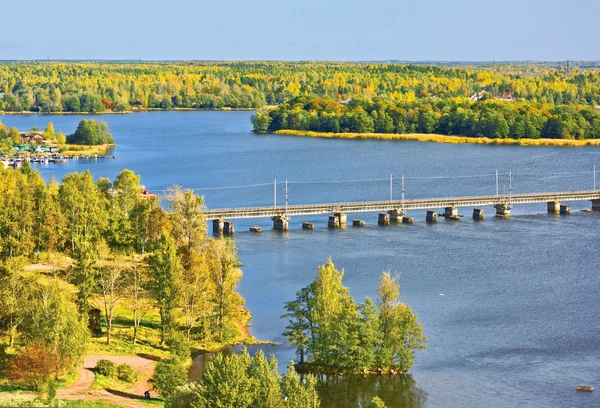
This 400-mile route traces the path of King Olav’s body from his death site to Trondheim Cathedral, cutting through some of Scandinavia’s most dramatic scenery. Pilgrims cross mountain plateaus where reindeer graze and fjords carve deep into coastal cliffs.
Summer brings nearly endless daylight to illuminate the journey, whereas winter transforms the landscape into a Nordic dreamscape of snow and ice.
Mount Sinai’s predawn ascent

Egypt’s legendary mountain draws pilgrims who believe Moses received the Ten Commandments at its summit, and the 7,500-foot climb reveals the stark beauty of the Sinai Desert. Most begin the ascent around 2 a.m. to reach the top before sunrise—watching light flood across the rust-colored mountains and valleys makes the sleepless night fade away.
The route passes St. Catherine’s Monastery, one of Christianity’s oldest continuously operating monasteries, nestled at the mountain’s base.
Like Travel Pug’s content? Follow us on MSN.
Lourdes pilgrimage through the Pyrenees

Routes converging on the French shrine town of Lourdes take pilgrims through the Pyrenees mountains, where peaks still wear snow caps even in summer. The journey through high passes and green valleys has drawn the faithful since 1858, when a young girl reported visions of the Virgin Mary.
Mountain streams rush beside the paths, and wildflowers carpet the meadows in colors that shift with the seasons.
Char Dham in the Himalayas

India’s most challenging pilgrimage circuit connects four sacred sites in Uttarakhand state, all nestled at elevations above 10,000 feet. The routes between Yamunotri, Gangotri, Kedarnath, and Badrinath offer views of the world’s highest peaks—including Nanda Devi and Trishul.
Monsoon rains can make the trails treacherous, yet clear days reveal vistas where glaciers feed the Ganges River’s source waters.
Mount Athos monastery trails

Greece’s monastic peninsula restricts access to male pilgrims only, yet those who receive permits discover Byzantine monasteries clinging to cliffs above the Aegean Sea. Footpaths connect the twenty monasteries through forests of chestnut and oak, while the holy mountain itself rises 6,670 feet at the peninsula’s tip.
The combination of spiritual isolation and Mediterranean beauty has drawn Orthodox monks here for over a millennium.
Like Travel Pug’s content? Follow us on MSN.
Croagh Patrick’s rocky slopes

Ireland’s Holy Mountain overlooks Clew Bay on the country’s western coast, its quartzite cone rising 2,500 feet above the Atlantic Ocean. Tradition holds that St. Patrick fasted at the summit for forty days, and modern pilgrims—some climbing barefoot—follow his example each July.
The view from the top stretches across hundreds of small islands dotting the bay, their green shapes contrasting with the blue water.
Inca Trail to Machu Picchu
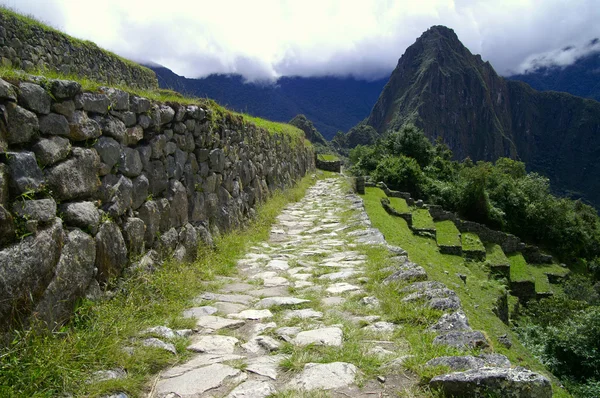
Peru’s famous trek combines pre-Columbian spirituality with jaw-dropping Andean scenery across 26 miles of ancient stonework. The trail climbs through cloud forests and over mountain passes at 13,800 feet before descending to the lost city’s terraces.
Though originally built for Incan pilgrims visiting sacred sites, today’s trekkers are rewarded with views of snow-covered peaks and the dramatic reveal of Machu Picchu through the Sun Gate.
Mount Fuji’s pilgrimage routes

Japan’s most iconic peak has drawn religious climbers for centuries through four main trails that begin in forests and end above the clouds. The official climbing season brings thousands to the 12,400-foot summit, though dawn views from the top—watching the sun rise over a sea of clouds—make the crowds worthwhile.
The mountain’s perfect volcanic cone has inspired artists and pilgrims alike, its symmetry visible from Tokyo on clear days.
Like Travel Pug’s content? Follow us on MSN.
Annapurna Sanctuary temple trails

Nepal’s Annapurna region hides ancient Buddhist and Hindu temples along routes that pass through rhododendron forests and terraced hillsides. The trails offer close-up views of 26,500-foot peaks—including Annapurna itself and the distinctive fishtail summit of Machapuchare.
Village teahouses provide rest stops where prayer flags flutter in mountain winds, and monks still maintain shrines that predate modern trekking routes.
When faith meets landscape

These pilgrimages demonstrate that body journeys and spiritual journeys tend to overlap in surprising ways. The paths endure not only because of the religious value that they hold but also because they lead travelers through environments that naturally lead people to marvel and contemplate.
Contemporary pilgrims trek for diverse motivations—some searching for enlightenment, some adventure, and many simply enticed by the potential beauty along old roads.
What started centuries ago as a religious faith has become something greater, illustrating how some places hold a power that transcends cultures and generations, urging us to tread their paths and explore what earlier travelers discovered in the mountains, valleys, and horizons that lie before us.
More from Travel Pug

- 20 Best Beach Towns in the Carolinas
- 13 Destinations Where Tourists Regularly Regret Their Trip
- 20 Things You Actually Get in First Class
- 20 Small Airports With Aviation Museums
- 20 Places in the U.S. That Are Perfect for a Reset Trip
Like Travel Pug’s content? Follow us on MSN.