

The Philippines sits right in the path of the Pacific Ocean swells, which makes it a natural playground for wave riders. With over 7,000 islands scattered across tropical waters, the country offers everything from hollow reef barrels to mellow beach breaks perfect for learning.
Surf culture here is still relatively young compared to places like Hawaii or Australia, but it’s growing fast, and the local communities have embraced the sport with genuine warmth. Here is a list of 15 surfing spots in the Philippines that cater to all skill levels and preferences.
Cloud 9, Siargao
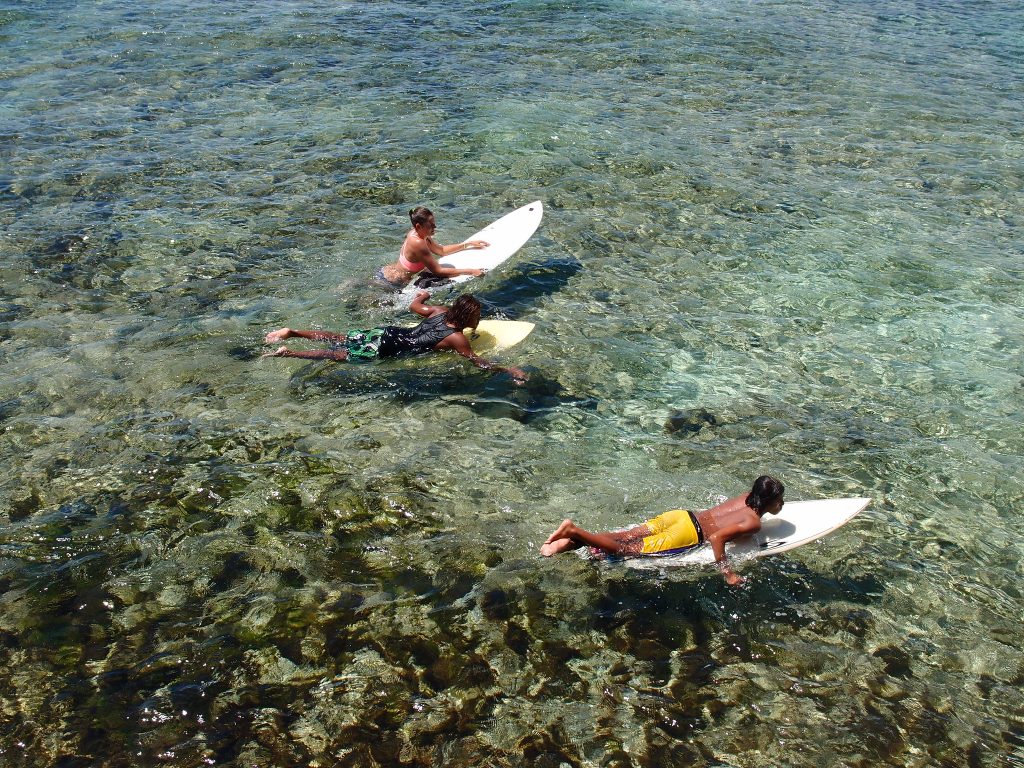
This powerful right-hand barrel has been voted one of the top five waves on the planet, and it put the Philippines on the global surf map. The wave breaks over shallow live coral, producing short but perfectly hollow tubes that attract experienced surfers from around the world.
Siargao’s laid-back island vibe, coconut-lined beaches, and thriving surf culture make it the undisputed surfing capital of the country.
San Juan, La Union
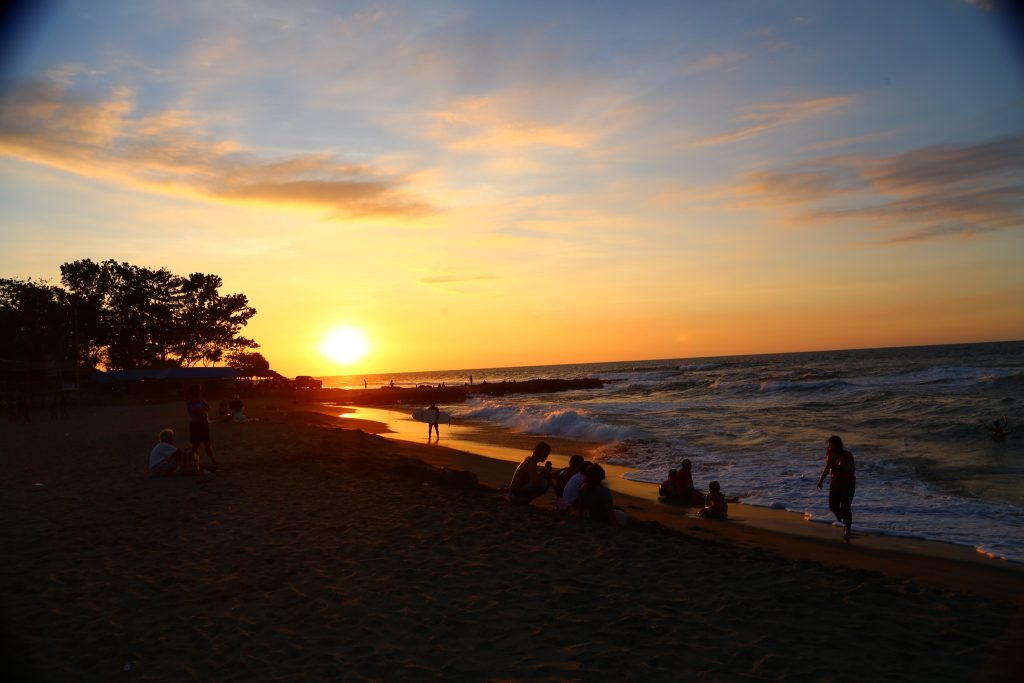
Often called the Surfing Capital of the North, this stretch of coast sits just a few hours from Manila and offers waves for every level. The area features three main breaks: the Beach Break for beginners, The Bowl for intermediate riders, and The Point, which delivers long right-hand walls when the swell picks up.
A thriving scene of surf schools, beachfront cafes, and local competitions has turned San Juan into a year-round destination.
Sabang Beach, Baler
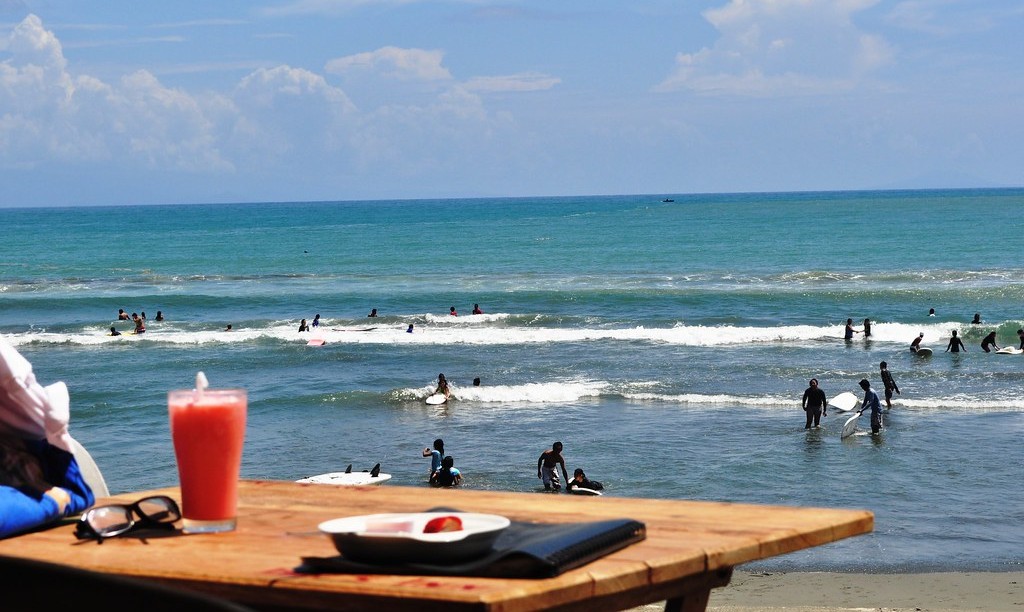
This is where Philippine surfing was born. The story goes that a film crew shooting Apocalypse Now in the late 1970s left behind their surfboards, and curious locals taught themselves to ride waves using the abandoned gear.
Today, Sabang’s long sandy beach produces consistent waves that are forgiving enough for beginners while still offering enough push to keep intermediate surfers entertained.
Charlie’s Point, Baler
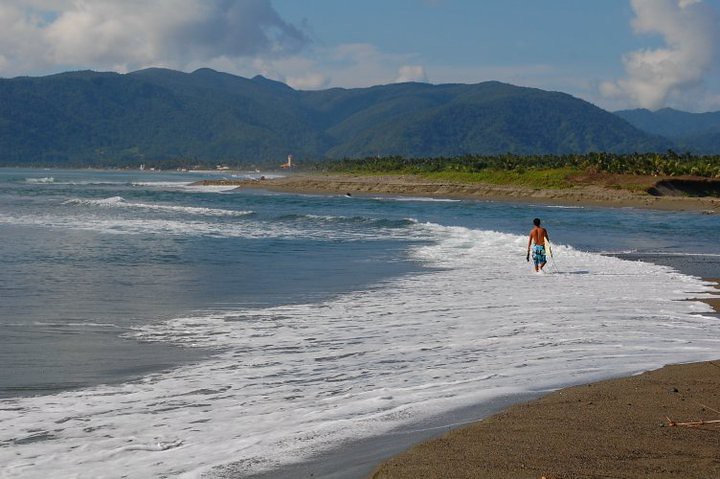
Named after the famous scene in Apocalypse Now, this spot carries historical weight among Filipino surfers. The wave itself is more about nostalgia than technical challenge, though it can still deliver fun rides when conditions align.
Most visitors combine a session here with exploring the wider Baler area, which has become a weekend escape for Manila residents looking to trade city noise for ocean sounds.
Cemento Reef, Baler
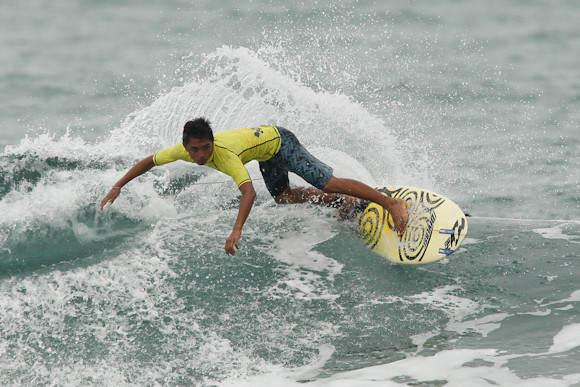
Also known as Cobra Reef, this fast-breaking wave over shallow reef is where experienced surfers head when Sabang feels too mellow. The wave produces glassy walls and the occasional barrel, but the coral bottom demands respect and confidence.
Locals recommend it for those who have already logged plenty of hours in the water and can handle the increased intensity.
Bagasbas Beach, Daet
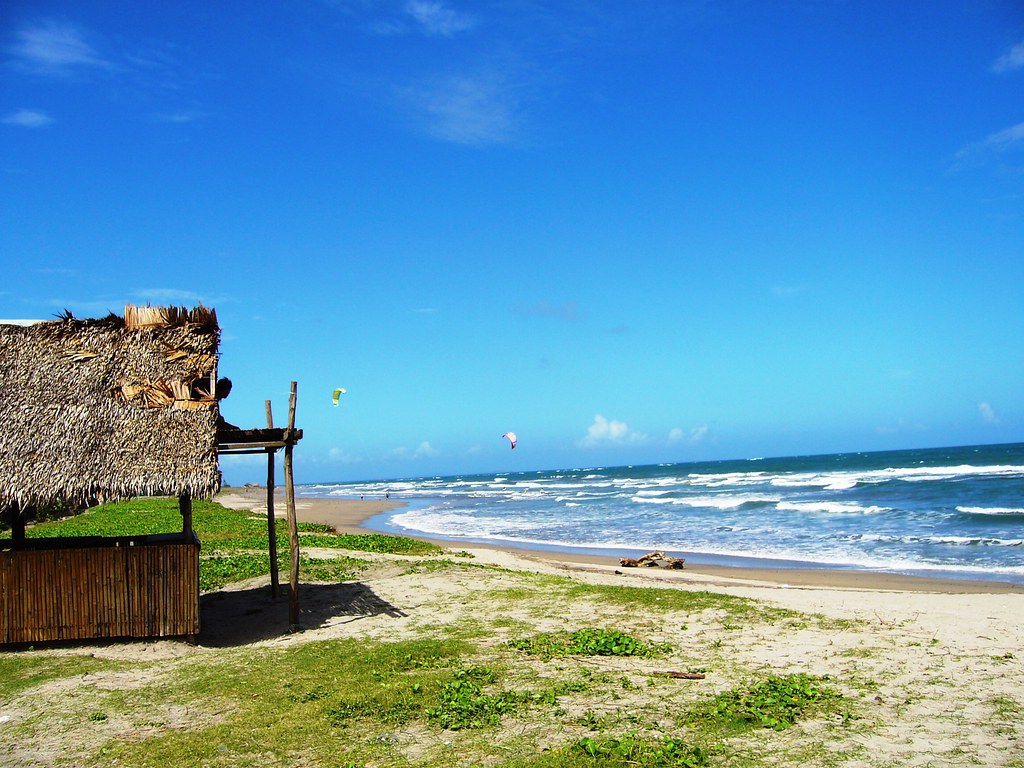
This spot in Camarines Norte holds the distinction of being one of the earliest recorded surfing destinations in the country, and some consider it the 61st best surf break globally. The mile-long stretch of gray sand faces the Pacific directly, catching consistent swells year-round.
Because the waves break over sand rather than reef, wipeouts here are far less punishing, making it ideal for surfers still building their skills.
Pagudpud, Ilocos Norte
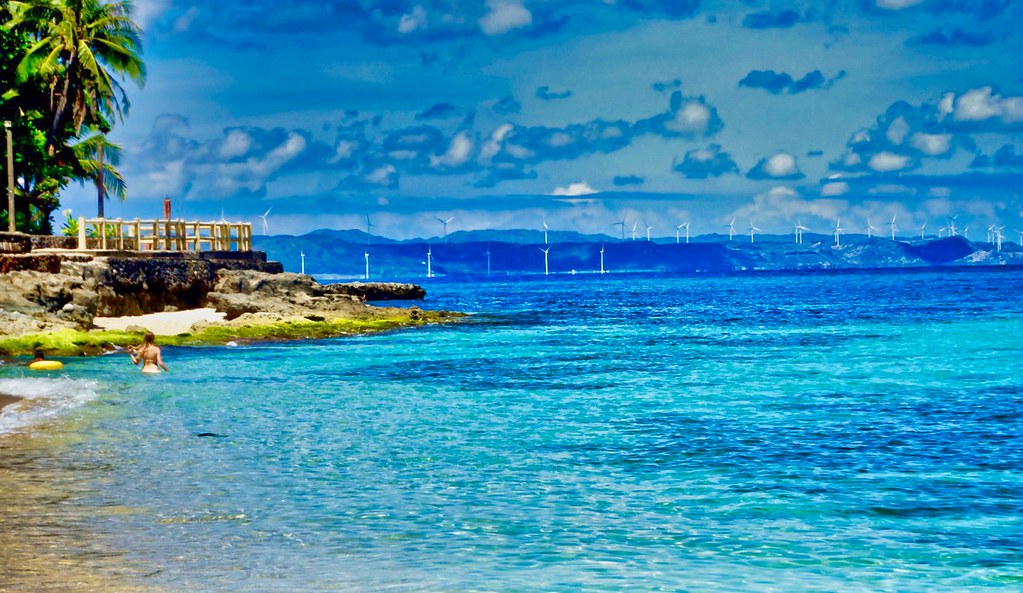
Getting to the northernmost tip of Luzon takes some commitment, but the reward is uncrowded lineups and crystal-clear water at Blue Lagoon. The beach breaks here peel both left and right, offering options for regular and goofy-footed riders alike.
Fewer surfers make the journey compared to La Union or Siargao, so those who do often find themselves sharing waves with just a handful of others.
Zambales
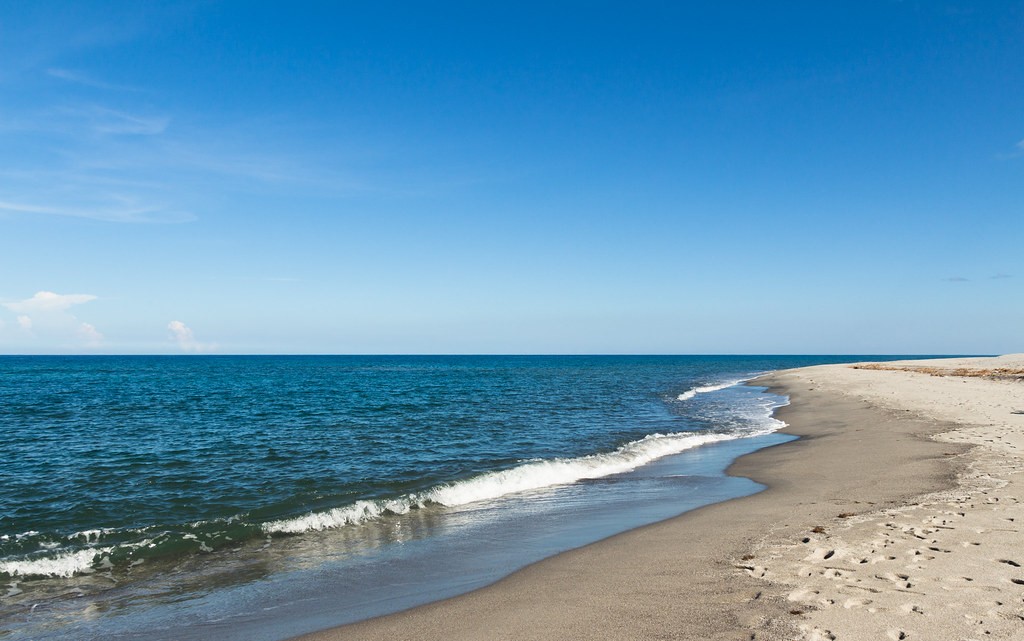
The province’s proximity to Manila has turned towns like San Felipe, San Antonio, and San Narciso into popular weekend surf escapes. Crystal Beach and Liwliwa attract city dwellers looking to catch their first waves or simply enjoy the relaxed coastal atmosphere.
The surf scene here is as much about community bonfires, acoustic jam sessions, and fresh seafood as it is about the waves themselves.
Real, Quezon
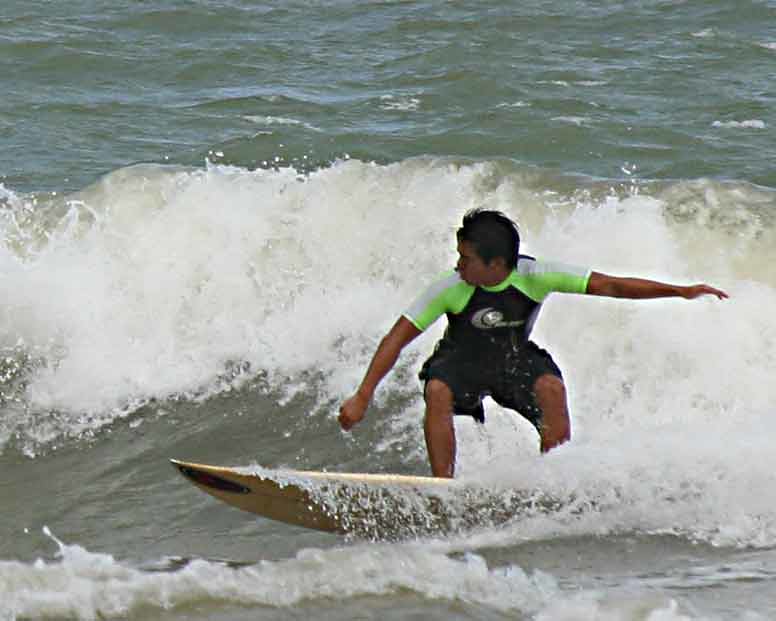
Locals call it pasaripoy, meaning to ride or surf with waves, and this coastal town about three hours from Manila has been steadily gaining recognition. The famous Barracuda break delivers powerful surf for those seeking a challenge, while the overall area remains budget-friendly and unpretentious.
Several surf camps now dot the shoreline, offering tent accommodations and board rentals at prices that appeal to backpackers and students.
Calicoan Island, Eastern Samar
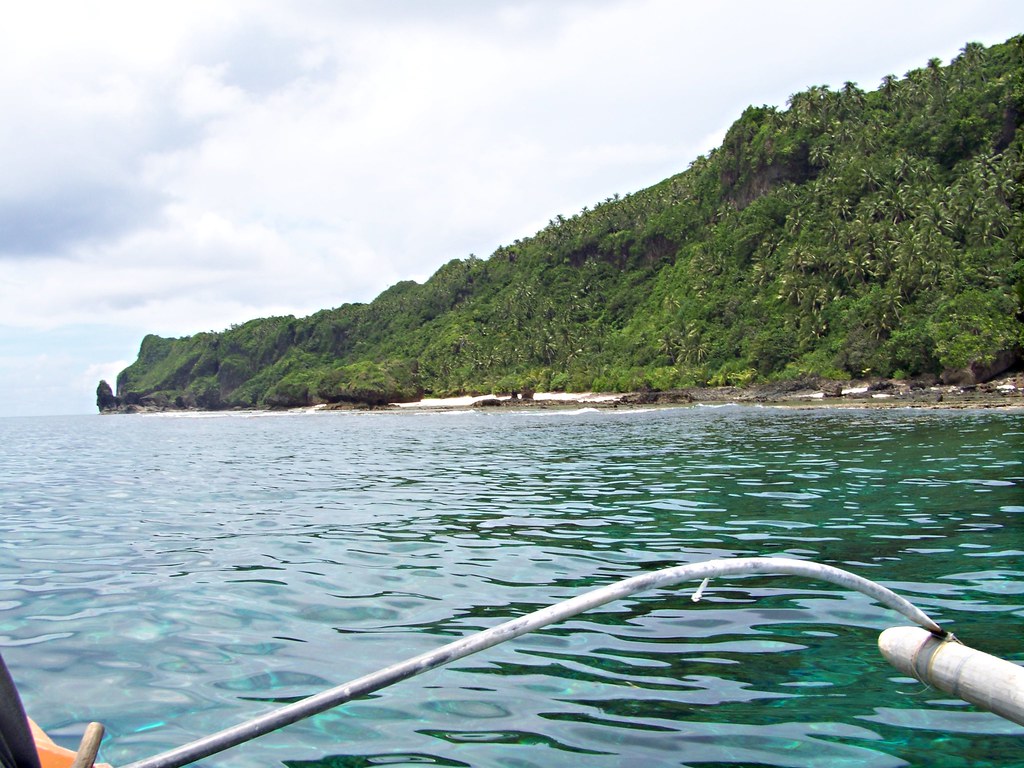
Dubbed the Surfing Capital of the Visayas, this island sits directly in the path of Pacific swells and produces waves that stand apart from other Philippine breaks. ABCD Beach, named after a World War II military depot, offers left-hand reef breaks that experienced surfers dream about riding.
The island hosts annual surfing competitions that draw competitors from across the country, and the relatively remote location keeps crowds manageable.
Baybay Boulevard, Borongan
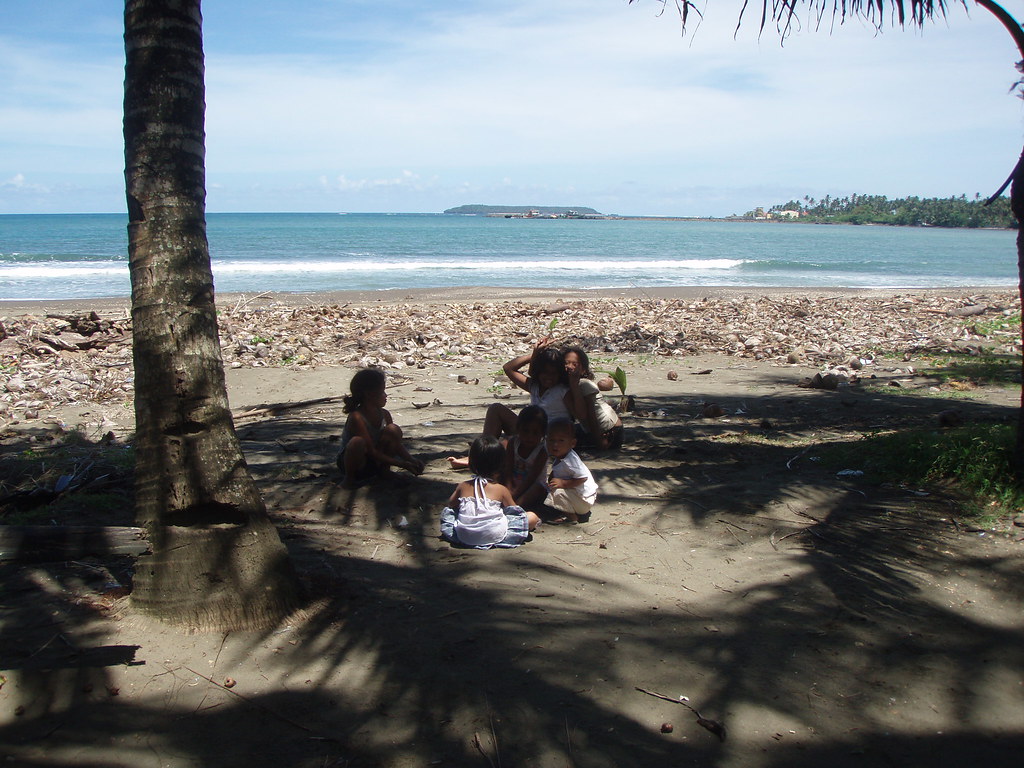
Right in the heart of Borongan City, this 1.5-kilometer (0.9-mile) coastline claims the title of birthplace of surfing in the Visayas region. The beach break works for all experience levels, from first-timers to seasoned shortboarders, and the setting is unique because you can literally walk from downtown straight into the lineup.
The city has hosted legs of the Philippine National Surfing Championship, attracting top riders from Siargao, La Union, and Baler.
Lanuza, Surigao del Sur
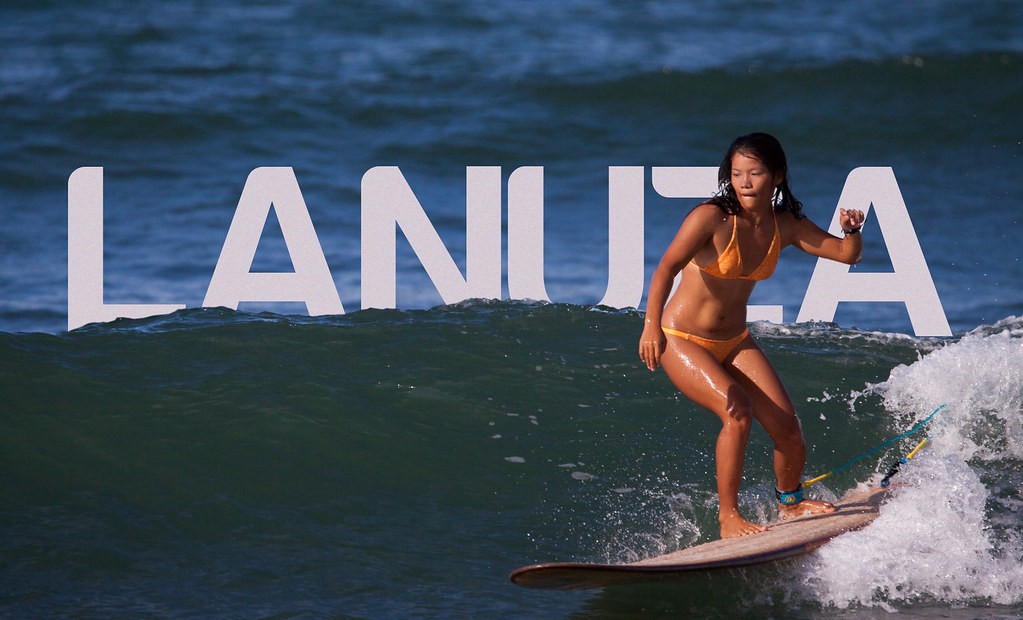
This small municipality south of Siargao offers reef breaks and beach breaks without the crowds that have come to define its more famous neighbor. The annual Lanuza Surfing Festival in November brings the area to life with competitions and cultural events, but outside that window, the pace stays wonderfully slow.
Doot Poktoy delivers long right-hand waves perfect for longboarding, while the rivermouth can produce barrels when conditions cooperate.
Dahican Beach, Mati
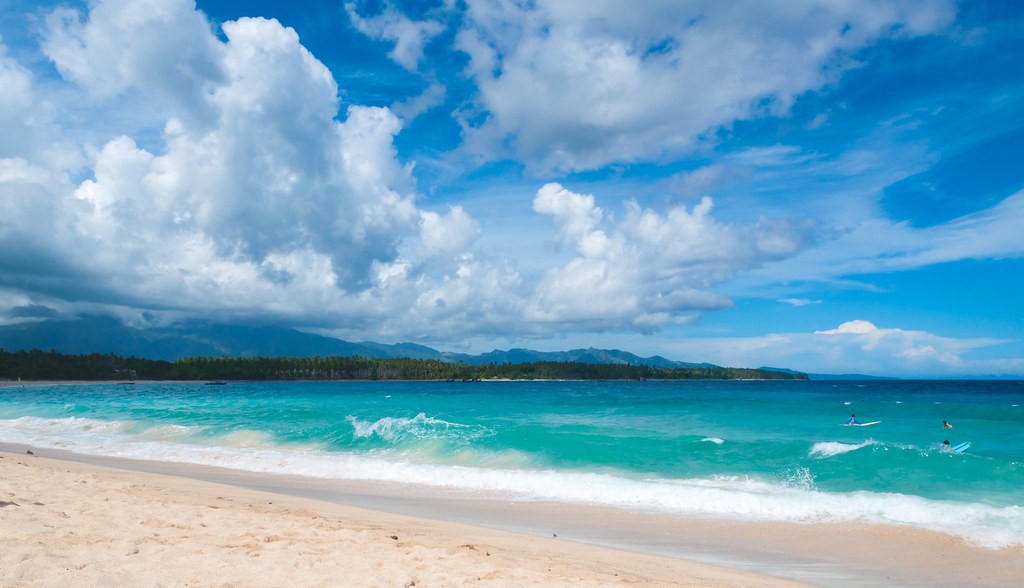
Stretching 4.3 miles along the coast of Davao Oriental, this crescent-shaped beach draws surfers and skimboarders to its powerful waves and fine white sand. The local Amihan Surf and Skim Team has built a welcoming community that offers lessons and gear rentals at reasonable rates.
Beyond the waves, Dahican serves as a sanctuary for sea turtles, so nighttime visitors might witness pawikans coming ashore to nest.
El Nido, Palawan
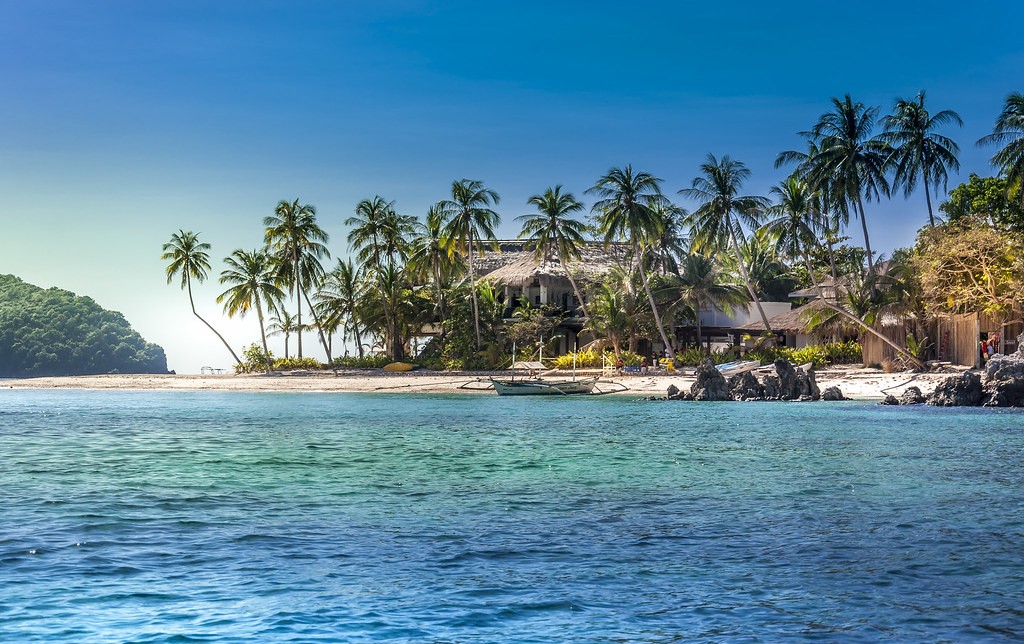
Most travelers know El Nido for its limestone cliffs and island-hopping tours, but surfers in the know have discovered rideable waves along its coastline. The breaks here work best from November to May when conditions come together, and the stunning scenery provides a backdrop unlike any other surf spot in the country.
It remains a lesser-known option, which suits those looking to combine adventure sports with one of the most photogenic destinations in Southeast Asia.
Siargao’s other breaks
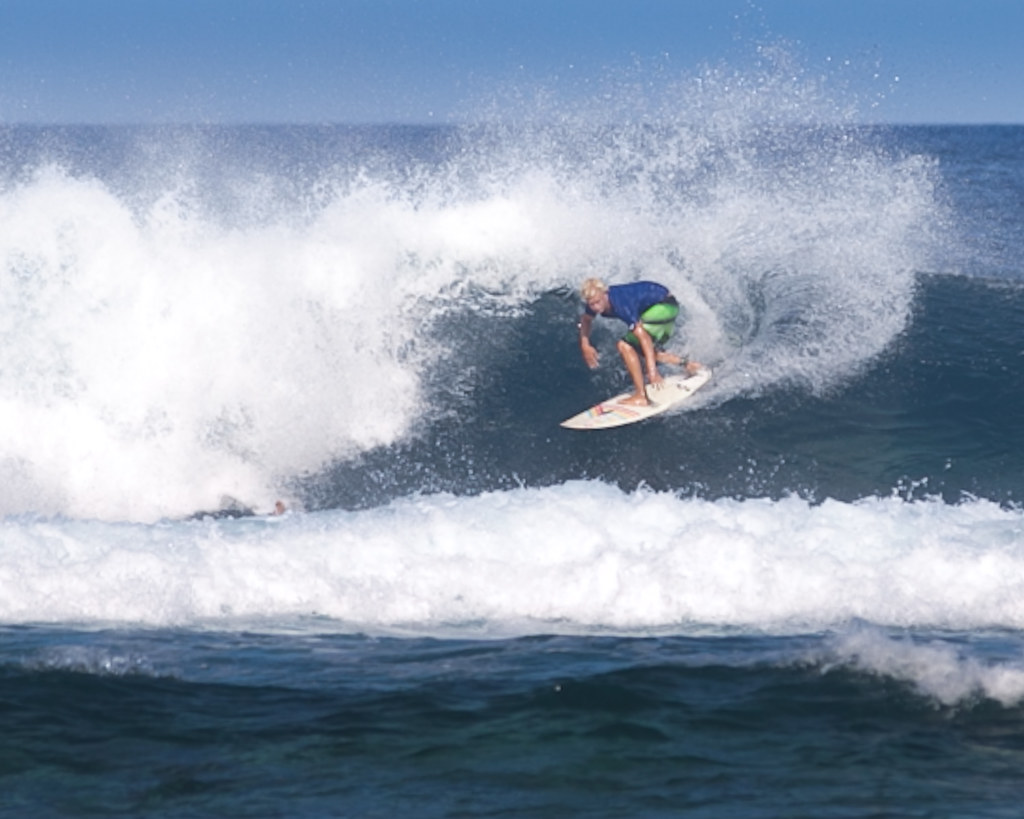
While Cloud 9 dominates headlines, the island presents quieter options for travelers wanting contrast. Not far away, Jacking Horse and Guiuan provide gentle surf – ideal for learners avoiding packed zones near the famous peak. Adjacent to Cloud 9, Quiksilver brings sharper speed on the right-hand side, suited for advancing riders testing new limits.
Shifting focus elsewhere uncovers layers beneath Siargao’s most celebrated wave.
Where the swell meets the shore
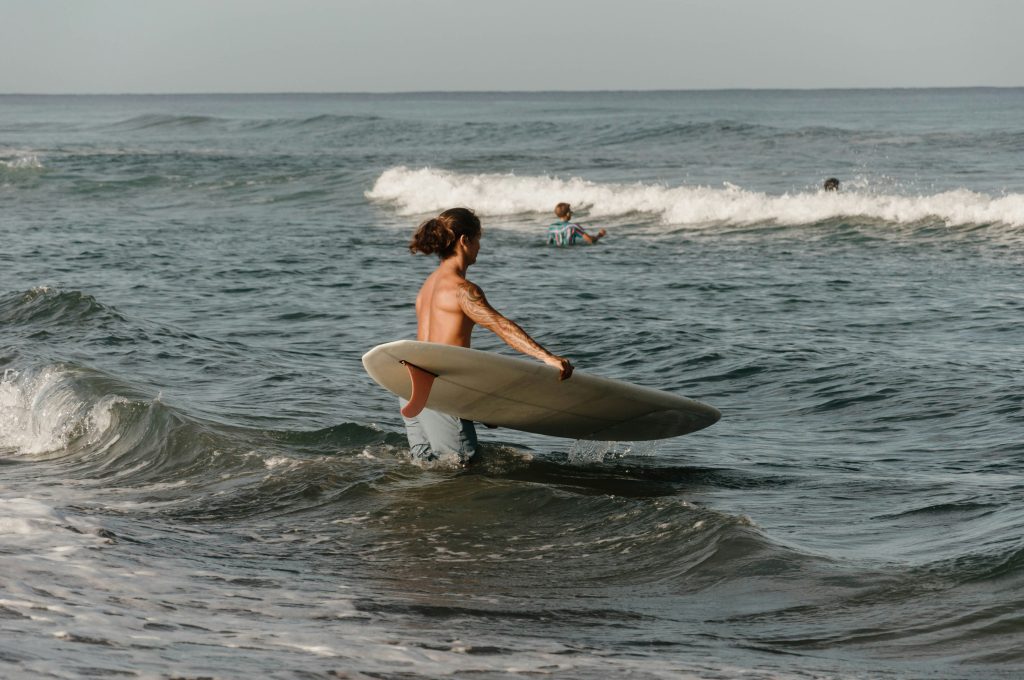
Warm seas greet those who travel far. Across countless islands, diverse coastlines offer unique rhythms for riding waves.
A quiet rise brought attention once absent. Friendly shores meet every arrival without pretense.
Some seek sharp turns above reefs in Siargao. Others find ease along soft sands where beginners learn.
Few places blend such contrast so naturally. Time spent here lingers beyond sunburns and salt crust. The draw grows quietly, not through noise but presence.
More from Travel Pug

- Underrated Italian Towns That Beat the Tourist Crowds
- Las Vegas Tourist Traps to Skip
- Prettiest Towns in Every US State
- 18 passport-free countries for Americans
- Signs Your Cruise Is Not Worth The Cost
Like Travel Pug’s content? Follow us on MSN.