

A cruise ship is a small floating town with its own rules, its own security team and a captain who can put a passenger ashore at the next port. Most of those rules sit in a guest conduct policy that almost nobody reads before boarding.
The rules exist for reasons that become obvious only after something goes wrong. Fire spreads quickly at sea, help is far away and thousands of people share the same air, water and railings, which is why a handful of behaviors that seem harmless on land are taken very seriously aboard.
Climbing On Balcony Railings
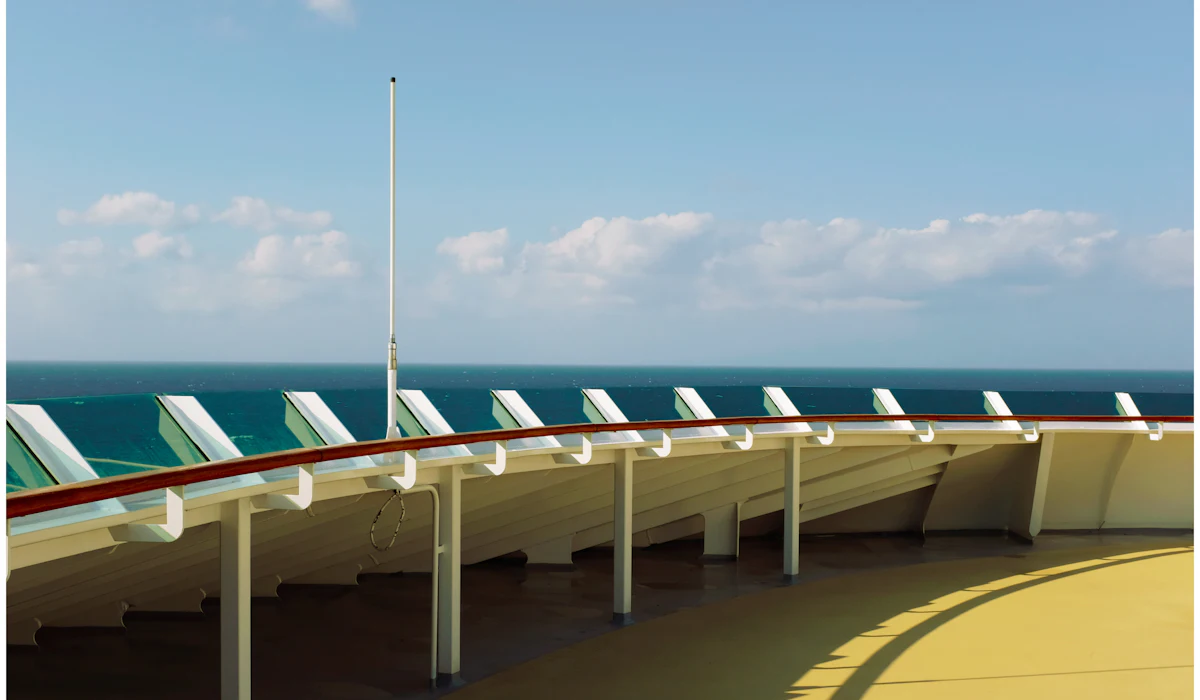
Royal Caribbean’s guest conduct policy forbids sitting, standing, lying or climbing on any railing or protective barrier, and other major lines have similar restrictions. Cruise lines have removed and banned passengers for dangerous balcony behavior, including attempts to climb or stand on railings.
Cameras along the hull and reports from other passengers can make such stunts easy to document. Falls from a cruise ship can be fatal, and no photo justifies that risk or the ban that can follow.
Missing The All Aboard Time
Ships publish an all aboard time for each port call, and they leave on schedule after the required departure procedures are completed regardless of who is missing. Passengers on independent tours who return late can watch the ship sail away from the pier.
They then may have to arrange and pay for their own transportation to the next port, along with hotels and other expenses. Passport and entry requirements can also become an issue if they need to fly to rejoin the ship.
Cruise-line-sponsored excursions generally receive different assistance from the ship than independent tours, but passengers should not treat any excursion as permission to ignore the all-aboard time. Regulars return well before the deadline and treat it as absolute.
Packing A Clothes Iron
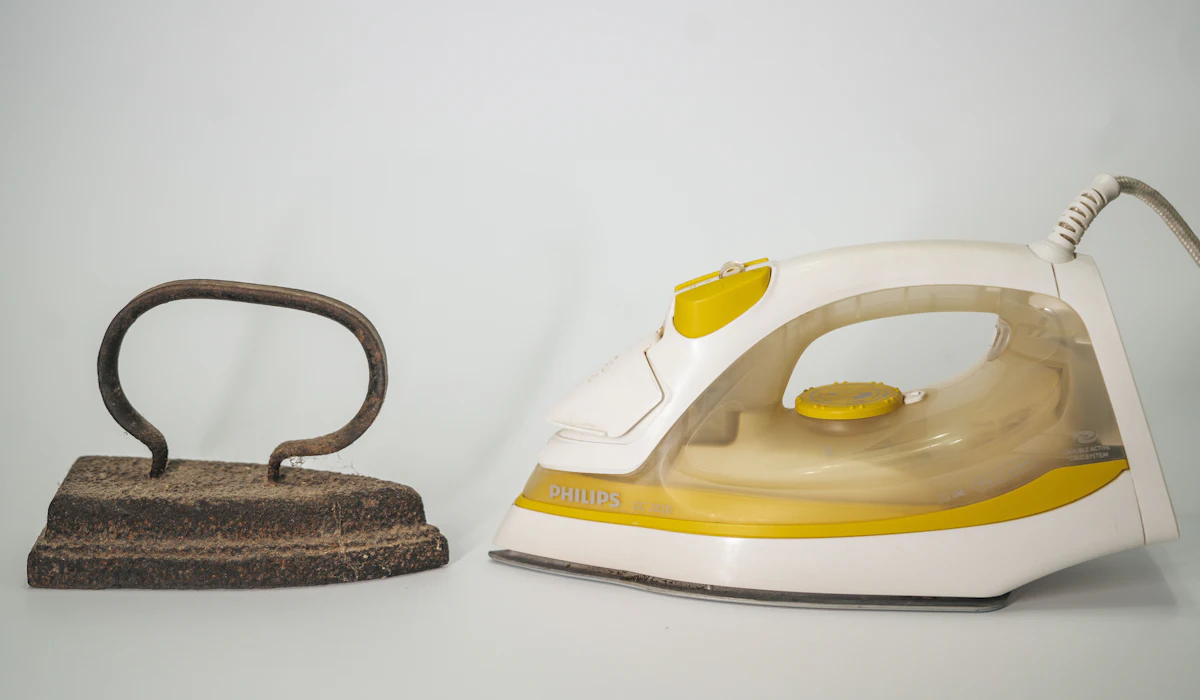
Clothes irons are banned on many major cruise lines because a hot plate left face down in a small cabin is a serious fire risk. Some lines also prohibit garment steamers, while others have different rules.
Security scanners may identify prohibited appliances during screening, and the line may hold them until the end of the voyage or otherwise dispose of them according to its policy. Most lines offer pressing services, and some ships, including certain Carnival and Princess vessels, have self-service launderettes with irons available for passenger use.
Regulars pack wrinkle-resistant clothing or hang garments in the bathroom during a hot shower to relax the creases.
Bringing Candles Or Incense

Open flames are forbidden in cabins on major cruise lines, and candles, incense, oil burners and anything else that needs a match are commonly prohibited. A fire at sea is among the most dangerous emergencies a ship can face, with limited outside assistance available and thousands of people aboard.
The 2006 fire on Star Princess, which was traced to a cigarette igniting material on a balcony and caused one passenger death, highlighted the seriousness of balcony fire hazards. Battery-powered candles are a safer alternative and are generally permitted where the cruise line allows them.
Passengers who want ambience rely on LED lights instead.
Plugging In Surge Protectors
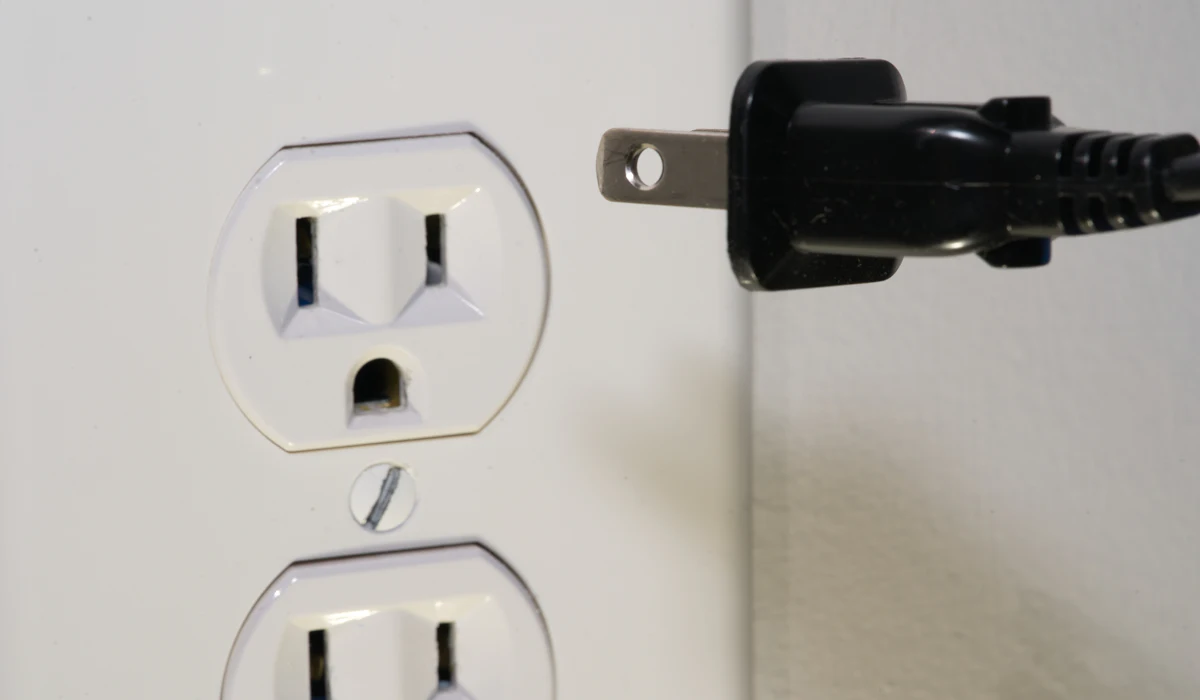
Surge protectors are on the prohibited-items lists of Royal Caribbean, Carnival and several other lines, primarily because of fire and electrical-safety concerns. Security staff may remove prohibited electrical devices from luggage and hold them according to the line’s policy.
Whether a plain power strip is permitted also varies by cruise line, so passengers should check the current prohibited-items list rather than assume every non-surge strip is acceptable. USB charging devices that meet the line’s requirements are generally more useful in cabins with limited outlets.
Checking the line’s current list of banned items takes a few minutes and avoids losing a necessary charger.
Throwing Anything Overboard
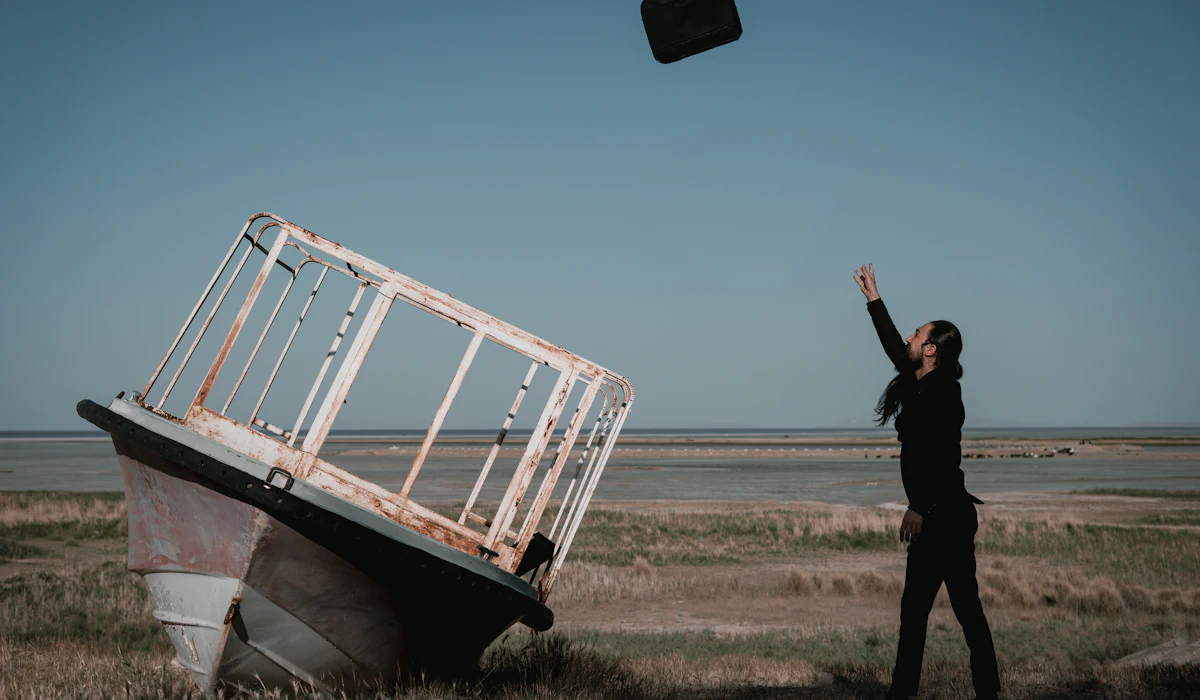
Throwing objects or waste overboard is prohibited by cruise-line policies, and under the international MARPOL convention the discharge of plastics into the sea is prohibited. Cruise lines can take disciplinary action against passengers who toss items off a balcony.
Objects falling past lower decks can also be mistaken for a person going over, potentially triggering man-overboard procedures and searches. Even a napkin or plastic cup can be carried away by the wind.
Regulars keep everything inside the cabin or drop it in the bins provided on deck.
Skipping The Muster Check-In
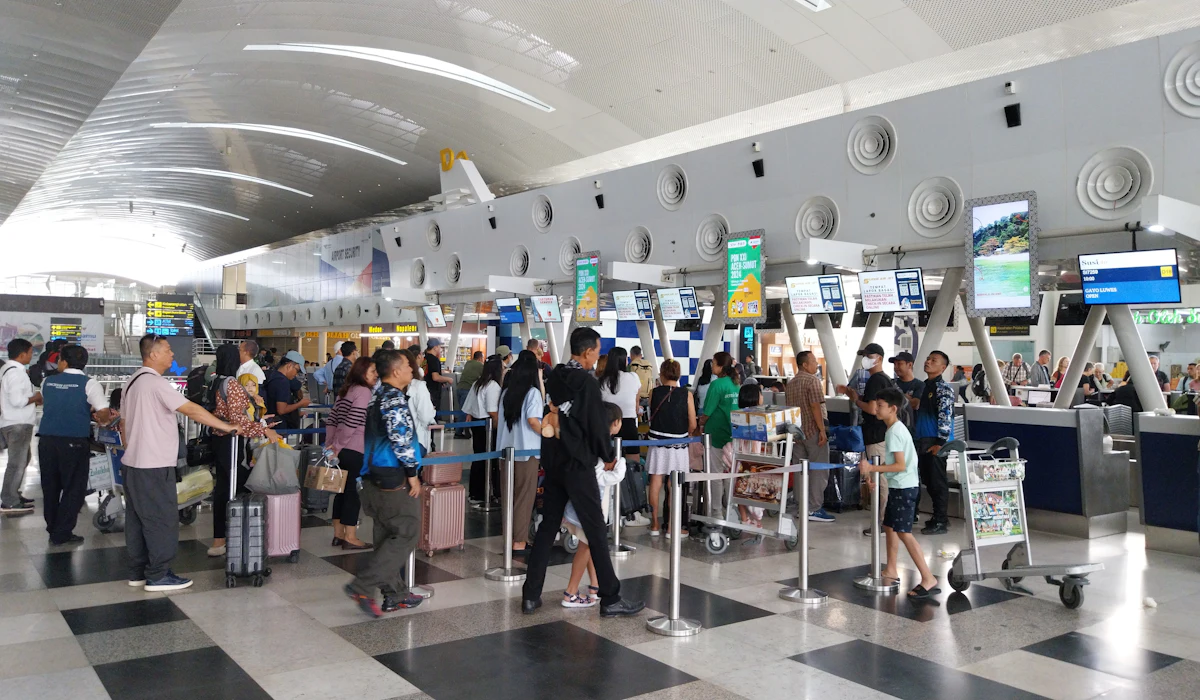
Every passenger must participate in the required passenger muster process before or upon departure, under the international SOLAS framework. Most lines now use electronic or streamlined muster procedures, with a safety video in the app or elsewhere followed by a check-in at the assigned assembly station.
Passengers who skip it are tracked down by name, and lines warn that guests who refuse to complete required safety procedures may face disciplinary action, including removal from the voyage. The exact process and time required vary by line and ship.
Knowing where to go and how to put on a life jacket matters far more in a real emergency than anyone hopes to discover.
Hogging Pool Loungers With Towels
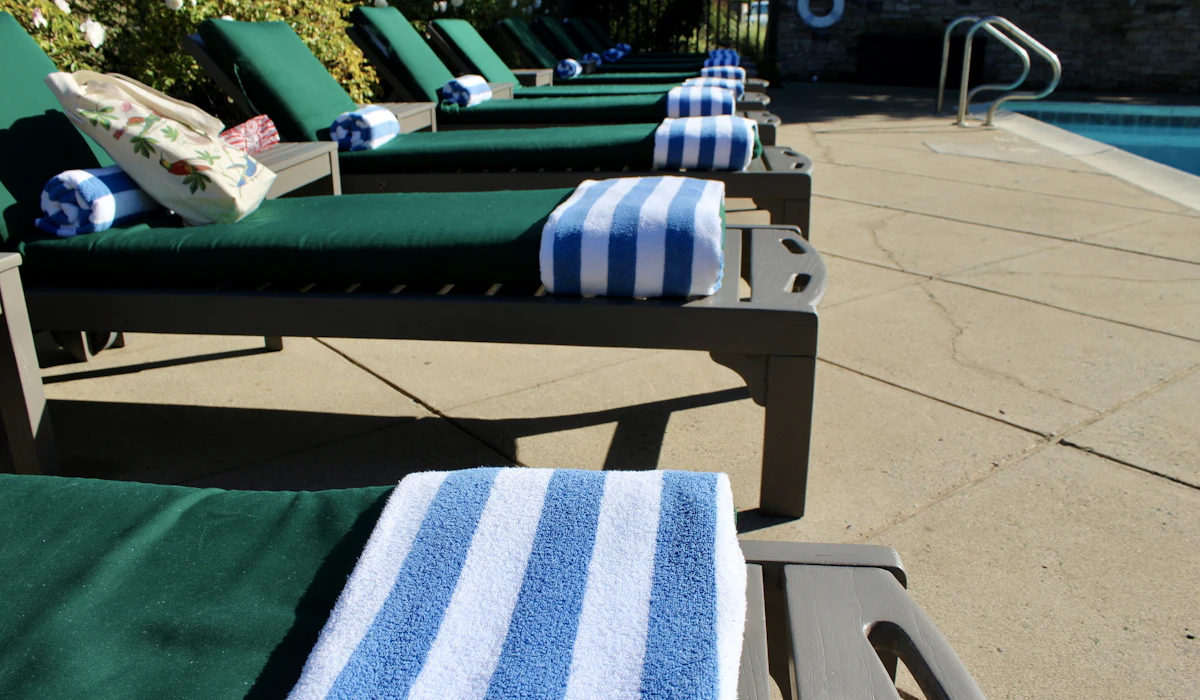
Leaving a towel and a paperback on a lounger at seven in the morning and returning at noon is one of the most resented habits at sea. Many lines now have formal policies, with crew removing items from unattended chairs after a specified period and holding them at the towel station.
On crowded sea days, held loungers can outnumber people using them. Regulars claim a chair only when they intend to sit in it.
Passengers who head to lunch take their belongings along, which leaves room for others and avoids losing a book to the towel desk.
Smuggling Liquor In Disguised Bottles

Most lines ban passengers from bringing hard liquor or other prohibited alcoholic beverages aboard, and security screening can detect liquor hidden in mouthwash bottles, water bottles and plastic flasks. Confiscated items may be held, discarded or otherwise handled according to the line’s policy.
Repeat attempts can lead to additional disciplinary action, and some lines reserve the right to inspect luggage. Wine and beer allowances vary, and the rules are spelled out on each line’s website.
Regulars who want a drink in the cabin follow the permitted beverage allowance or purchase drinks onboard.
Being Rude To Crew Members

Crew members on major lines typically work contracts of several months, often with demanding schedules and long periods away from home. Rudeness toward a waiter, bartender or cabin attendant, especially over issues outside their control, is unfair and widely noticed.
Guest conduct policies also allow lines to remove passengers who abuse staff. Regulars know that courtesy usually earns better service, and that remembering a name goes a long way.
Ignoring The Dining Room Dress Code

Main dining rooms on many lines ask passengers to avoid swimwear and beachwear at dinner, while dressier evenings or specialty restaurants may have additional requirements. Dress codes have relaxed considerably in recent years, but they still apply.
Passengers arriving in beachwear may be asked to change or use another dining venue. Specialty restaurants sometimes set stricter standards.
Regulars pack at least one smart outfit and check the daily planner, which lists the evening dress theme. A neat outfit that meets the specific ship’s posted requirements solves almost every situation.
Leaving The Balcony Door Open
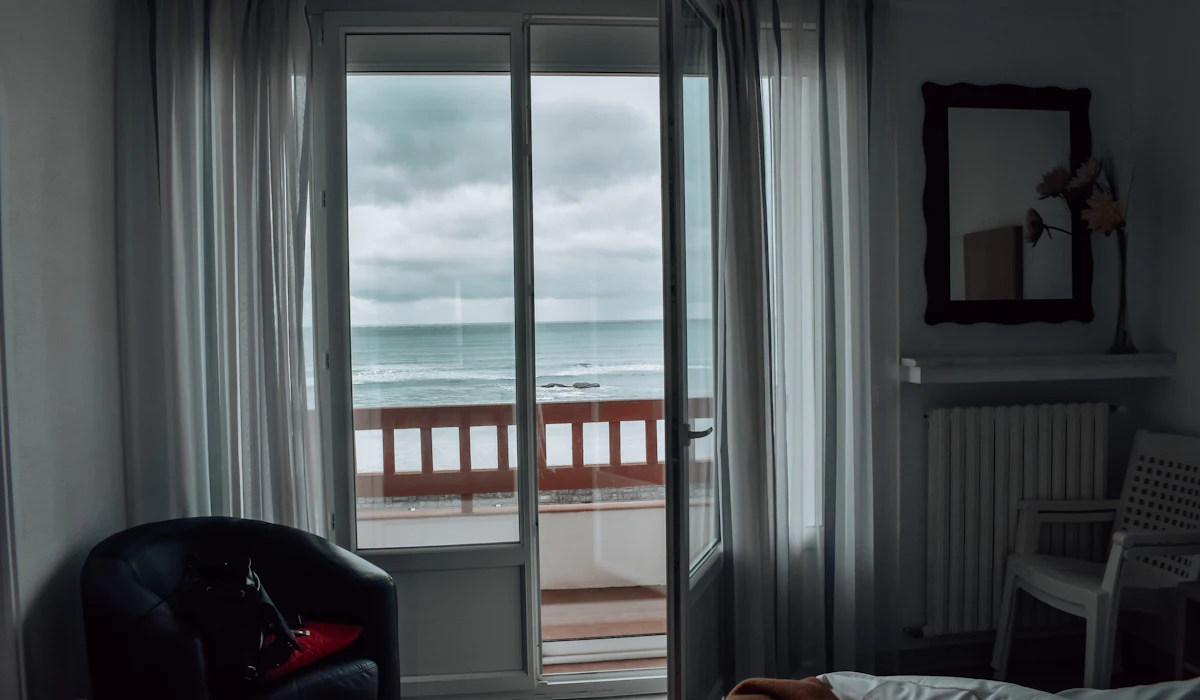
On many ships, the cabin air conditioning is affected when the balcony door is left open, so a cabin left open all afternoon can become hot and humid. Moisture can also cause condensation on walls and furniture.
Open balcony doors can also create uncomfortable drafts and pressure changes, depending on the ship’s design, and wind or spray can blow inside. Regulars close the door when leaving the cabin and open it when they want fresh air.
Flushing Anything But Toilet Paper
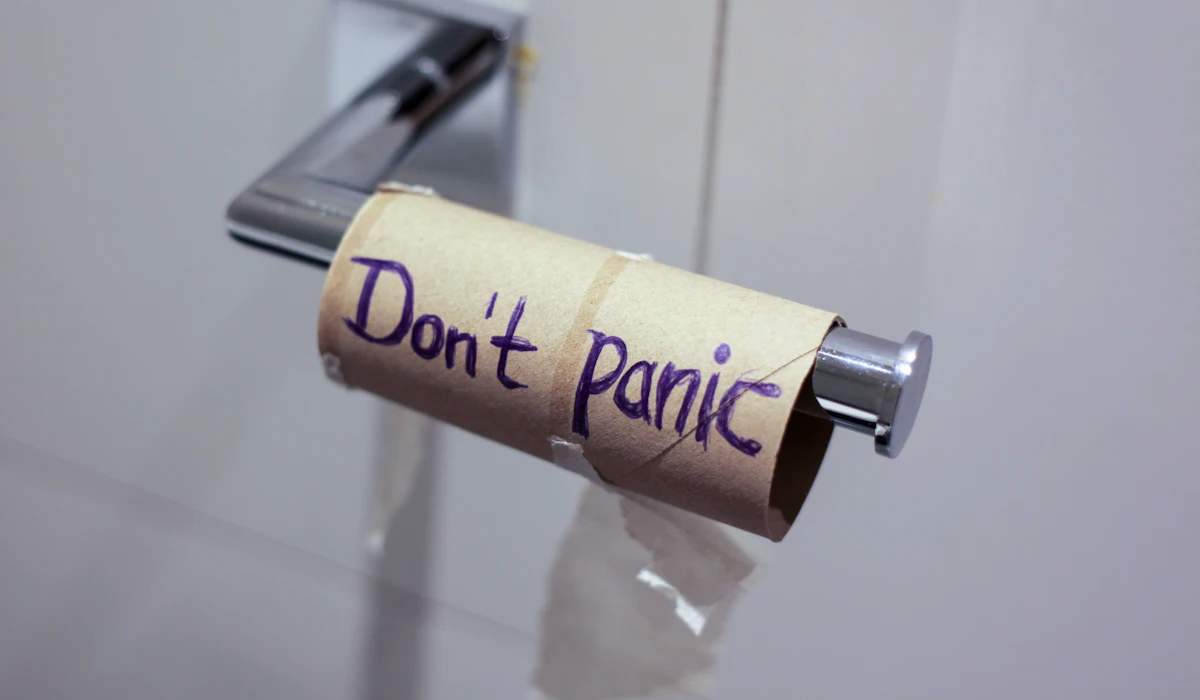
Toilets on cruise ships use vacuum systems, the same basic design found on airplanes, and they clog easily when anything other than toilet paper goes down. Wipes, paper towels, cotton pads, sanitary products and even thick facial tissues can block a line that serves several cabins at once.
When that happens, toilets along an entire stretch of corridor may stop working until plumbers clear the pipe, which can take hours. Signs in cabin bathrooms spell out the rule, and some lines charge for damage caused by misuse.
Regulars use the small bin provided for everything else, however tempting a quick flush may be.
Flying A Drone

Most major cruise lines prohibit passengers from operating drones from the ship, citing passenger safety, privacy and other operational concerns. Carnival, Royal Caribbean and Norwegian all restrict drone use aboard their ships, although the exact storage and return procedures vary.
Once on land, local rules apply, and many ports, national parks and protected areas ban or tightly limit drone flights, often with fines. A drone dropping onto a crowded pool deck could injure several people at once.
Regulars who want aerial footage check both the line’s policy and each port’s regulations long before packing the equipment.
Bringing Marijuana Or CBD Products

Cruise ships sailing from U.S. ports follow federal law, under which marijuana remains a controlled substance regardless of state legalization. Major lines prohibit marijuana in every form, including edibles and vape cartridges, and many also prohibit CBD products, even when marketed as hemp-derived.
Cruise-line security procedures can identify prohibited substances, and passengers can face denial of boarding, removal from the ship or referral to authorities depending on the circumstances and jurisdiction. Many Caribbean and Mexican ports also enforce strict drug laws with stiff penalties for foreigners.
Passengers caught with prohibited products can be denied boarding, removed at the next port or referred to local authorities, which makes leaving these products at home the only sensible choice.
Leaving Kids Unsupervised At The Pool

Some cruise ships have lifeguards at certain pools, while others do not. Ship pools can be deeper than they look, and the motion of the vessel creates surprisingly strong waves that sweep across the water in rough seas.
Children have drowned in cruise ship pools, and several lines have introduced or expanded lifeguard coverage on some ships. Parents remain responsible for supervision even where staff are present.
Regulars keep young children within arm’s reach, bring a properly fitted life jacket when permitted and appropriate for the child and activity and never treat the pool deck as a babysitter.
Overdoing The Sun On Day One
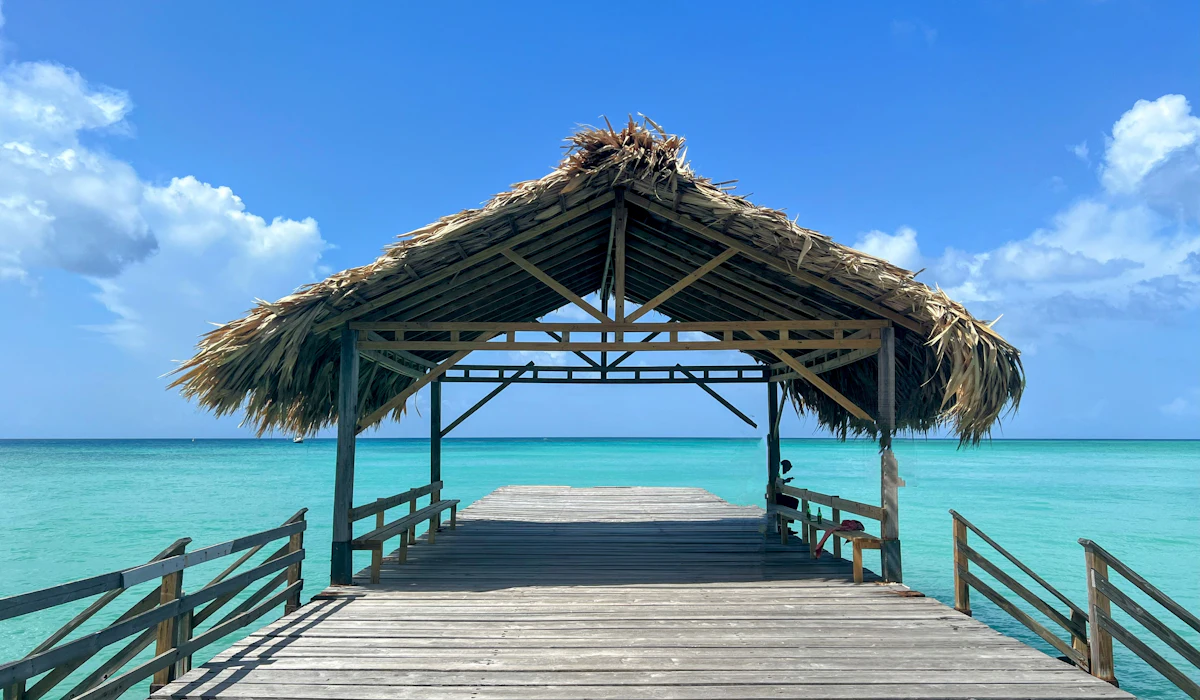
The sun in the Caribbean, Mexico and Hawaii can be intense, and reflection off the water and white decks adds to the exposure. A blistering burn on the first afternoon can make the rest of the voyage miserable, ruining beach days and snorkel tours that were paid for in advance.
Cloudy days still deliver plenty of ultraviolet light. Regulars apply a broad-spectrum sunscreen with an appropriate SPF before heading outside, reapply after swimming, wear a hat and retreat to shade around midday.
Drinking water steadily also helps reduce the risk of dehydration and heat-related illness, which can arrive alongside a bad burn.
Drinking To Excess

Alcohol is everywhere on a cruise ship, and a drink package can make it feel free, so some passengers drink far more than they would at home. Heavy drinking can contribute to falls, fights and overboard incidents, and it can worsen seasickness or dehydration.
Norwegian’s beverage package has a 15-alcoholic-drink daily limit under its current policy, and bartenders can refuse service to passengers who appear intoxicated. Guests who become disruptive can be confined to their cabins, disembarked at the next port or banned from future sailings.
Regulars pace themselves and alternate cocktails with water.
Wearing Reef-Harming Sunscreen
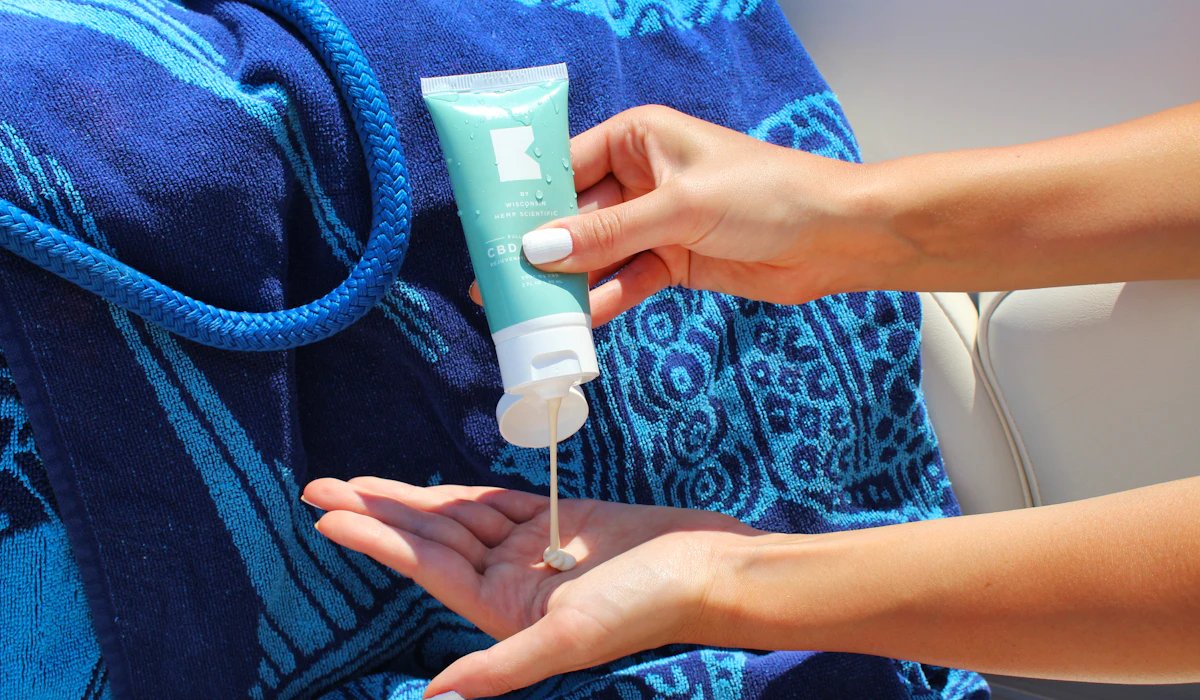
Some common sunscreen ingredients, notably oxybenzone and octinoxate, have been subject to restrictions in certain destinations because of concerns about coral reefs and marine ecosystems. Hawaii banned the sale of sunscreens containing both chemicals beginning January 1, 2021, and other destinations have adopted their own rules or recommendations.
Some snorkel operators ask guests to use only mineral formulas based on zinc oxide or titanium dioxide. Passengers who snorkel over reefs should check the current rules for each destination and excursion.
Regulars check labels before packing and often choose mineral sunscreen for water-based excursions.
Booking An Early Flight Home

Debarkation morning can take longer than planned, especially when customs and immigration processing slows down in a busy port or the ship arrives late because of weather or fog. Passengers who book a flight with too little time after the scheduled arrival risk watching the departure board from a taxi line.
Ports such as Miami, Fort Lauderdale and Galveston can see several ships unload at once, which crowds terminals, roads and airport security. Regulars book a flight with a generous buffer or stay an extra night near the port.
The added time also allows a relaxed breakfast aboard rather than a race down the gangway at dawn.
Wandering Into Crew-Only Areas
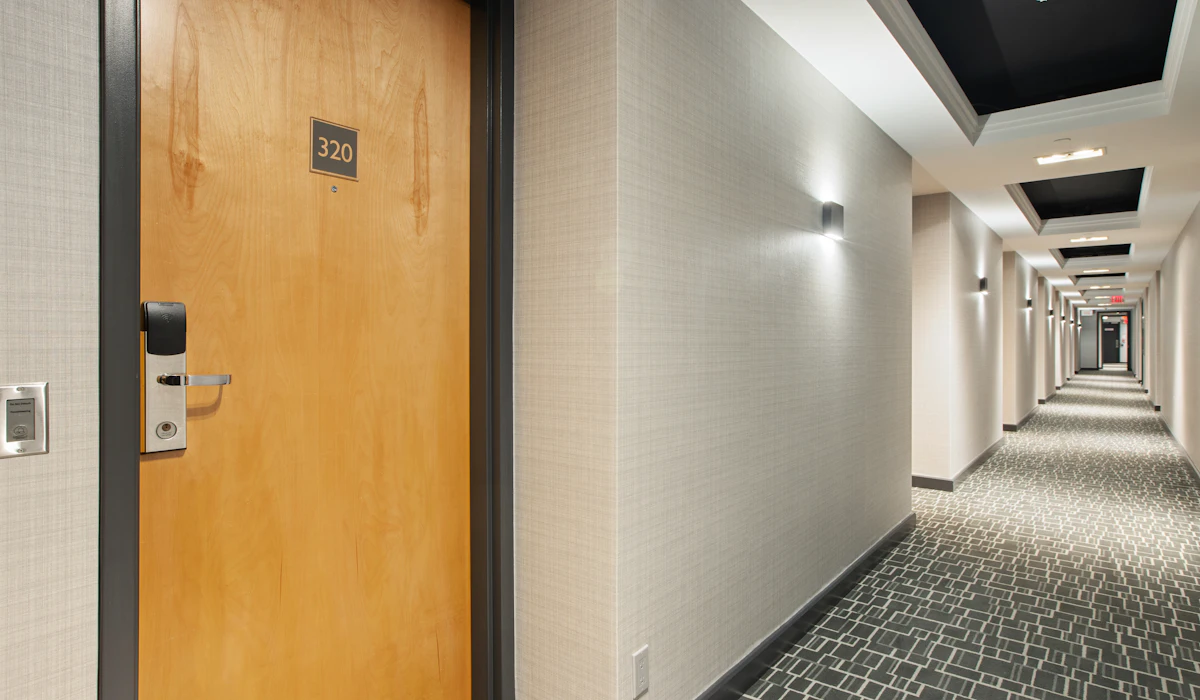
Doors marked crew only lead to working areas such as galleys, laundries, engine spaces, storerooms and crew cabins. They are off-limits to passengers for safety and security reasons, and the hazards behind them include moving equipment, heavy carts and slippery floors.
Passengers who slip through out of curiosity can receive a formal warning, lose privileges or be disembarked in serious cases. Crew members also value those spaces as working and private areas aboard.
Regulars who are curious book a behind-the-scenes ship tour, which many lines offer for a fee.
Making Noise In Corridors Late At Night

Cabin walls and doors on cruise ships are thinner than hotel walls, and sound carries easily along long corridors. Doors are heavy and close on springs, so letting one swing shut produces a bang that wakes the neighbors on both sides.
Loud conversations, laughter and music after the late show travel straight into cabins where passengers may be sleeping before an early excursion. Repeated complaints can lead to a visit from security.
Regulars ease doors closed by hand, keep voices low in the hallway and save the conversation for the cabin or a lounge.
Running On Wet Decks

Pool decks stay wet for much of the day, with water splashed from pools, dripping swimsuits and spilled drinks, and the surfaces can be slippery even when they look dry. Slips and falls can result in serious injuries, particularly around wet pool areas.
Children racing between the slides and the pool are especially at risk. Regulars walk on pool decks, wear sandals with grip and steer clear of puddles near the bars.
Signs around the pools repeat the rule for good reason.
Diving Into Shallow Pools
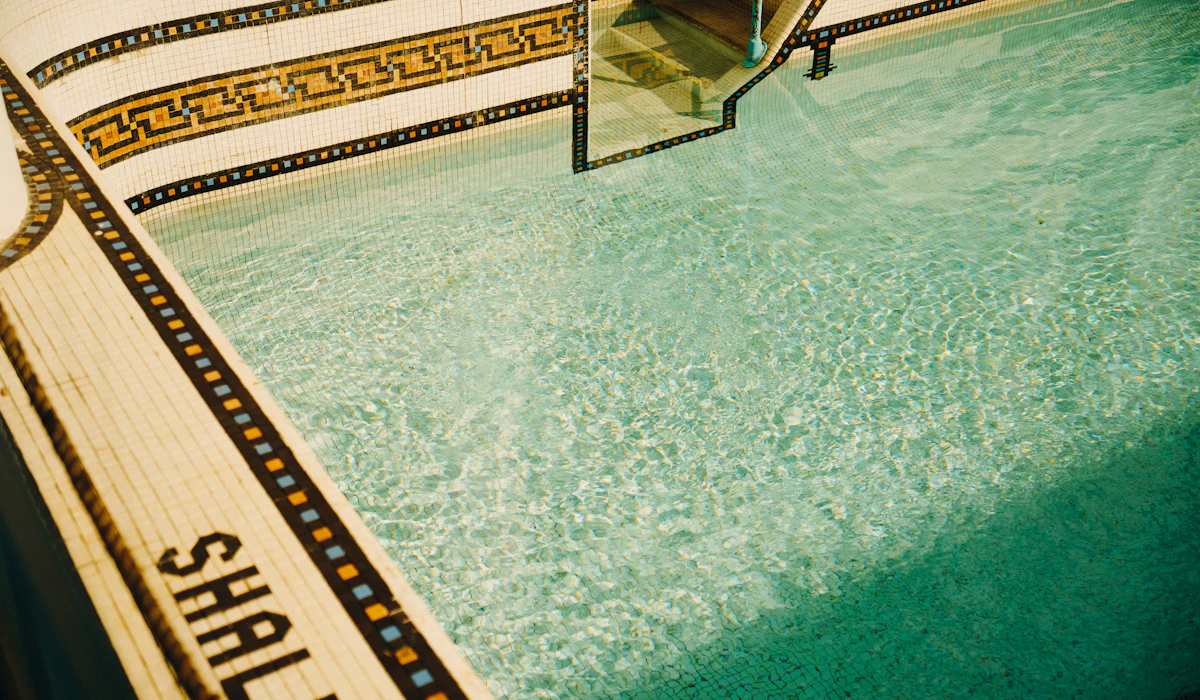
Cruise ship pools can be shallow, and diving may be prohibited by the posted rules. Signs near the pools say so where applicable.
Diving into shallow water can cause serious head or spinal injuries, and the shifting water level on a moving ship makes misjudging the depth even easier. Crew members will stop anyone attempting it where diving is prohibited, and repeated violations can lead to further action.
Regulars enter feet first, using the steps or ladder. Whirlpools and spas have their own depth and safety rules, which passengers should follow as posted.
Posting The Cruise Card Online
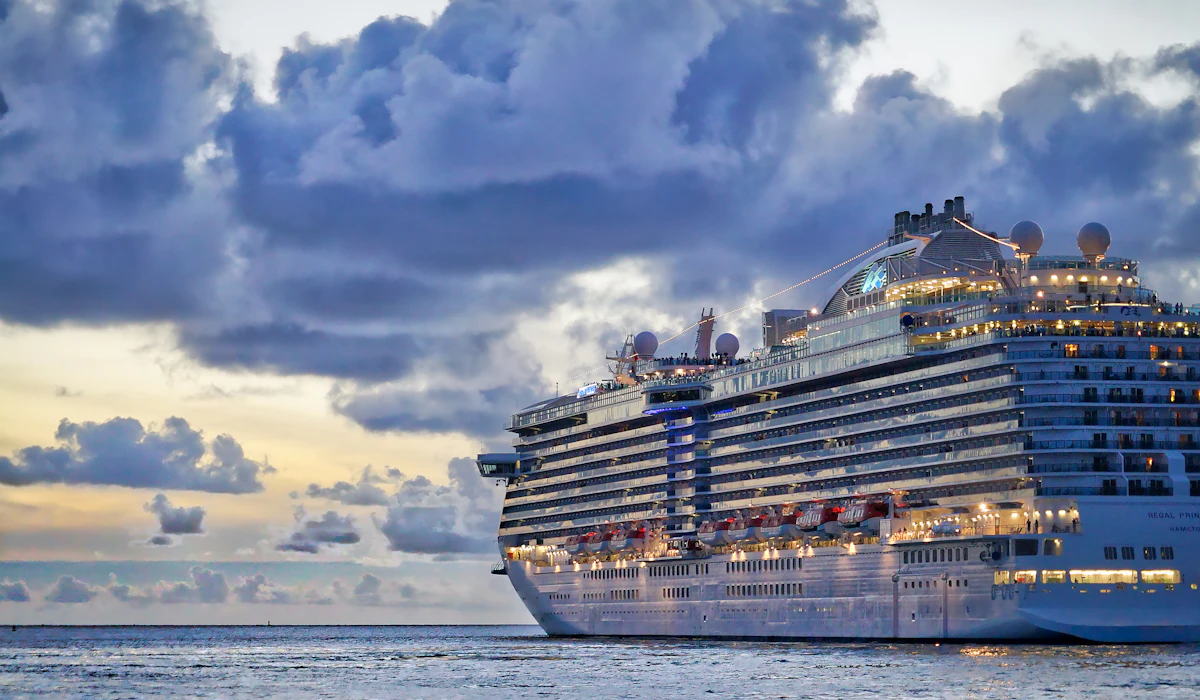
Boarding documents and cruise cards carry personal details, often including the passenger’s name, ship, cabin number, and sometimes a reservation number or barcode. Photos of them posted on social media can reveal personal or booking information that should not be public.
Excited first-timers frequently share boarding passes before the trip without thinking about it. Regulars crop or blur personal information before posting anything.
Many simply photograph the ship from the pier instead, which makes a far better picture and gives nothing away.
Going Ashore Without The Cruise Card
The cruise card or equivalent cruise credential serves as a room key, payment method, and boarding pass, and security scans it every time a passenger leaves or returns to the ship. Some ports or cruise lines also require government-issued photo identification for reboarding.
Passengers who leave either item behind can face delays at the gangway while security verifies their identity, a frustrating wait at the end of a hot day. Losing the card ashore creates a bigger problem, since it is linked to the onboard account.
Regulars check for their required cruise credential and identification before stepping off, often keeping them together in a zippered pocket or lanyard.
Fishing From The Balcony

Dropping a fishing line from a cabin balcony is prohibited on cruise ships, and passengers can face disciplinary action for doing so. Lines and hooks can tangle in lifeboats, snag equipment on lower decks or injure passengers on the balconies below.
Fishing from a moving ship can also create safety and environmental concerns. Local fishing laws may also apply once a vessel is in or near a particular jurisdiction.
Regulars who want to fish book a charter in port, where local captains know the water and hold the right permits.
Accepting Rides From Unlicensed Drivers
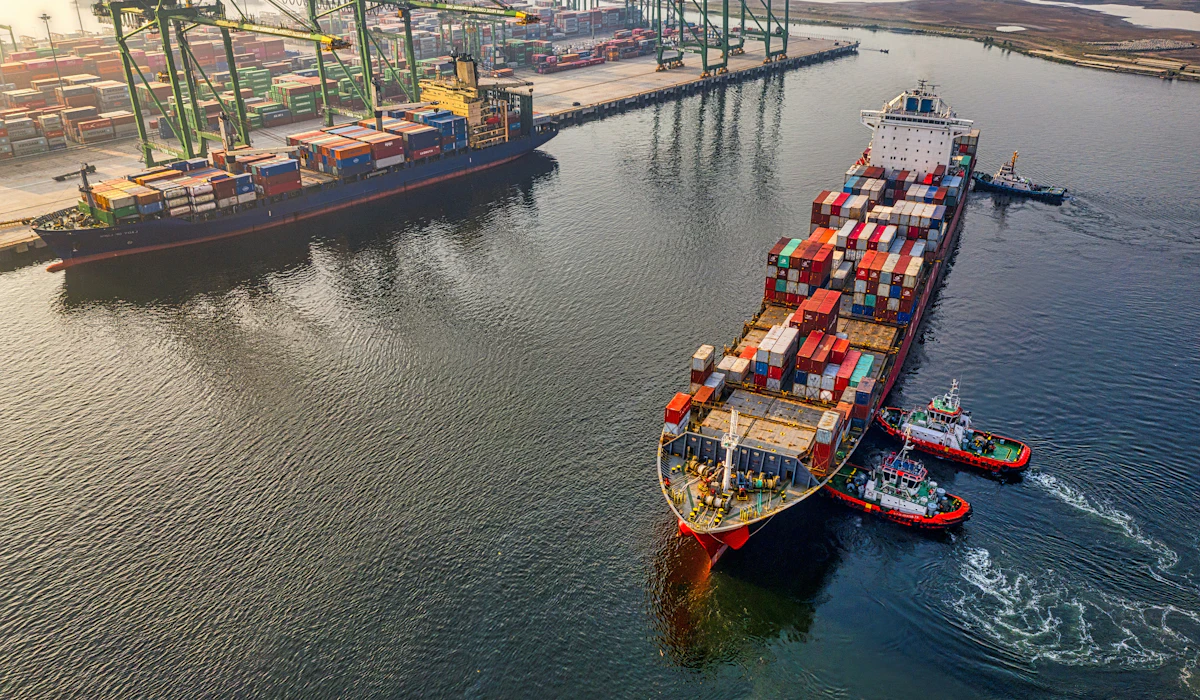
In many ports, unlicensed or unofficial drivers wait near the cruise terminal and approach passengers offering cheap rides or tours. These cars may carry no insurance, follow no set fares and offer little recourse if something goes wrong, from overcharging to unsafe driving.
Licensed taxis and established tour operators generally provide clearer identification and more accountability. Agreeing on the price before getting in avoids disputes later.
Regulars use official stands or operators with strong reviews, and they share the driver’s details with someone aboard when heading far from the pier.
Ships Run On Shared Rules
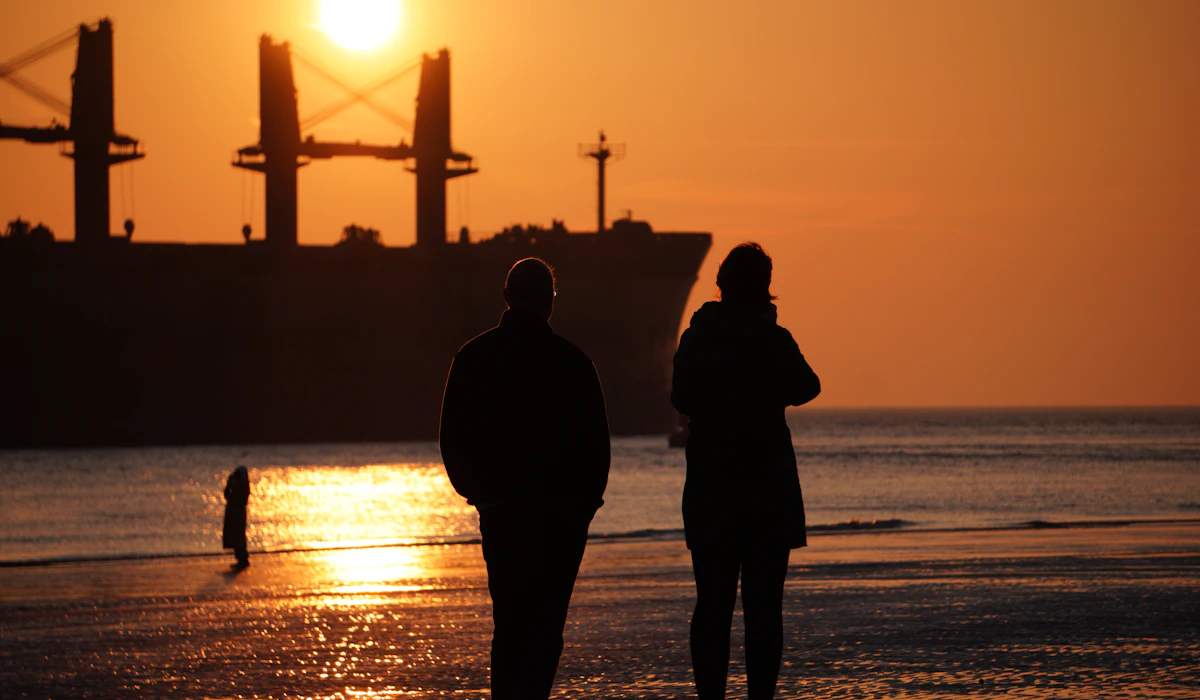
Most cruise rules look fussy until the reason behind them becomes clear. A ship is a closed system at sea, often hours from the nearest port or outside assistance, where a single fire, illness or fall can affect everyone aboard.
The crew enforces the rules because the crew will also be the ones responding if something goes wrong.
Regulars tend to follow these rules without much thought, the way experienced drivers obey traffic signs. They know the consequences, from confiscated irons to possible removal from the ship, and they know that the rules protect the voyage as much as the passenger.
A good cruise depends on thousands of people agreeing to the same small courtesies.
More from Travel Pug

- Underrated Italian Towns That Beat the Tourist Crowds
- Las Vegas Tourist Traps to Skip
- Prettiest Towns in Every US State
- 18 passport-free countries for Americans
- Signs Your Cruise Is Not Worth The Cost
Like Travel Pug’s content? Follow us on MSN.