

There’s something about water that pulls people away from their desks, their routines, their carefully planned lives. Maybe it’s the sound — that steady rhythm that drowns out everything else.
Maybe it’s the way horizons stretch wider when there’s water involved, or how time moves differently when you’re floating instead of walking. Whatever it is, water vacations hit differently than mountain trips or city breaks.
The US offers water experiences that range from the obvious to the unexpected. Some involve oceans that stretch to other continents.
Others center around lakes so clear you can see straight to the bottom, or rivers that carved their way through rock over millions of years. The best water holidays aren’t just about getting wet — they’re about finding the version of yourself that emerges when you’re surrounded by something bigger and older than your daily concerns.
Maui, Hawaii
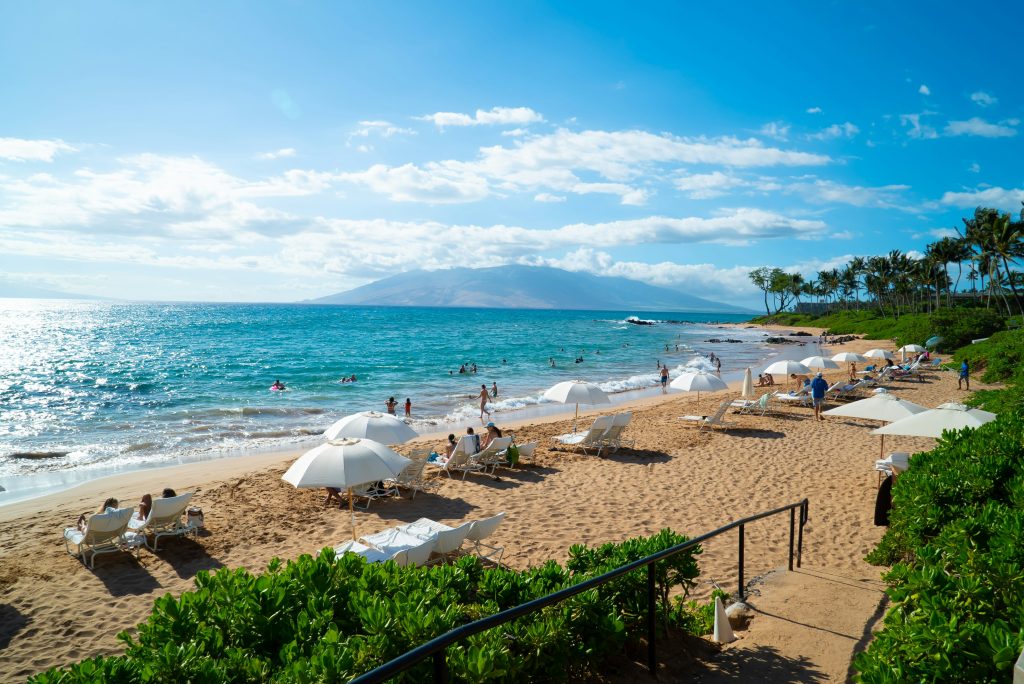
Hawaii’s tourism machine churns relentlessly, but Maui still delivers something genuine underneath all the resort marketing. The snorkeling at Molokini Crater puts you inside an aquarium that wasn’t designed for humans.
Sea turtles move through the water like they’re demonstrating how grace actually works. The Road to Hana winds past waterfalls that don’t care about your schedule.
Most visitors rush through, checking off stops like items on a grocery list. The smarter approach involves picking one waterfall and staying long enough to hear the sound change as your ears adjust.
Lake Tahoe, California/Nevada
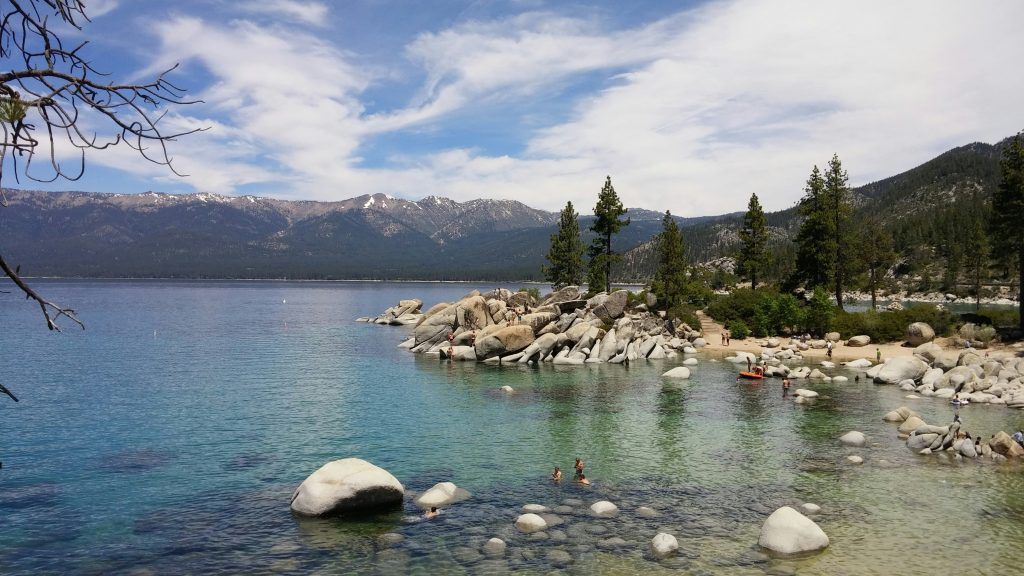
Lake Tahoe operates on a different visual frequency than most places. The water clarity reaches depths that seem impossible — you can see rocks 30 feet down with the kind of detail that makes your brain recalibrate what “clear water” actually means.
And the contrast between that crystalline blue and the surrounding Sierra Nevada peaks creates the sort of view that stops conversations mid-sentence. The lake sits at 6,200 feet, which means the air carries less oxygen and more intensity.
Colors appear sharper. The sun feels more direct.
Even simple activities like kayaking or swimming take on a heightened quality, as if the altitude amplifies everything by 15%. The water stays cold year-round — cold enough that jumping in becomes a small act of courage rather than casual recreation.
Outer Banks, North Carolina
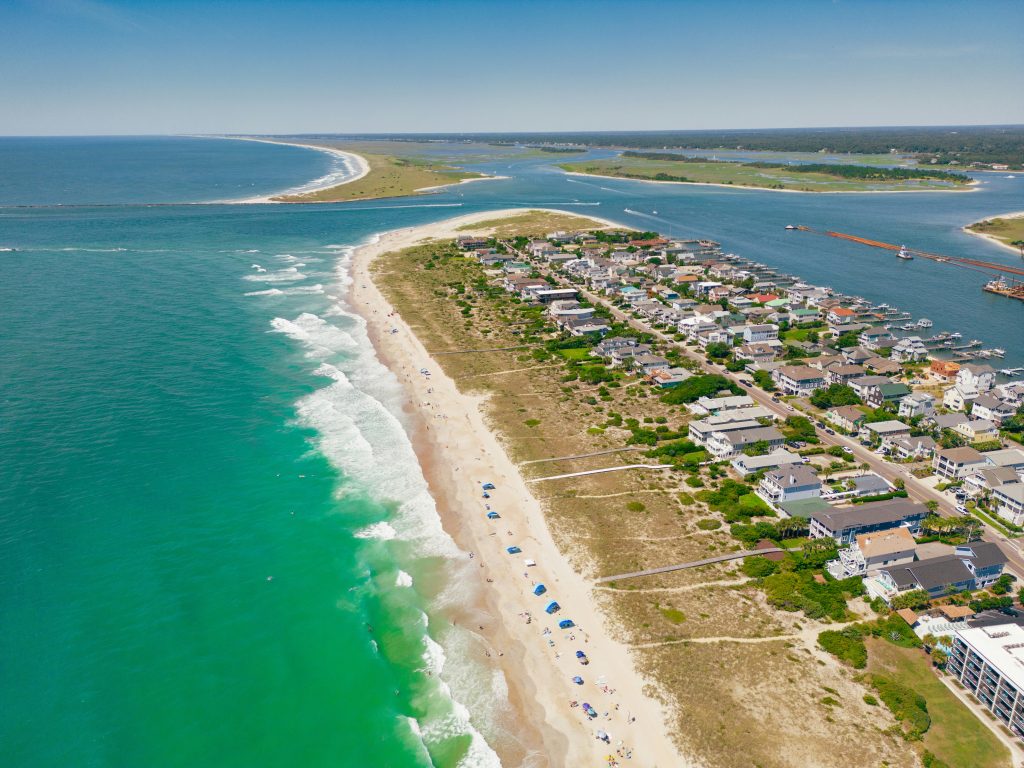
Wild horses roam the beaches here, which sounds like tourism marketing until you actually see them. These animals have survived hurricanes, winter storms, and centuries of coastal changes.
They move across the sand with the kind of indifference to human schedules that reminds you who actually belongs here. The Outer Banks stretch like a protective barrier between the Atlantic and the mainland, creating a landscape that feels both exposed and sheltered.
Cape Hatteras Lighthouse stands 208 feet tall because it needs to — this coastline has earned its reputation for shipwrecks. The combination of beauty and danger creates an edge that sanitized beach destinations can’t match.
Apostle Islands, Wisconsin
Most people don’t think “Wisconsin” when planning water vacations, which is precisely why the Apostle Islands work so well. Lake Superior behaves like an ocean that decided to stay inland — it generates its own weather, supports multiple ecosystems, and maintains a temperature that discourages casual swimming.
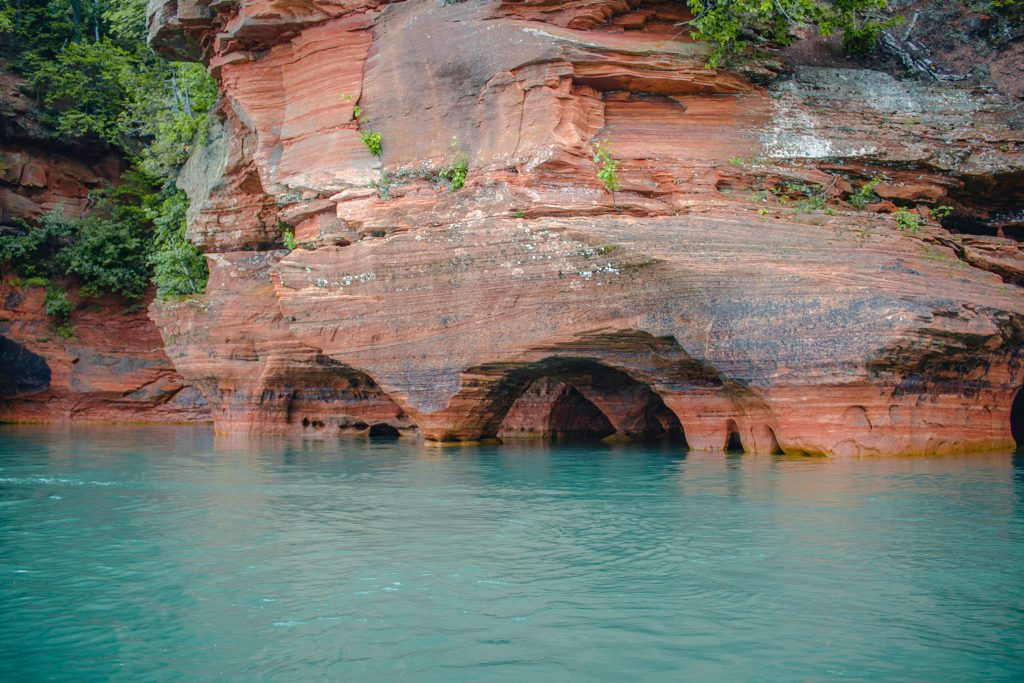
The 22 islands scattered across the lake create a kayaking environment that rewards exploration without requiring expert skills. The sea caves carved into the sandstone cliffs shift personality based on water levels and seasons.
In winter, they transform into ice formations that look like nature’s attempt at cathedral architecture (though accessing them requires careful planning and proper equipment). Summer brings paddling opportunities where you can navigate directly into these carved spaces, with sunlight filtering through openings in ways that make ordinary moments feel cinematic.
The islands maintain a wildness that feels increasingly rare — no cars, no crowds, just water, stone, and whatever weather Superior decides to deliver.
Key West, Florida
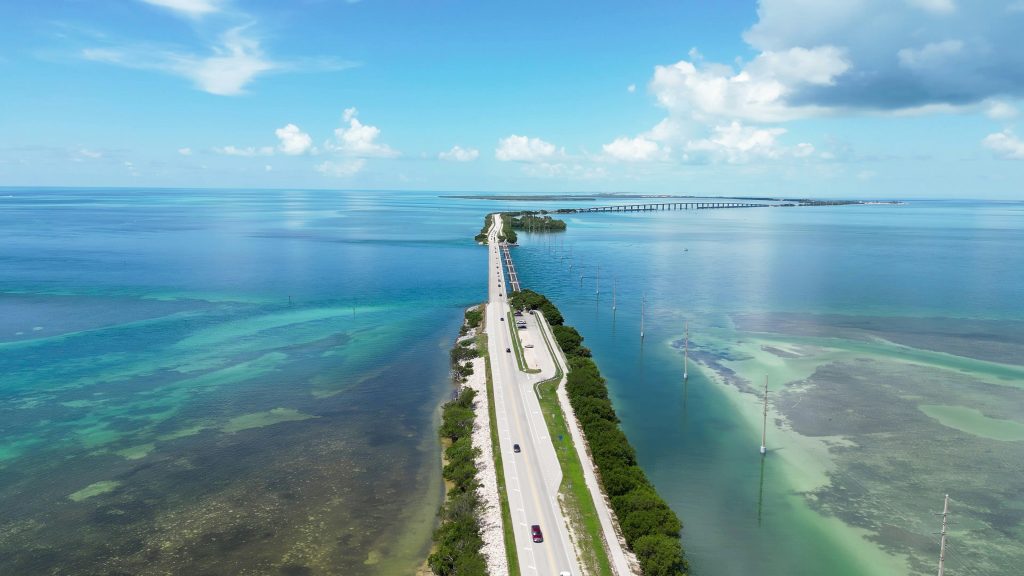
Key West sits at the end of US Route 1 like a period at the end of a very long sentence. The island attracts a specific breed of person — those who appreciate the fact that you literally cannot drive any farther south and remain in the contiguous United States.
This geographical finality creates a cultural atmosphere where normal rules feel optional. The water surrounding the Keys shifts through shades of blue and green that look artificially enhanced until you see them in person.
Sunset celebrations at Mallory Square have devolved into tourist theater, but the actual sunsets remain legitimate. The Gulf Stream runs close enough to shore that fishing doesn’t require major expeditions, and the coral reefs support snorkeling that rivals more exotic destinations.
Lake Powell, Utah/Arizona
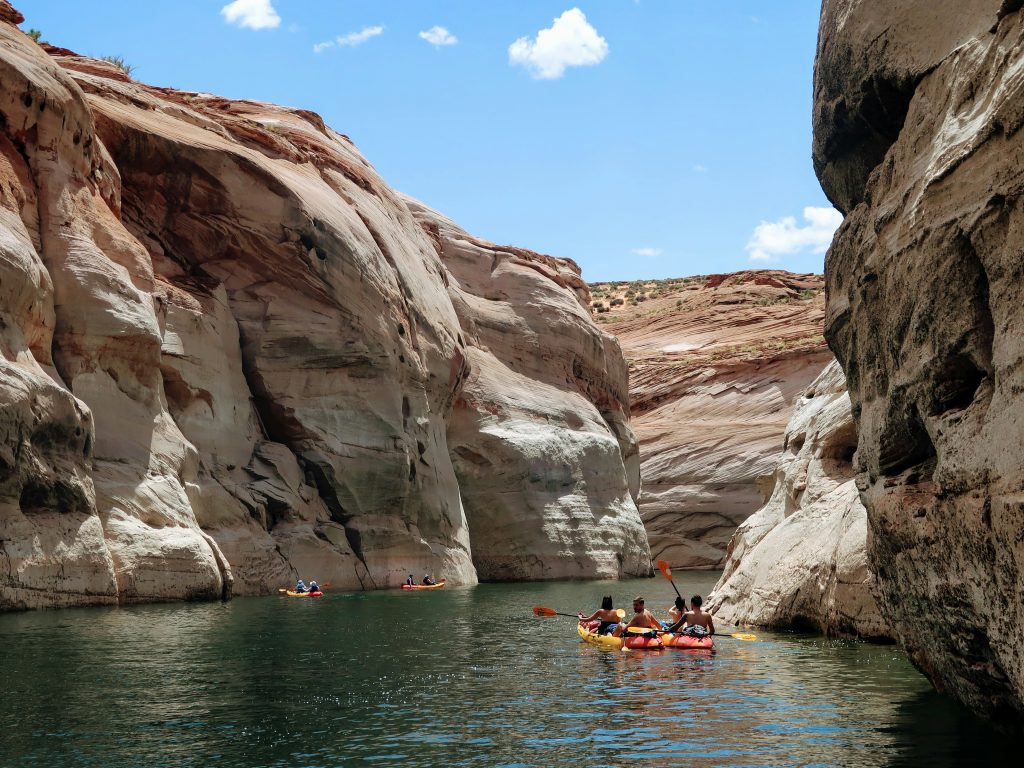
Lake Powell exists because engineers decided to flood one of the most beautiful canyon systems in the American Southwest. The result is complicated — environmentally controversial but visually stunning.
Red sandstone formations rise directly from blue water, creating a landscape that looks like Mars decided to add a lake. Houseboating here means waking up in different coves, with slot canyons accessible only by kayak or swimming.
The contrast between desert climate and abundant water creates surreal moments: you can swim in cool lake water while surrounded by rock formations that reach temperatures hot enough to burn skin. Glen Canyon’s drowned beauty remains visible beneath the surface in places, a reminder of what was sacrificed to create this recreational playground.
Martha’s Vineyard, Massachusetts
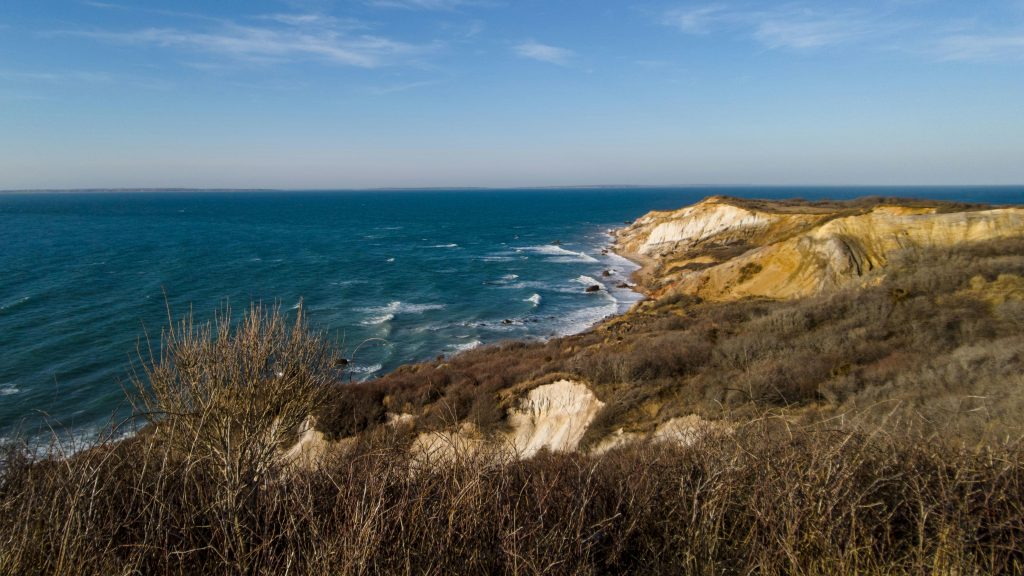
Martha’s Vineyard cultivates an image of understated wealth and maritime tradition, and it largely delivers on both fronts. The island maintains enough working fishing boats and weathered shingled houses to feel authentic, despite real estate prices that reflect its proximity to serious money.
Gay Head Cliffs (officially renamed Aquinnah Cliffs) display geological layers in colors that shift throughout the day as light angles change. The ferry ride from Woods Hole creates a proper transition — enough time on water to mentally separate from mainland concerns.
Each town on the island maintains its own character: Edgartown’s white houses and perfectly maintained gardens, Oak Bluffs’ Victorian gingerbread cottages, Vineyard Haven’s working harbor. The beaches range from gentle family-friendly spots to surf breaks that attract serious wave riders.
Glacier Bay, Alaska
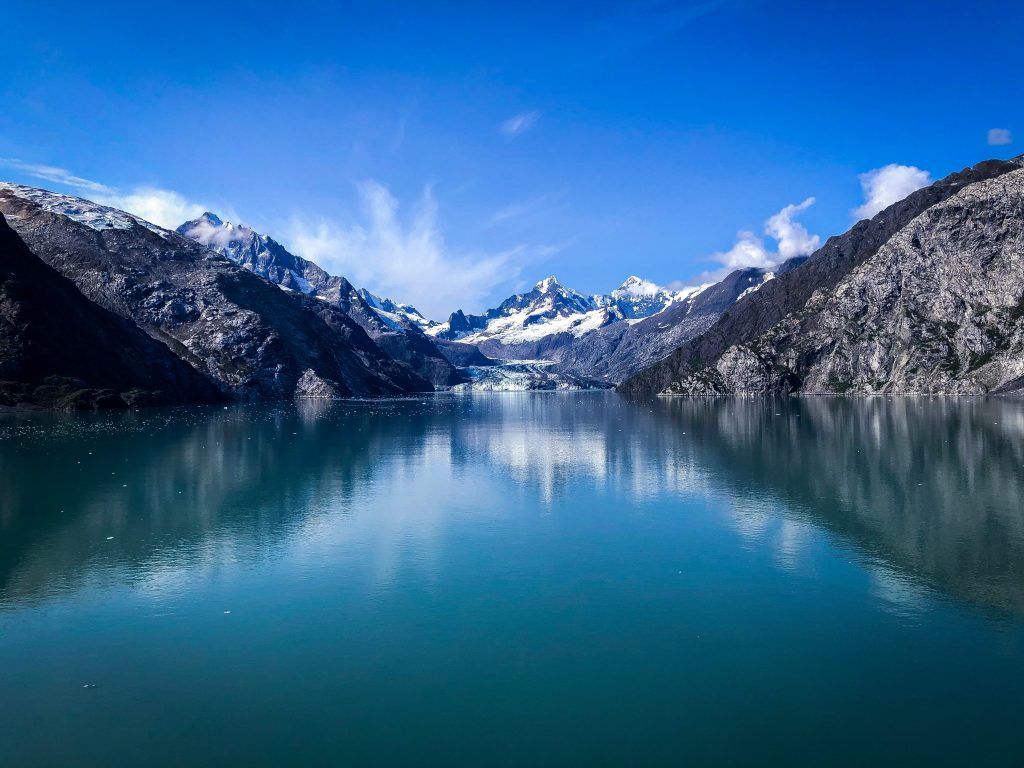
Glaciers calving into the ocean produce sounds that register in your chest before your ears process them. These aren’t gentle splashes — they’re thunderclaps followed by waves that rock boats anchored a quarter-mile away. Glacier Bay National Park requires boat or plane access, which automatically filters out casual tourists and creates space for the kind of encounters that feel genuinely wild.
Humpback whales feed in these waters during summer months, and their bubble-net feeding behavior creates circular patterns on the surface that indicate something remarkable happening below. When they surface inside their self-created nets, mouths open and full of fish, it demonstrates hunting intelligence that tour guide narration can’t adequately capture.
The scale of everything — glaciers, mountains, marine life — operates on dimensions that make human activities feel appropriately small.
San Juan Islands, Washington
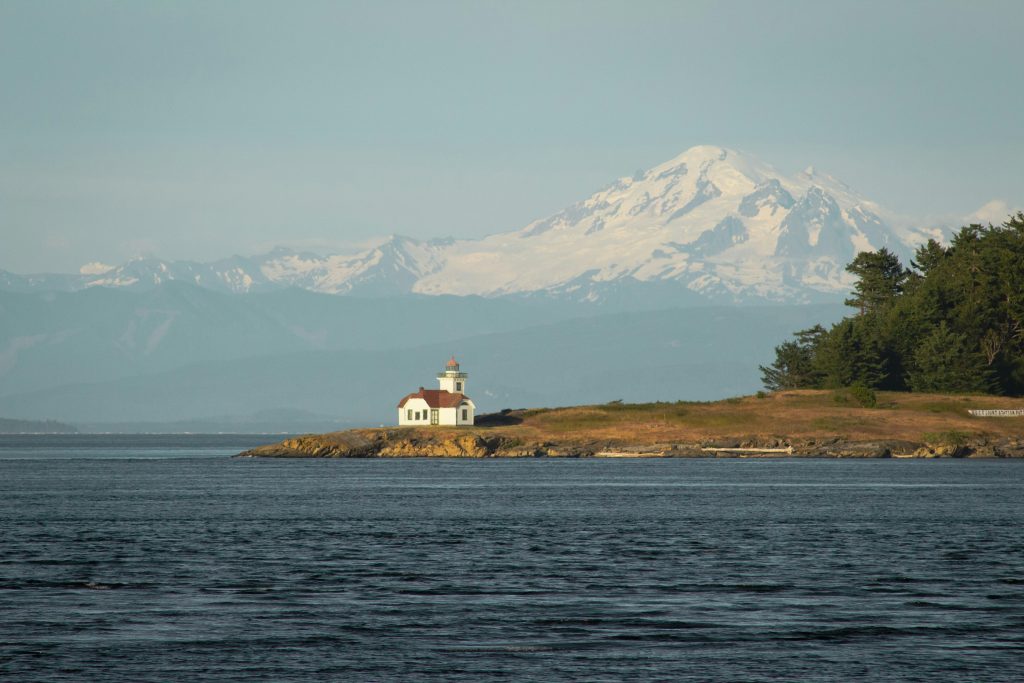
The San Juan Islands scatter across the water between Washington State and Vancouver Island like someone spilled a handful of green gems. Ferry service connects the main islands, but the real exploration happens by kayak, where you can navigate between islands and discover coves that don’t appear on standard maps.
Orca whales travel through these waters in family pods, and encountering them while paddling creates the sort of connection that whale-watching boats can’t replicate. Each island develops its own personality despite their proximity: Orcas Island’s artistic community and organic farms, San Juan Island’s historical sites and lavender fields, Lopez Island’s cycling culture and agricultural landscape (residents wave at everyone, including strangers, which takes getting used to).
The ferry system itself becomes part of the vacation rhythm — timetables that encourage slowing down, deck space for watching the water, interisland hopping that feels like exploration rather than transportation.
Door County, Wisconsin
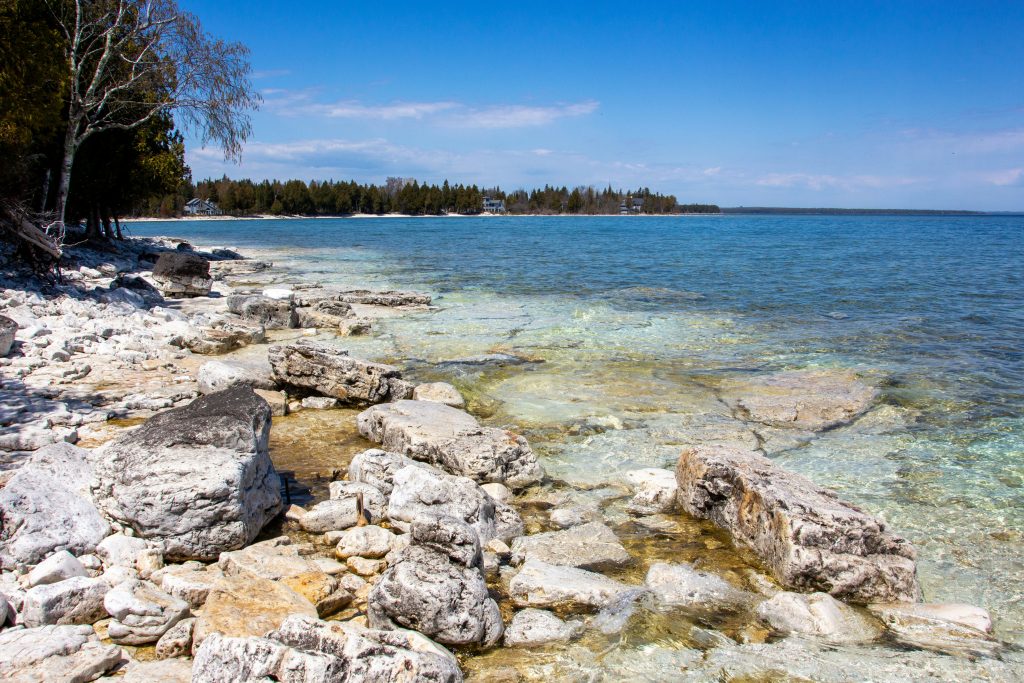
Door County’s 300 miles of shoreline wrap around the thumb of Wisconsin, creating a peninsula where Lake Michigan views change dramatically based on which direction you face. The area attracts a particular type of Midwestern vacationer — people who appreciate lighthouse tours, fish boils, and the kind of small-town charm that doesn’t try too hard to be quaint.
But the water activities here rival coastal destinations: sea kayaking, sailing, fishing that produces genuine results rather than just photo opportunities. The maritime history runs deep enough to support multiple shipwreck diving sites, and the water clarity in certain areas allows snorkeling that surprises people expecting murky lake conditions.
Door County’s state parks provide camping with water views, beach access that doesn’t require fighting for parking, and hiking trails that connect various coastal viewpoints. The cherry orchards that gave the area its agricultural reputation bloom in spring, creating a brief period when the landscape becomes almost aggressively photogenic.
Crystal Coast, North Carolina
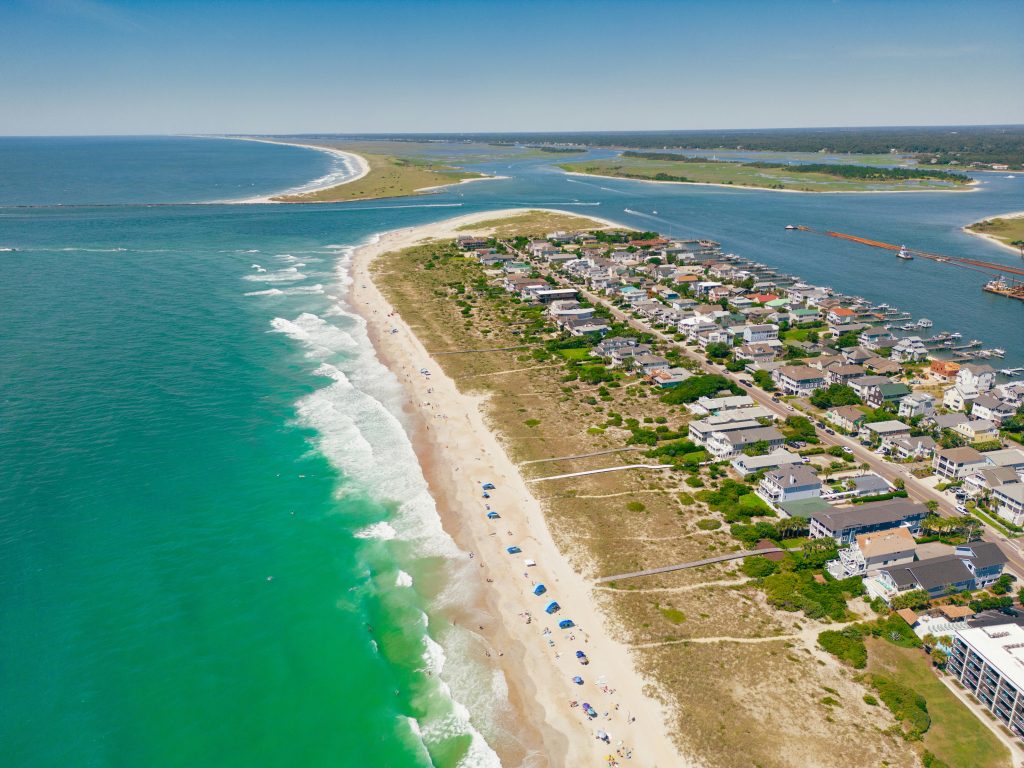
The Crystal Coast earned its name from water clarity that exceeds typical Atlantic expectations. Shackleford Banks supports a population of wild horses that arrived via shipwreck centuries ago and adapted to coastal living.
These animals have learned to dig for fresh water and graze on salt-tolerant vegetation, creating a population that exists nowhere else on the East Coast. Cape Lookout’s lighthouse operates as a navigational aid and historical landmark, but the real attraction is the undeveloped beach that stretches for miles without a single building.
Access requires a ferry or personal boat, which maintains the area’s wild character. The fishing here produces results that justify the effort: red drum, cobia, Spanish mackerel in numbers that reflect healthy coastal ecosystems.
Finger Lakes, New York
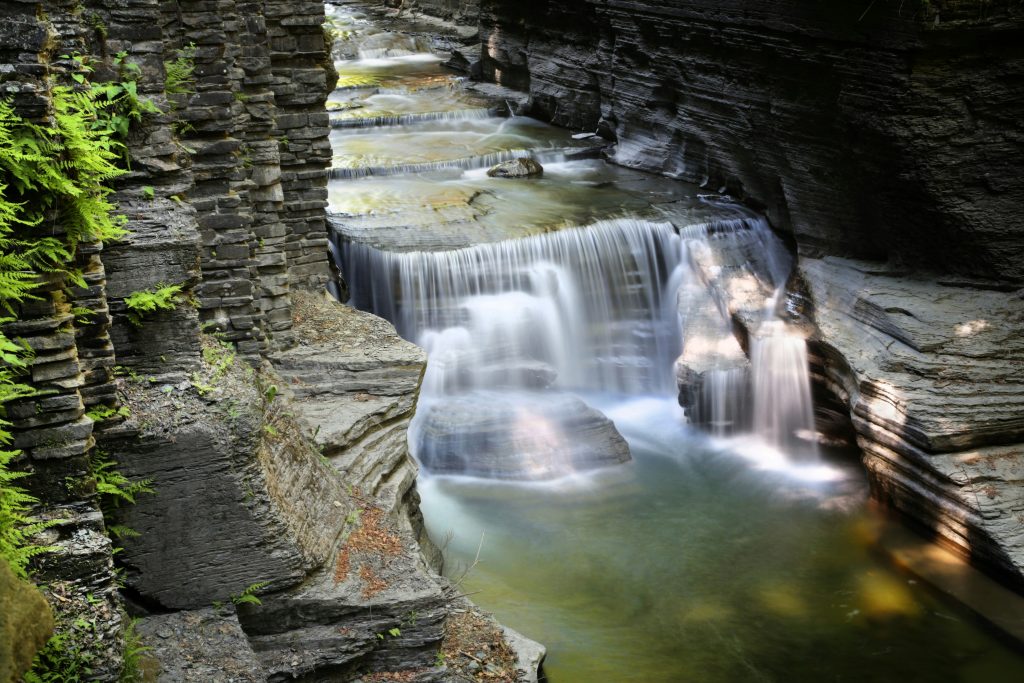
Eleven lakes carved by glacial action create a region where water activities blend with wine tourism and agricultural landscapes that look like upstate New York’s answer to Tuscany. Cayuga Lake stretches 38 miles and reaches depths that keep the water temperature moderate even during summer heat waves.
Skaneateles Lake maintains water quality so high that Syracuse draws its drinking water directly without filtration. The lakes support everything from competitive sailing to casual paddling, with enough variety that different skill levels can share the same waters without conflicts.
Waterfalls throughout the region — Taughannock Falls drops 215 feet, higher than Niagara — provide swimming holes and hiking destinations that complement the lake activities. The wine trail concept originated here, and the combination of lake views and vineyard tastings creates vacation days that flow from water activities to wine sampling without feeling forced.
Lake of the Ozarks, Missouri
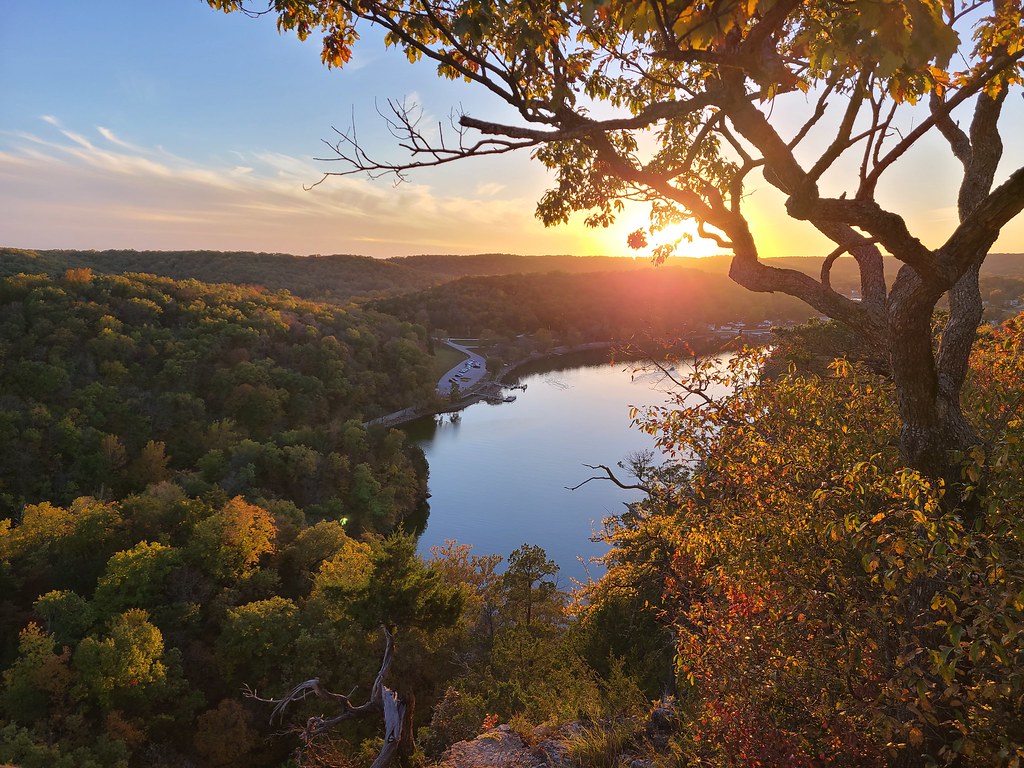
Lake of the Ozarks snakes through Missouri hills for 92 miles, creating 1,150 miles of shoreline that supports every possible water activity. The lake attracts a demographic that appreciates pontoon boats, lake houses, and the kind of recreational boating culture where pulling up to restaurants by water feels normal.
This isn’t wilderness recreation — it’s a social water activity where the scene matters as much as the swimming. The Party Cove phenomenon epitomizes the lake’s personality: hundreds of boats raft together on weekends, creating floating gatherings that combine music, swimming, and the kind of social mixing that happens when people anchor their boats next to strangers.
Ha Ha Tonka State Park provides hiking trails and historical ruins for those seeking quieter activities, while the main lake areas deliver consistent action for water sports enthusiasts.
Making waves worth following
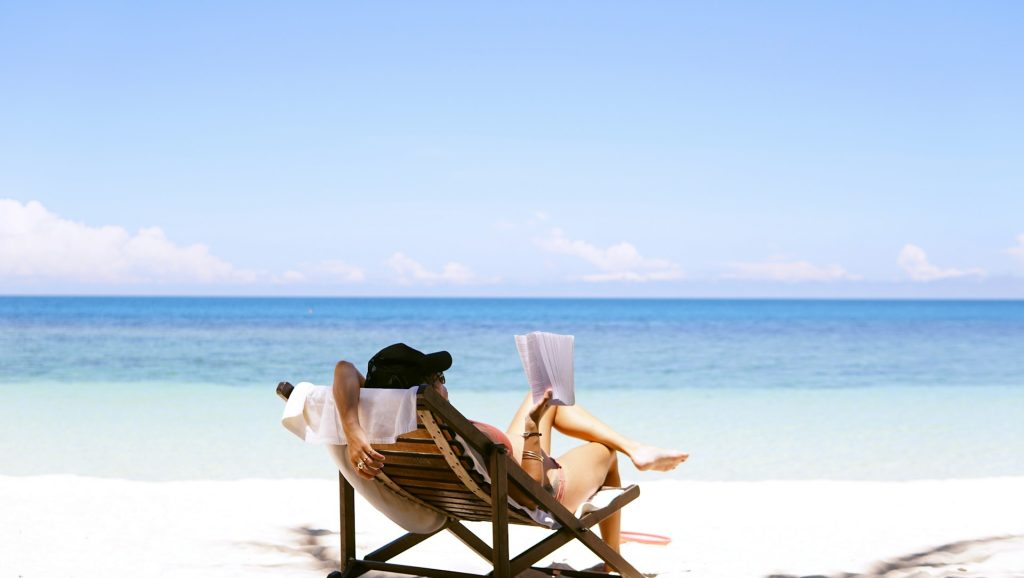
Water vacations succeed when they match the rhythm you’re seeking rather than the rhythm you think you should want. Some people need the predictable luxury of resort beaches where schedules matter and amenities function reliably.
Others require the unpredictability of wild coastlines where weather determines activities and backup plans become primary experiences. The best water destinations don’t just offer swimming and sunbathing — they provide the space for whatever version of yourself emerges when you’re surrounded by something vast and patient.
Whether that means kayaking through sea caves, watching whales breach, or simply floating long enough for your thoughts to quiet, the water waits. It’s been there longer than your concerns and will remain after you return to dry land and regular schedules.
More from Travel Pug

- Underrated Italian Towns That Beat the Tourist Crowds
- Las Vegas Tourist Traps to Skip
- Prettiest Towns in Every US State
- 18 passport-free countries for Americans
- Signs Your Cruise Is Not Worth The Cost
Like Travel Pug’s content? Follow us on MSN.