

There’s something deeply human about the desire to claim the tiniest possible piece of earth and call it home. Maybe it stems from childhood dreams of building the perfect fort, or perhaps it’s the ultimate expression of independence — creating a world so small you can walk its entire perimeter before breakfast.
Whatever drives people to these remarkable specks of land, their stories reveal just how little space humans actually need to build a life, and how much ingenuity it takes to make that life work.
Bishop Rock
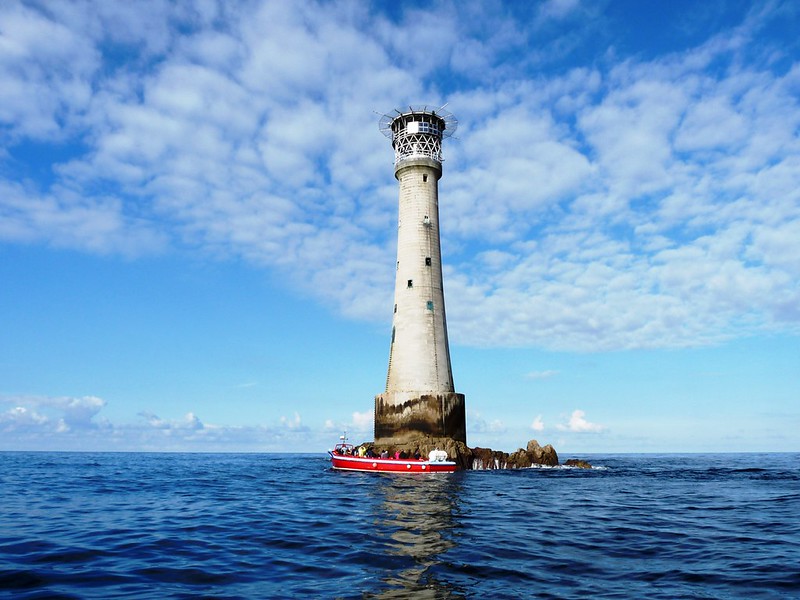
Bishop Rock sits in the Atlantic Ocean like a stubborn period at the end of England’s sentence. A small number of lighthouse personnel have lived here historically.
The island measures 161 feet long. Most people’s backyards are bigger.
Just Room Enough Island
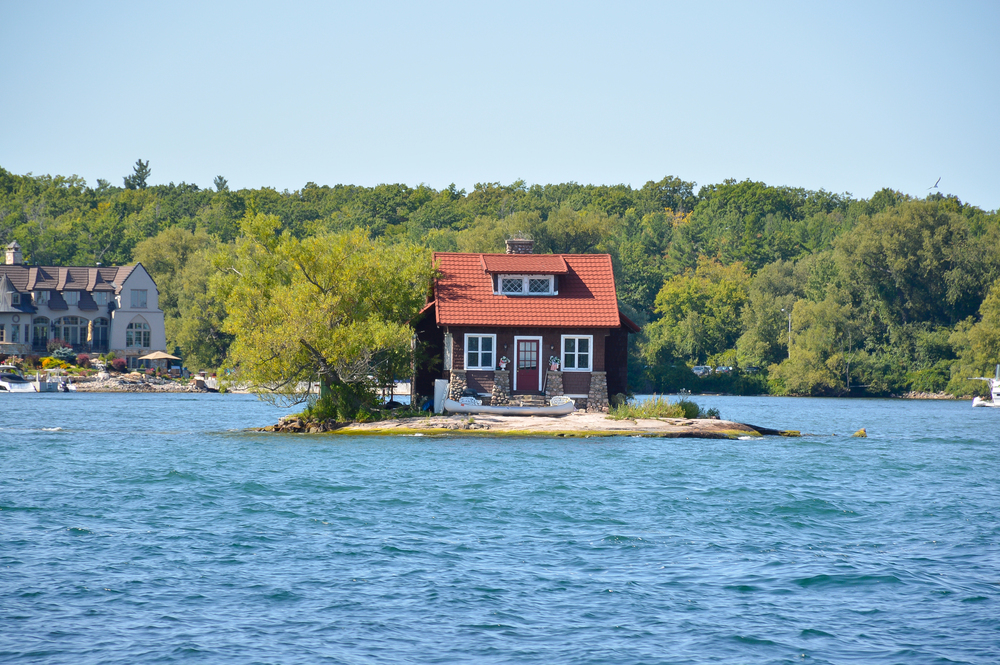
The name doesn’t lie — there’s exactly enough space for one house, one tree, and a small beach that disappears when someone’s doing laundry outside. The Sizeland family bought this dot of land in the St.
Lawrence River back in 1950, and while the original owners have passed on, their descendants still spend summers here, which raises the obvious question of where exactly guests sleep (turns out the answer is: they don’t, they visit for the day and leave before sunset, because physics).
The entire island spans roughly 3,300 square feet, and if you’ve ever wondered what it feels like to live somewhere that Google Earth has to zoom in three extra clicks to locate, this would be the place to find out. But here’s what’s peculiar about spaces this small — they don’t make you feel cramped so much as they make everything else feel absurdly oversized, as if the rest of the world has been using space inefficiently this whole time, building rooms they don’t need and hallways that lead nowhere important.
Dunbar Rock
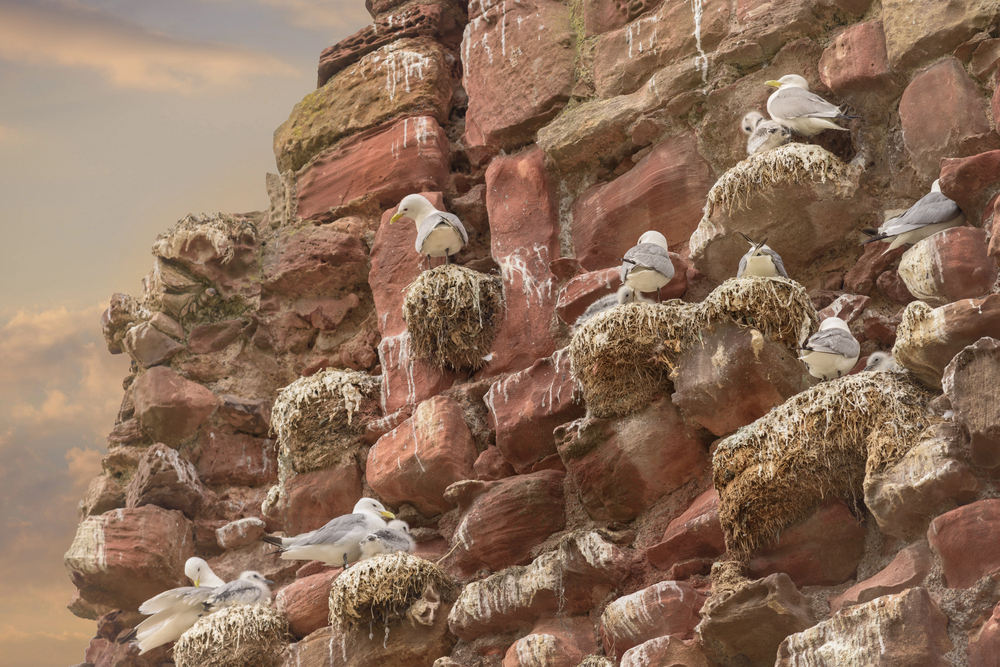
Picture a relationship so solid that you’d buy a private island together, then realize the island is essentially one large rock with a house bolted to it. That’s Dunbar Rock off the coast of Honduras.
The couple who lives here runs a small eco-resort. Three guest rooms, solar power, and a rule that everyone eats dinner together because there’s literally nowhere else to go.
The social dynamics get interesting when you can’t walk away from a conversation that’s gone stale.
Poveglia
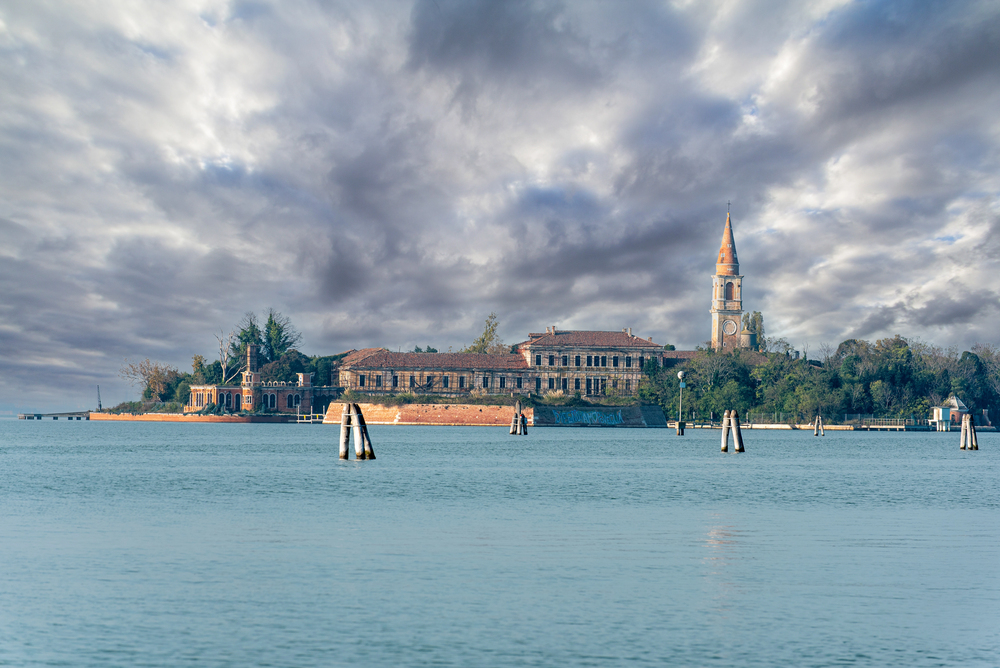
Most people avoid Poveglia’s history. Access is restricted, though caretakers may occasionally be present to maintain the island.
The caretaker maintains the island despite its reputation, or maybe because of it. Some stories need a human presence to keep them from growing larger than they already are.
The island spans 17 acres in the Venetian Lagoon. Large enough for secrets, small enough that secrets don’t stay hidden long.
Hub Island
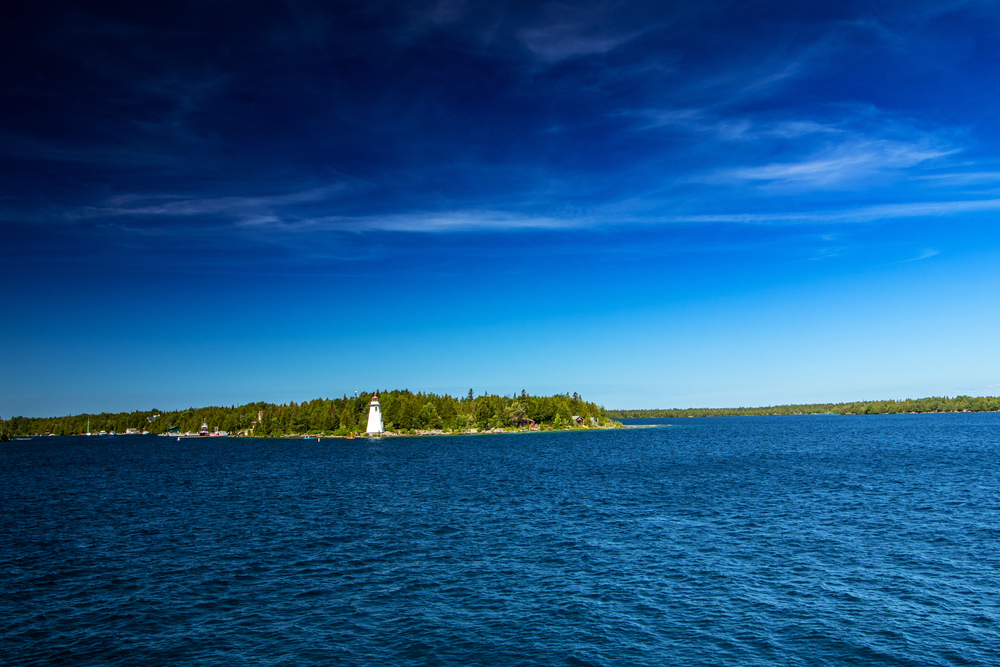
There’s something almost theatrical about the way Hub Island presents itself — a single granite outcropping that emerges from Lake Huron with such dramatic timing you’d think it was waiting for applause, supporting exactly one house that sits there like an actor who’s forgotten their lines but refuses to leave the stage. The current residents (a retired couple who bought the place after their children moved out and they realized they’d been sharing their space with other people for decades) describe the experience as living inside a snow globe, where the weather happens around you but somehow never quite reaches you in the same way it affects people on the mainland.
And yet there’s something undeniably romantic about the whole arrangement — the way the morning light hits the water and reflects back up toward the house, creating this soft, doubled world where up and down become suggestions rather than rules. The island measures just over an acre, which means you can walk from your front door to the edge of your property in about thirty steps, but somehow those thirty steps contain more solitude than most people find in houses ten times the size.
So when visitors ask how they handle the isolation, the answer usually comes back as a question: what isolation?
Wilhelmstein Island

An artificial island built for warfare now hosts a single family who runs a small museum. The irony isn’t lost on anyone — a place designed to keep people away now depends on people visiting to survive.
The island sits in Lake Steinhude in Germany. Tourists come for the history, but they stay for the homemade apple cake the resident family serves in their tiny café.
Some business models are more honest than others.
Uros Islands

The floating reed islands of Lake Titicaca shouldn’t work, but they do. Families live on woven platforms that bob gently with the water, rebuilding their homes layer by layer as the reeds beneath decompose.
Each island houses between three and ten families. The islands themselves can be moved when needed — untied from their anchors and pushed to a new location.
It’s the only form of homeownership where you can literally take your neighborhood with you when you relocate.
These aren’t tourist attractions pretending to be authentic — they’re working communities where children attend floating schools and adults fish from their front yards, where the line between land and water dissolves into something more practical than either.
Monkey Island
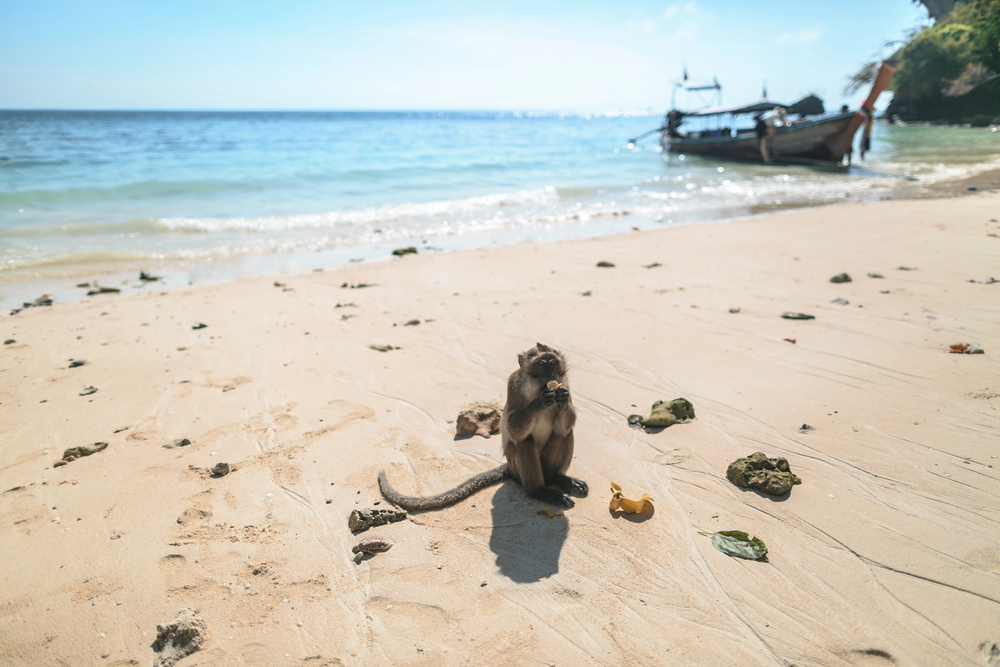
Monkey Island in Homosassa Springs, Florida, proves that good real estate marketing can overcome almost any obstacle, including the fact that your island home comes with a built-in population of rhesus monkeys who were there first and have strong opinions about property boundaries (the monkeys stay on their designated section, the human residents stay on theirs, and somehow this arrangement has worked for decades, which says something optimistic about the possibility of peaceful coexistence, even when it requires a few fences and a strict understanding about who feeds whom).
The human population consists of one family who maintains the small research station and gift shop, though “gift shop” might be overstating things since most of their merchandise consists of monkey-themed t-shirts and the occasional postcard that says “Greetings from Monkey Island” in letters designed to look like they were written by small primates. But the real charm of the place isn’t the novelty — it’s the way living alongside another species forces a kind of daily negotiation about space and noise and food that most suburban neighborhoods never have to consider.
And it works, mostly.
Little Brewster Island
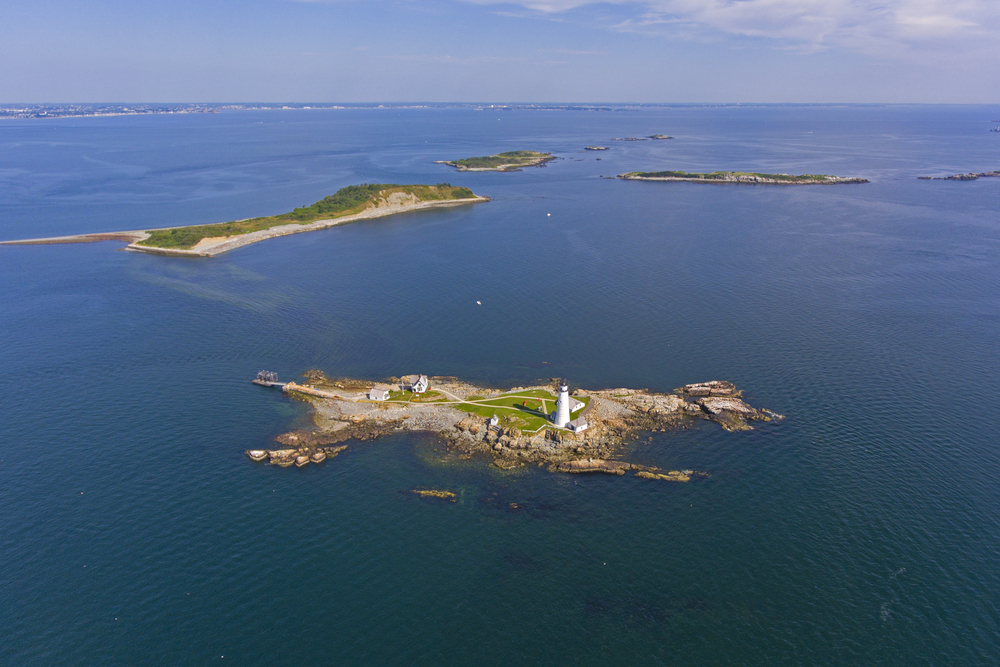
Boston Light sits on Little Brewster Island, and so does one Coast Guard family. The lighthouse automated decades ago, but someone still needs to live there.
Bureaucracy requires a human presence, even when technology has made that presence technically unnecessary.
The island offers views of Boston Harbor and absolutely nothing else to do. The family who lives there describes it as the perfect place to read books and think long thoughts.
Whether that’s attractive or terrifying depends entirely on how comfortable you are with your own company.
Room Enough Island
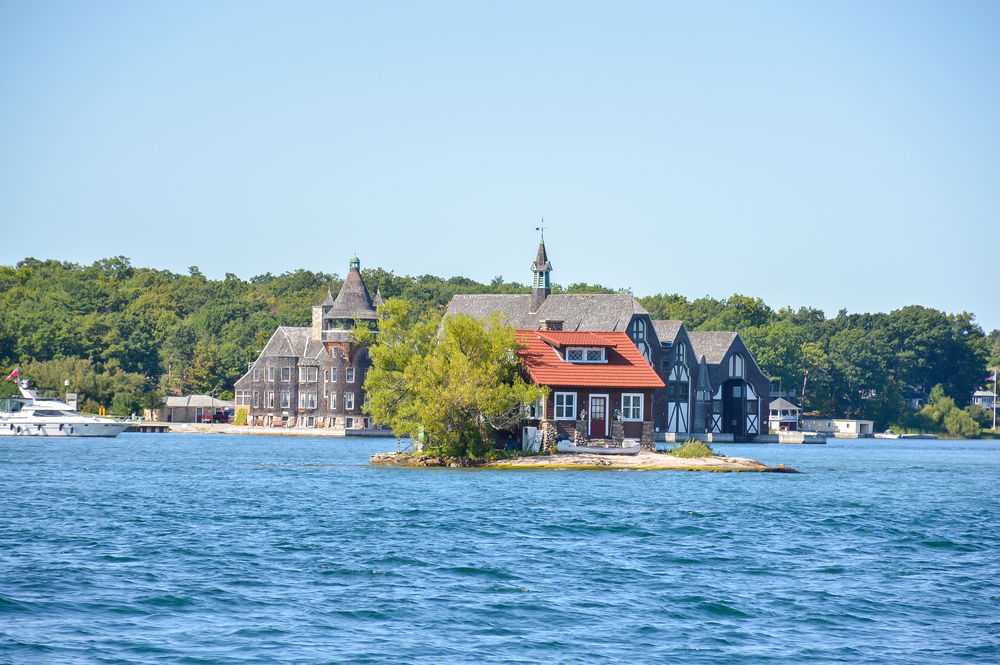
Not to be confused with Just Room Enough Island, this speck in the Thousand Islands region of New York takes the concept of minimal living and reduces it even further. One cottage, one dock, one tree that’s probably older than the building.
The seasonal residents are a retired professor and his wife who spent forty years teaching in crowded classrooms before deciding they’d had enough of other people’s opinions about everything. Fair enough.
Tristan da Cunha
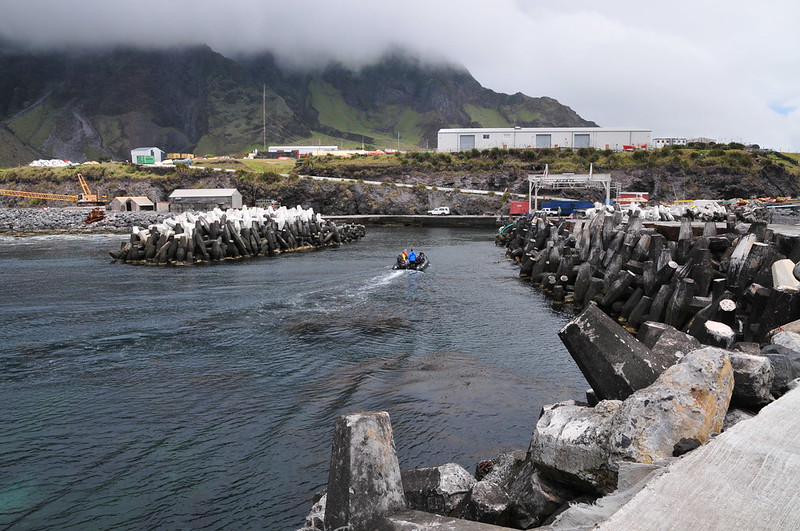
Calling Tristan da Cunha small might be technically incorrect — it spans about 38 square miles — but with only 250 permanent residents and the nearest neighbor located 1,500 miles away, it earns its place through sheer isolation rather than actual size, which creates a different kind of smallness, the kind that comes from being so far from everything else that your entire world contracts to just the people and places you can actually reach (and reaching anywhere else requires a boat journey that takes several days, assuming the weather cooperates, which it frequently doesn’t).
The residents are all related to the original seven families who settled the island in the 1800s, which means everyone knows everyone else’s business going back several generations, but somehow they’ve managed to avoid the small-town dynamics that typically destroy communities this size — perhaps because when your nearest escape route is a week-long boat ride to South Africa, you learn to resolve conflicts rather than let them fester. And there’s something admirable about a place where the local government still operates by consensus, where major decisions get made in community meetings where everyone actually shows up because there’s nowhere else to be, and where the definition of “rush hour” involves exactly one car driving past your house on the island’s single road.
Gough Island
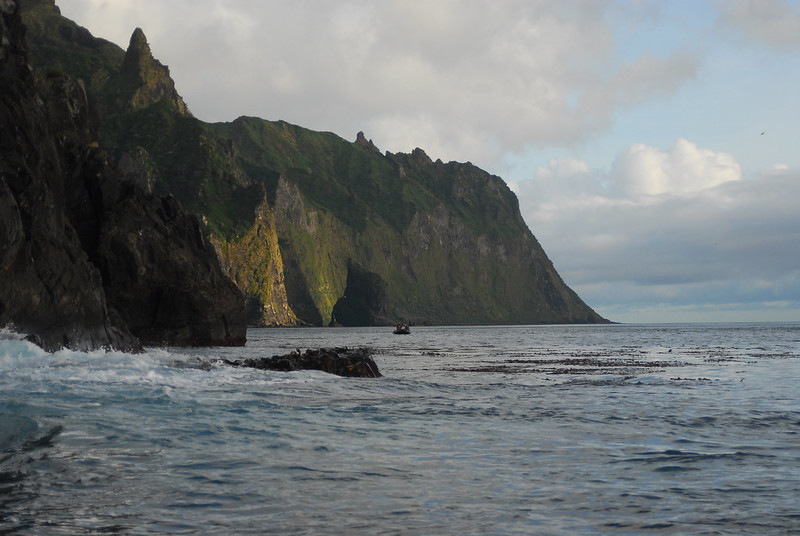
The weather station on Gough Island is occasionally inhabited by rotating research teams. They monitor weather patterns for the South African Weather Service and maintain the island’s research facilities.
The island sits in the South Atlantic, roughly 1,700 miles from the nearest continent. Mail comes twice a year.
The Internet comes via satellite when the weather permits. Researchers stationed there describe their lifestyle as “deliberately analog” — books instead of streaming, conversation instead of social media, weather instead of news.
Sark

Sark operates under feudal law and has a population of 600, which makes it larger than most entries on this list, but the island’s commitment to staying small is worth noting. No cars are allowed.
No streetlights exist. The local government meets in someone’s living room because they’ve never needed anything larger.
The Chief Pleas (Sark’s parliament) consists of 28 members who make decisions about refuse collection, road maintenance, and whether to allow the occasional tractor. Democracy scales down to remarkably practical concerns when your entire jurisdiction can be crossed on foot in an hour.
Ailsa Craig

The island is uninhabited, with periodic maintenance visits. It is a volcanic plug that rises from the Firth of Clyde like a granite middle finger pointed at the Scottish mainland.
The lighthouse automated years ago, but maintenance teams visit periodically to maintain the buildings and monitor the gannet colonies.
The island produces the granite used for Olympic curling stones. The keeper mines small amounts each year, shipping them to the mainland where they’re carved into sporting equipment.
It’s possibly the only job in the world where your commute involves a helicopter and your office doubles as a bird sanctuary.
Monuriki
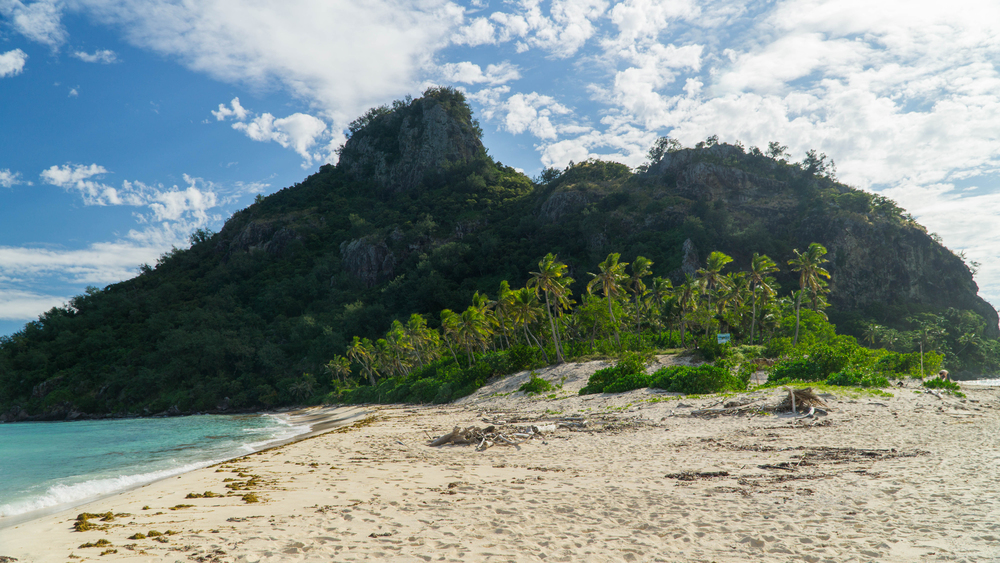
The island is uninhabited, though used for eco-tourism visits, taking visitors to the beaches where “Cast Away” was filmed.Nearby communities live in traditional bures.
The island has no electricity, no running water, and no internet. The family uses solar panels to power a radio for emergencies.
Everything else runs on daylight, tides, and the kind of scheduling that depends more on weather than clocks.
Finding home in small places

These islands scatter across the globe like punctuation marks in an otherwise continuous conversation about space and solitude. Their residents have figured out something that escapes most of us — that home isn’t about having room to spread out, it’s about having just enough space to be exactly who you are.
Whether that requires 161 feet or 38 square miles apparently depends less on the person than on how much of the world they need to keep at arm’s length.
More from Travel Pug

- Underrated Italian Towns That Beat the Tourist Crowds
- Las Vegas Tourist Traps to Skip
- Prettiest Towns in Every US State
- 18 passport-free countries for Americans
- Signs Your Cruise Is Not Worth The Cost
Like Travel Pug’s content? Follow us on MSN.