

Red-eye flights are a form of torture. You’re jammed into a seat with your body crying out for horizontal and unconsciousness, but somehow you’re supposed to arrive at your destination ready to go. The all-night trip across time zones reduces even veteran travelers to brain-dead zombies in airport terminals.
Despite the discomfort, millions of individuals use these flights for ease and economy.Here are 20 handy tips that’ll get you through red-eye flights with your sanity and energy levels unscathed.
They include advice on everything from what to wear to how to plan your meals for optimal comfort.
Book the right seat
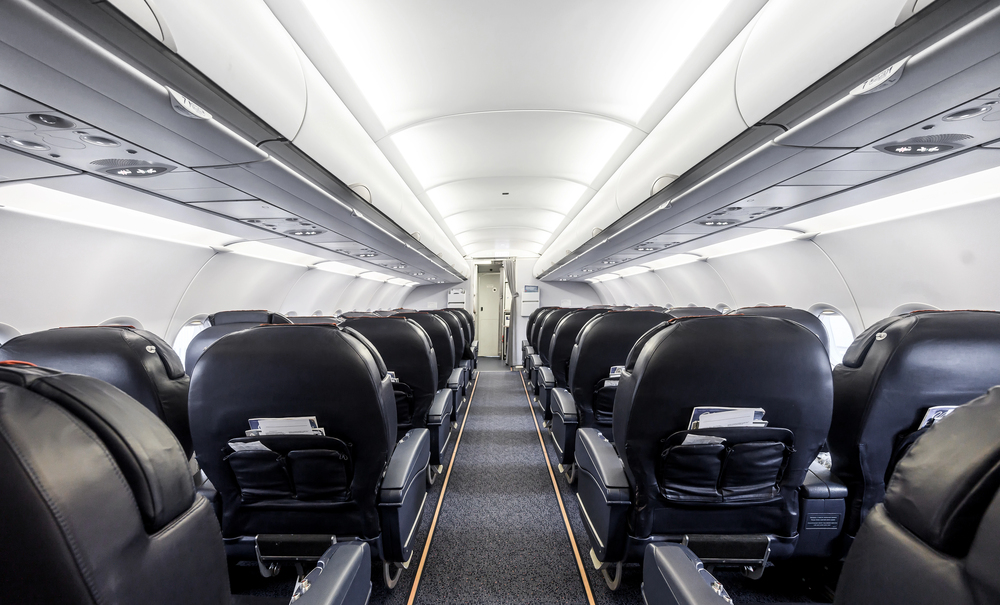
Window seats give you control over the shade and a wall to lean against — two luxuries that make sleeping significantly easier. Aisle seats offer legroom and bathroom access, though you’ll get bumped by passing carts and fellow passengers throughout the night.
Exit rows provide extra space, yet the seats often don’t recline and can be chillier than other spots on the plane.
Dress in loose layers
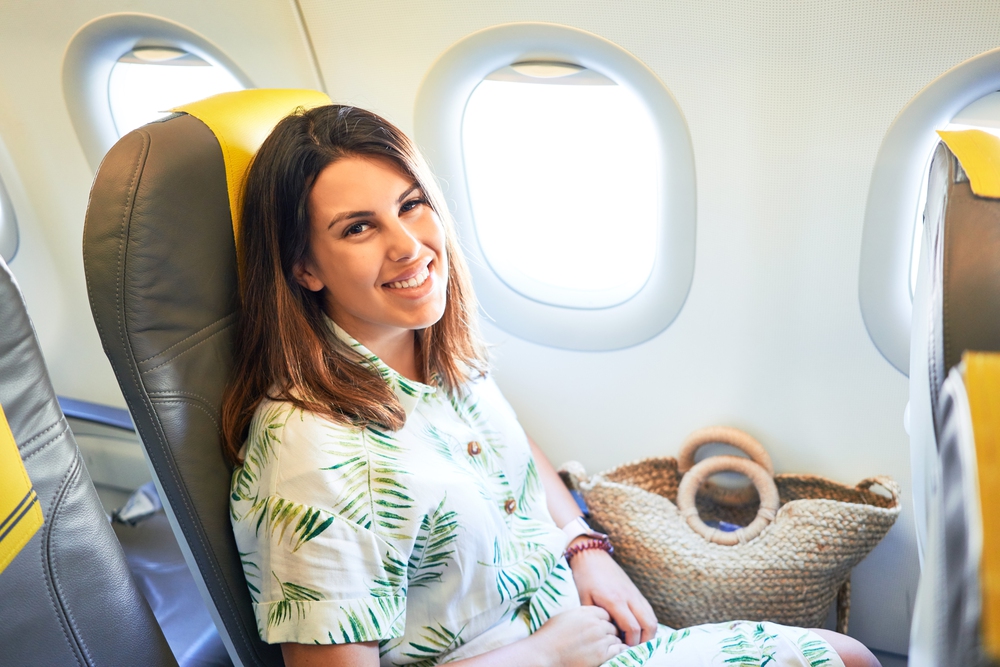
Tight jeans and rigid waistbands become instruments of torture after hour three. Soft joggers, stretchy leggings, or loose-fitting pants allow your body to relax while cabin temperatures fluctuate wildly between arctic and tropical.
A cardigan or hoodie works better than a heavy jacket since you can adjust your warmth level without wrestling with bulky fabric.
Like Travel Pug’s content? Follow us on MSN.
Skip the pre-flight caffeine

That latte at the airport may be tempting, but caffeine can remain in your system for six hours or more. Your body will do whatever it can to stay awake and fall asleep only in the reclining position amidst engine din.
Reserve the coffee for after the flight when you really need the alertness kick.
Bring a proper travel pillow
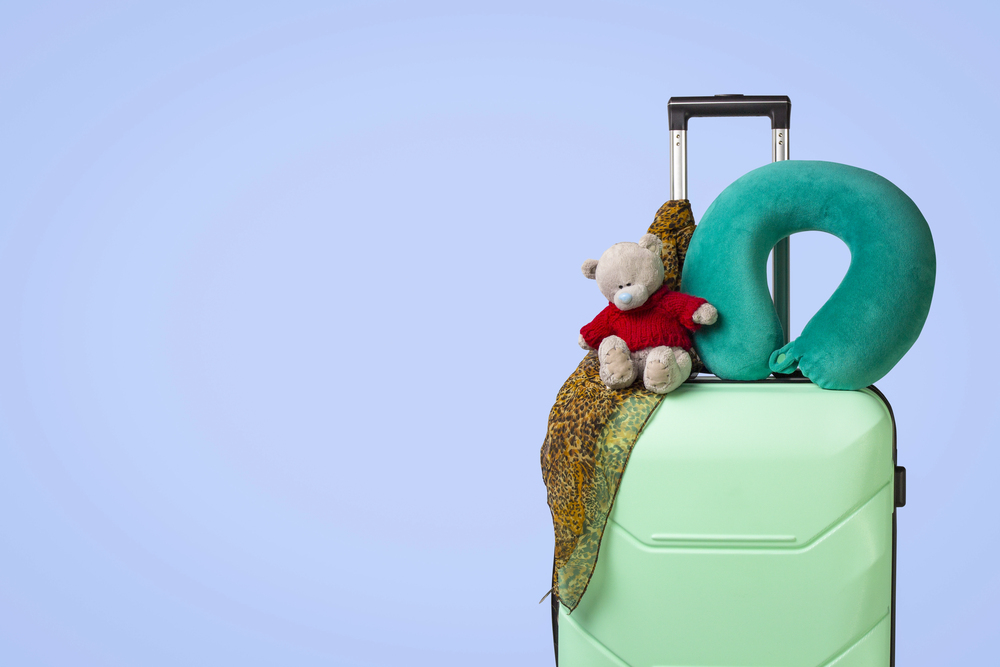
Those inflatable neck pillows shaped like horseshoes rarely deliver on their promise. Memory foam versions that support your chin or wrap-around designs that cradle your head work much better for preventing the dreaded head-bob.
Some travelers swear by J-shaped pillows that let you lean forward onto a tray table — unconventional but surprisingly effective.
Wear compression socks
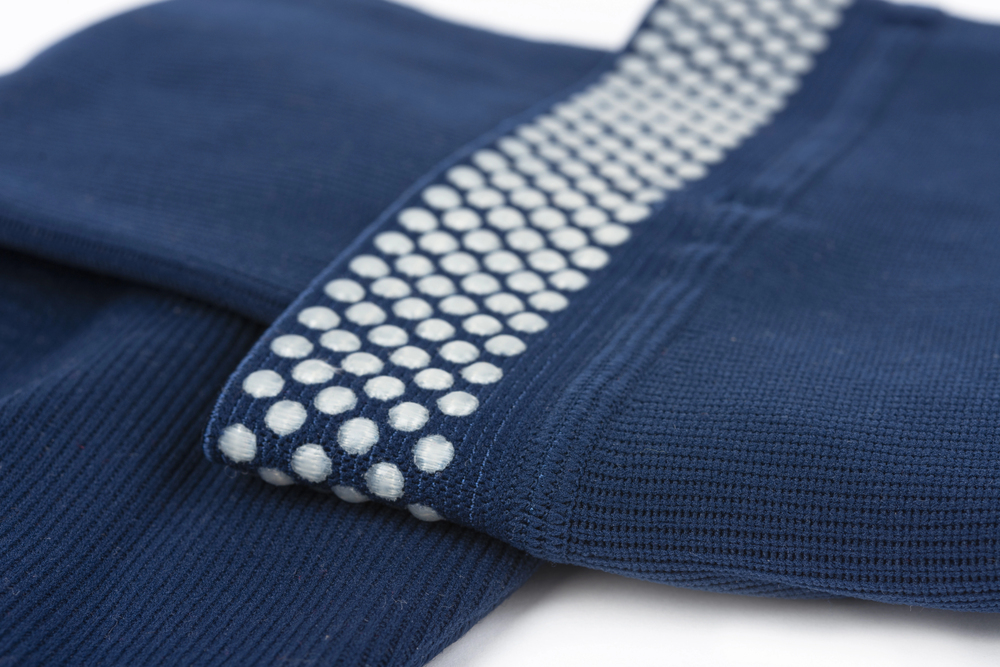
Long flights cause blood to pool in your lower legs, leading to swelling and discomfort that can last for days. Compression socks squeeze your calves gently to keep circulation flowing throughout the journey.
They’re particularly important on red-eyes since you’ll be stationary for extended periods while your body thinks it should be lying down.
Like Travel Pug’s content? Follow us on MSN.
Time your meal strategically

Eating a large dinner right before boarding will make you uncomfortable and bloated. A light meal two hours before departure gives your body time to digest while still providing enough fuel.
Avoid heavy, greasy airport food that’ll sit in your stomach like a brick while you’re trying to sleep at 35,000 feet.
Download entertainment backup options
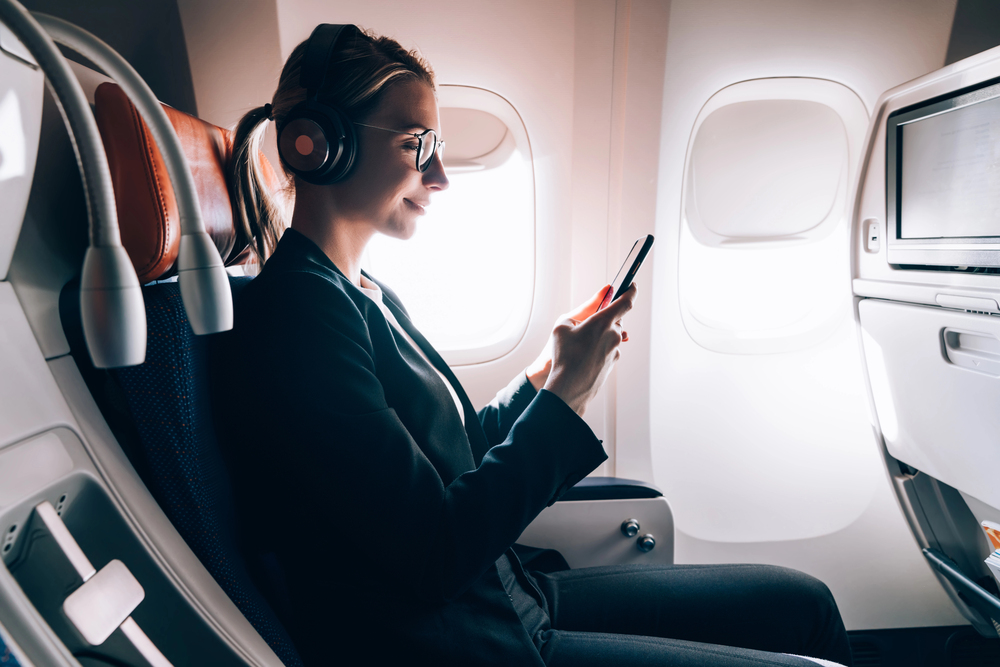
Airplane Wi-Fi fails more often than it works, and in-flight entertainment systems crash or offer terrible selections. Loading your tablet with podcasts, audiobooks, or downloaded shows ensures you have something to occupy your mind if sleep proves impossible.
Background noise from a familiar podcast can actually help some people drift off better than silence.
Hydrate before and during

Cabin air has less moisture than the Sahara Desert — around 10 to 20 percent humidity compared to the 30 to 60 percent most people prefer. Drinking water before you board and sipping throughout the flight prevents the headaches and fatigue that dehydration causes.
Skip the free wine and beer, though, since they’ll dehydrate you further and disrupt sleep quality.
Like Travel Pug’s content? Follow us on MSN.
Use a sleep mask
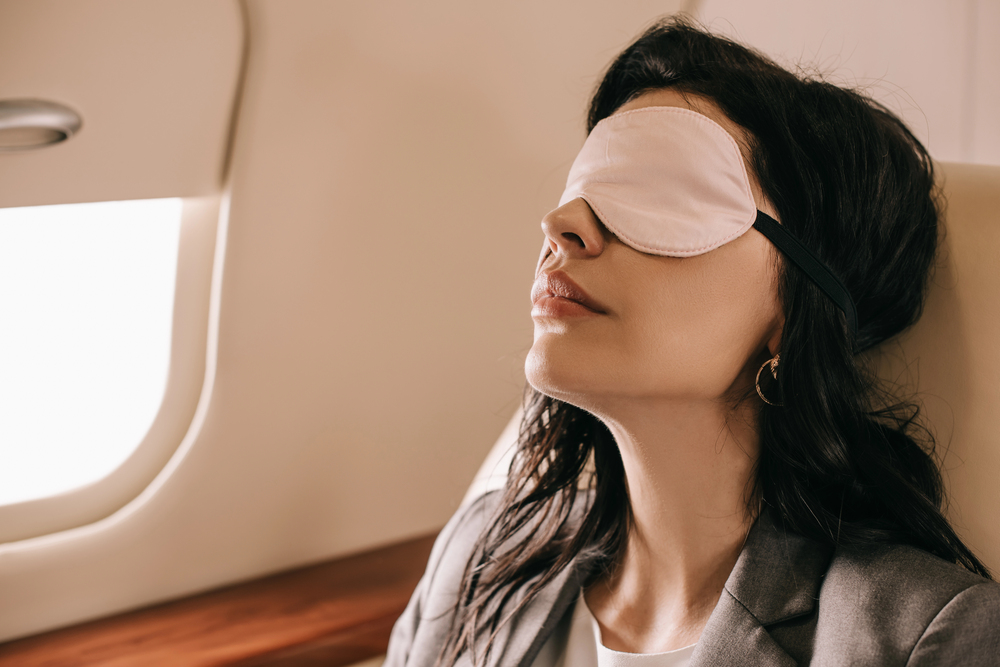
Even with the window shades down, planes never get truly dark. Overhead reading lights, glowing screens, and those tiny aisle floor lights create enough ambient brightness to confuse your brain.
A good sleep mask blocks all light and signals to your mind that it’s definitely time to rest, not time to stay alert.
Try noise-canceling headphones
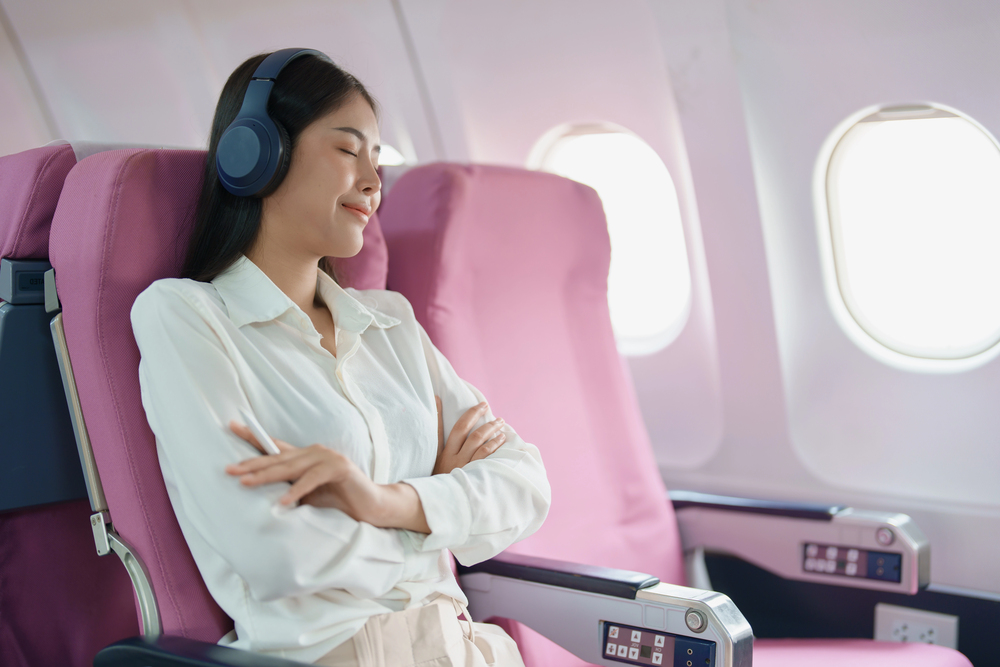
The constant drone of jet engines registers around 85 decibels — roughly equivalent to heavy city traffic right outside your window. Quality noise-canceling headphones reduce that roar to a whisper, making it exponentially easier to relax.
They also discourage chatty seatmates from striking up conversations when you’re clearly trying to zone out.
Adjust your watch early
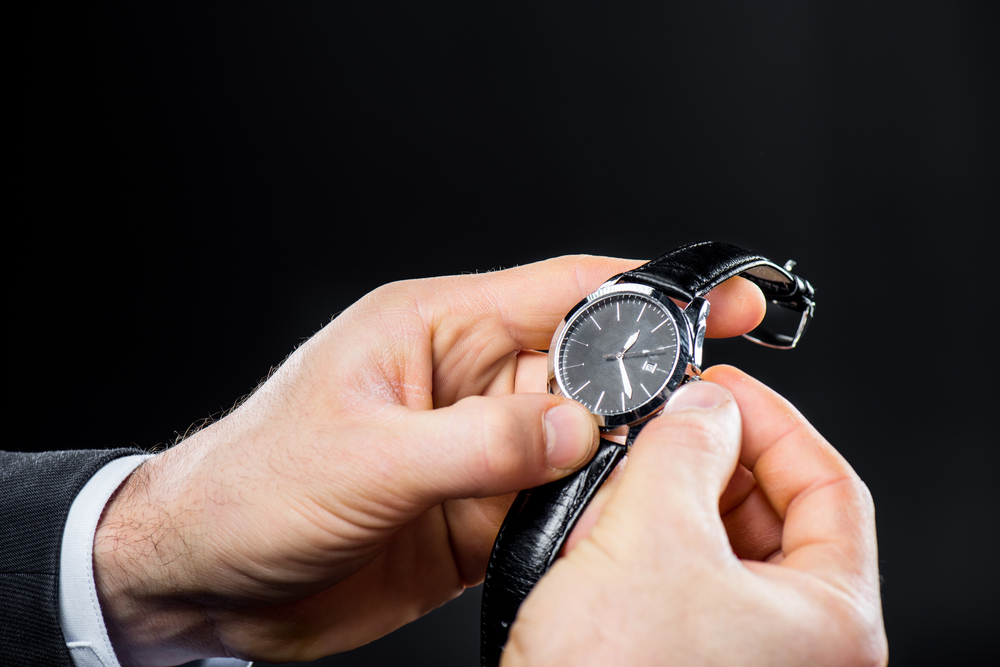
Setting your watch to your destination time zone as soon as you board helps your mind start adapting. This psychological trick makes you more likely to sleep when it’s nighttime at your destination, even if your body still thinks it’s afternoon.
The mental shift sounds minor, but it genuinely affects how quickly you adjust after landing.
Like Travel Pug’s content? Follow us on MSN.
Recline without guilt
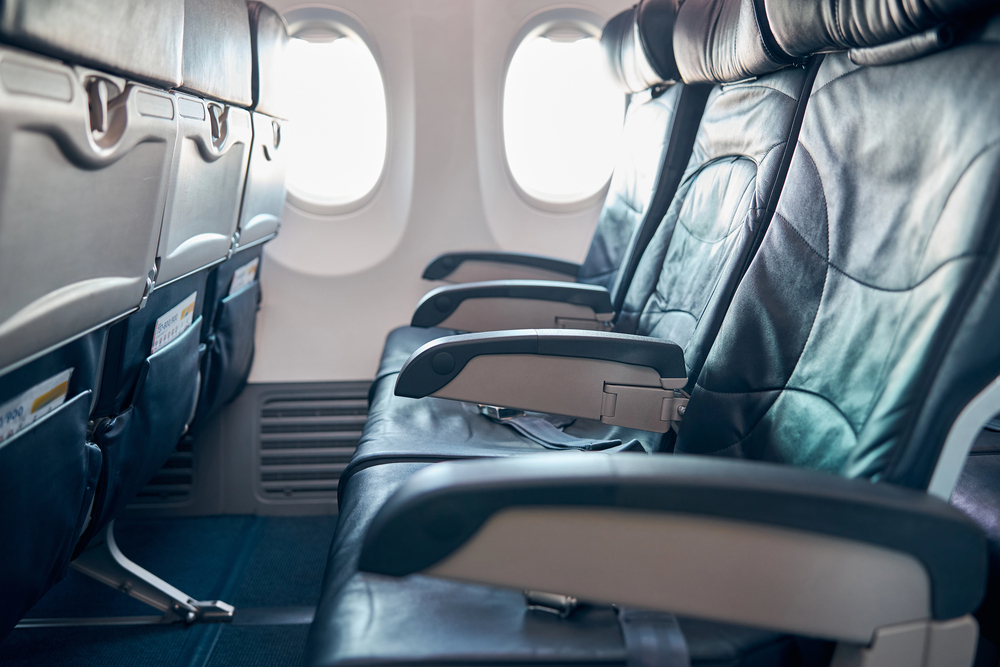
Airlines designed seats to recline for a reason, and you paid for that functionality. The person behind you has the same option you do, creating a slight discomfort for everyone.
Just avoid the aggressive slam-back move — ease your seat into position gradually to give your neighbor a moment to adjust their tray table.
Keep essentials accessible
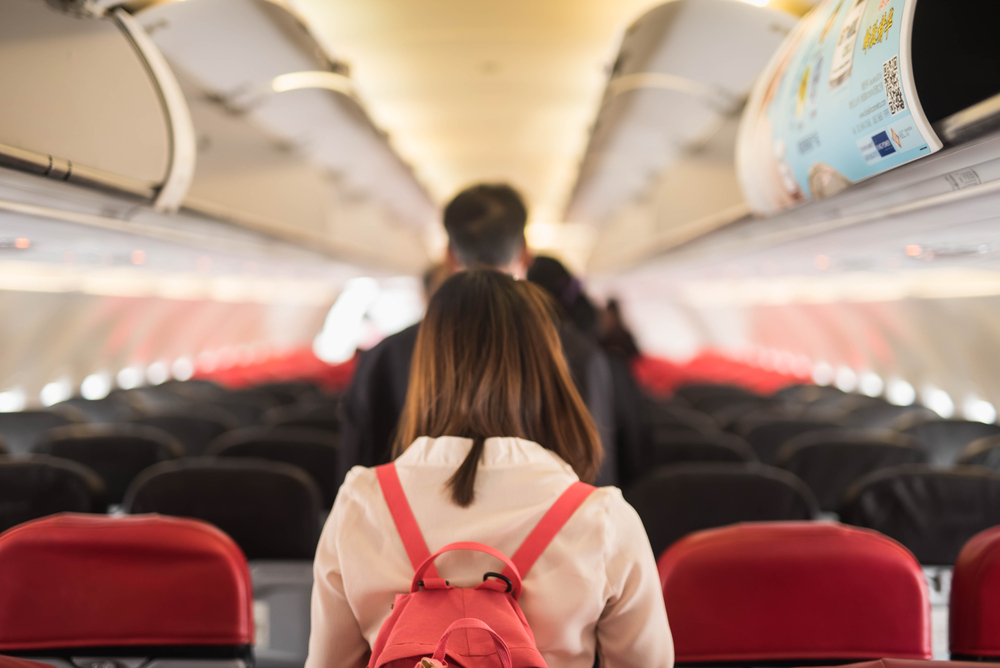
Digging through overhead bins at 2 a.m. while half-asleep is a recipe for dropping things and annoying everyone around you. Stash your sleep mask, headphones, lip balm, and medications in the seat pocket or under the seat in front of you.
Everything you need should be within arm’s reach without requiring you to fully wake up.
Avoid sleeping pills initially

Prescription sleep aids can leave you groggy for hours after landing, which defeats the purpose of taking a red-eye. They also increase the risk of deep vein thrombosis since they make you less likely to shift positions or get up to walk.
If you must take something, melatonin in small doses works with your body’s natural rhythms rather than forcing unconsciousness.
Like Travel Pug’s content? Follow us on MSN.
Moisturize your skin

That desert-dry cabin air sucks moisture from your skin faster than you’d think possible. A small tube of face cream and lip balm prevents you from arriving with tight, flaky skin and cracked lips.
Hand cream helps, too, though skip anything heavily scented that might bother people in close quarters.
Do subtle exercises
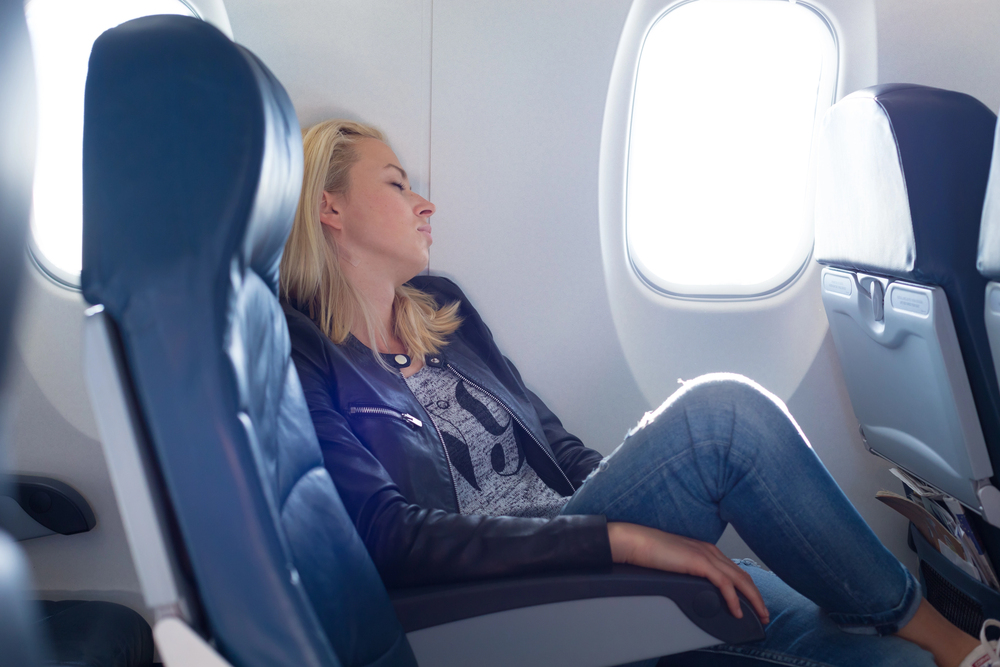
Ankle rolls, shoulder shrugs, and seated twists keep your blood moving without disturbing neighbors. These micro-movements prevent stiffness and reduce the risk of circulation problems during long periods of immobility.
Even flexing and releasing your calf muscles while seated helps maintain blood flow to your extremities.
Choose your bathroom timing
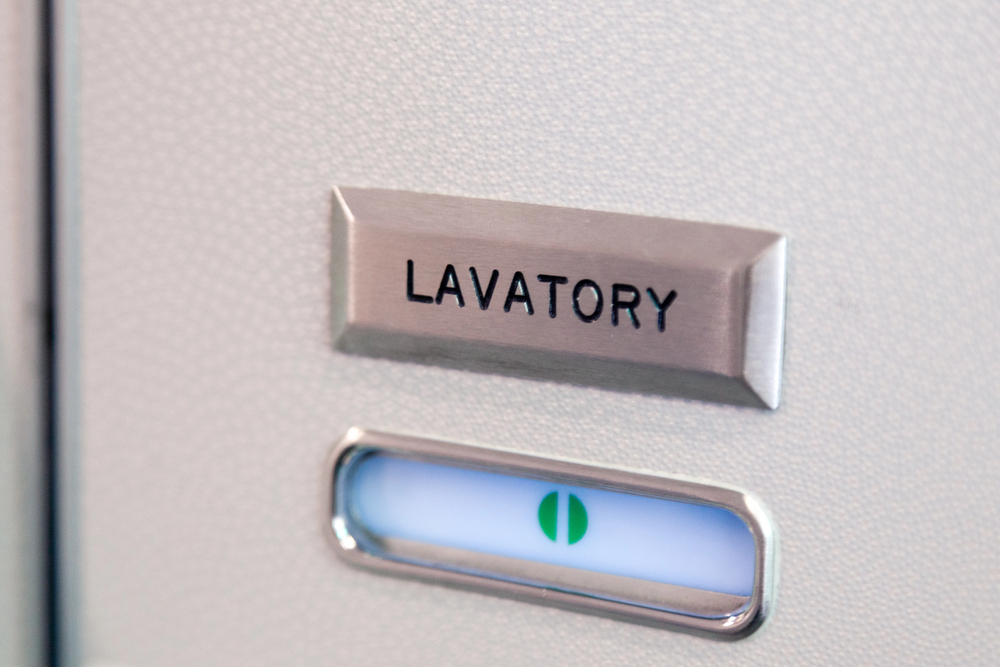
Everyone makes a bathroom dash right before landing, creating frustrating lines when you’re desperate to deplane. Going an hour before arrival avoids the rush and gives you a chance to freshen up properly.
Splashing cold water on your face and brushing your teeth works wonders for feeling semi-human again.
Like Travel Pug’s content? Follow us on MSN.
Limit screen time
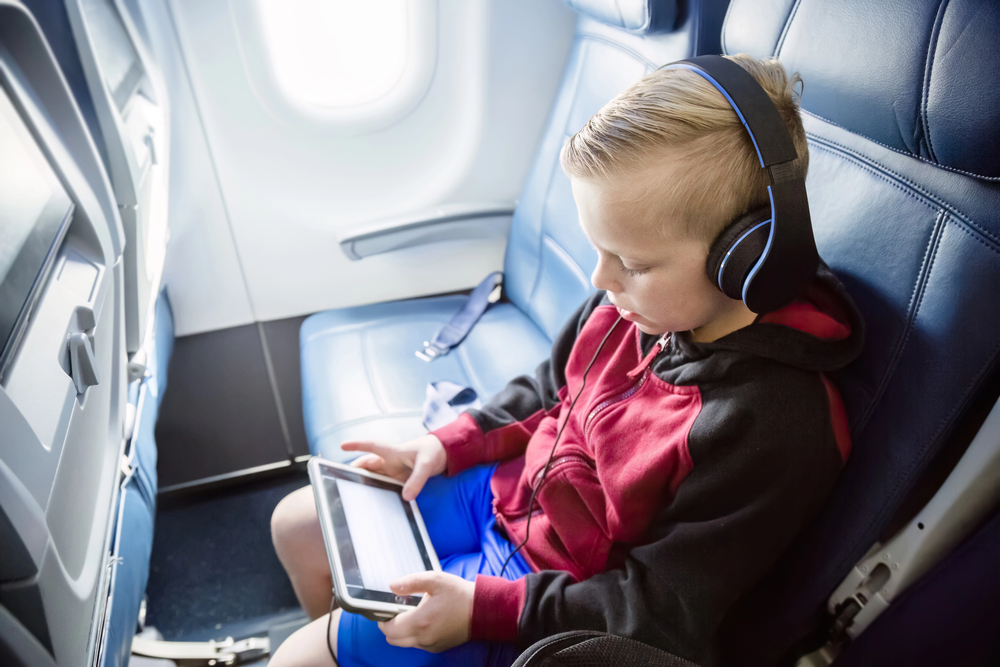
Blue light from phones and tablets tells your brain to stay awake and alert — exactly what you don’t want on a red-eye. If you must use devices, enable night mode to reduce the blue light spectrum or wear blue-light-blocking glasses.
Reading an actual book with a small clip-on light works better for winding down than scrolling through bright screens.
Pack a light snack
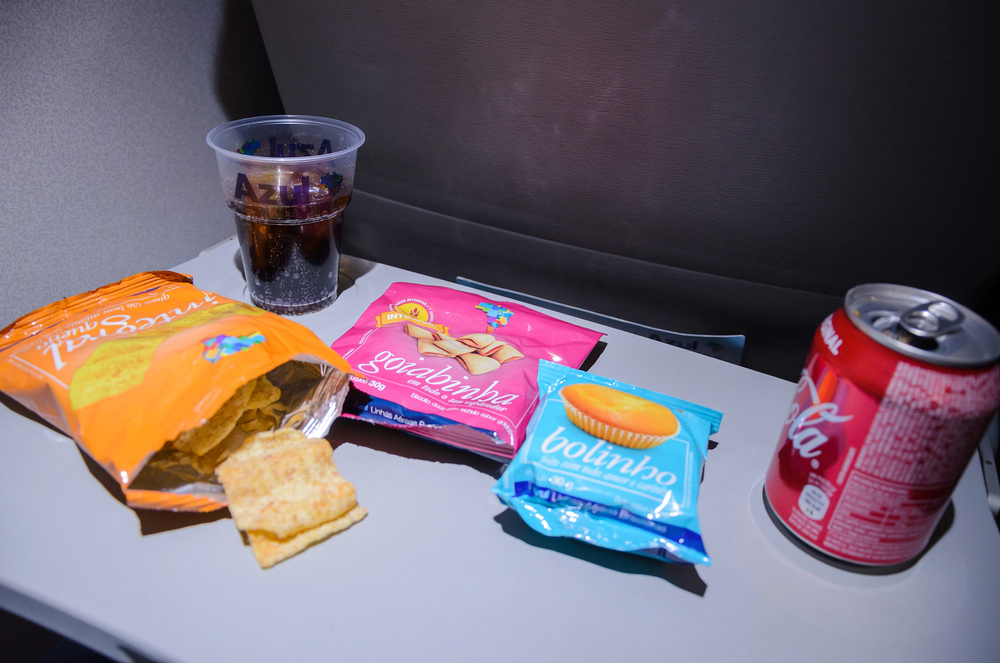
Airplane food comes on the airline’s timetable, not when your stomach is truly hungry. Having a protein bar, some nuts, or crackers in your carry-on gives you choices when you find yourself hungry at strange times.
Something that will not fall apart everywhere and leave a strong scent to irritate your seatmates in the cramped quarters.
Embrace the eye drops
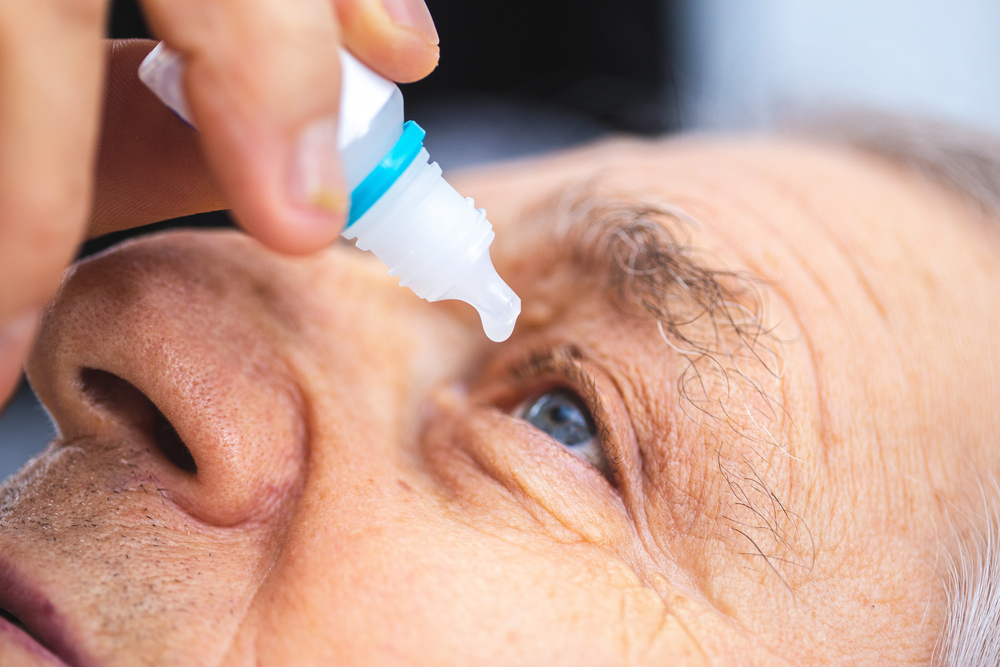
Dry, scratchy eyes make everything worse when you’re already exhausted and uncomfortable. A small bottle of moisturizing eye drops soothes irritation and helps you feel more alert after landing.
They’re particularly helpful if you wear contact lenses, which can feel like sandpaper after hours in dry cabin air.
Like Travel Pug’s content? Follow us on MSN.
Making red-eyes work for you
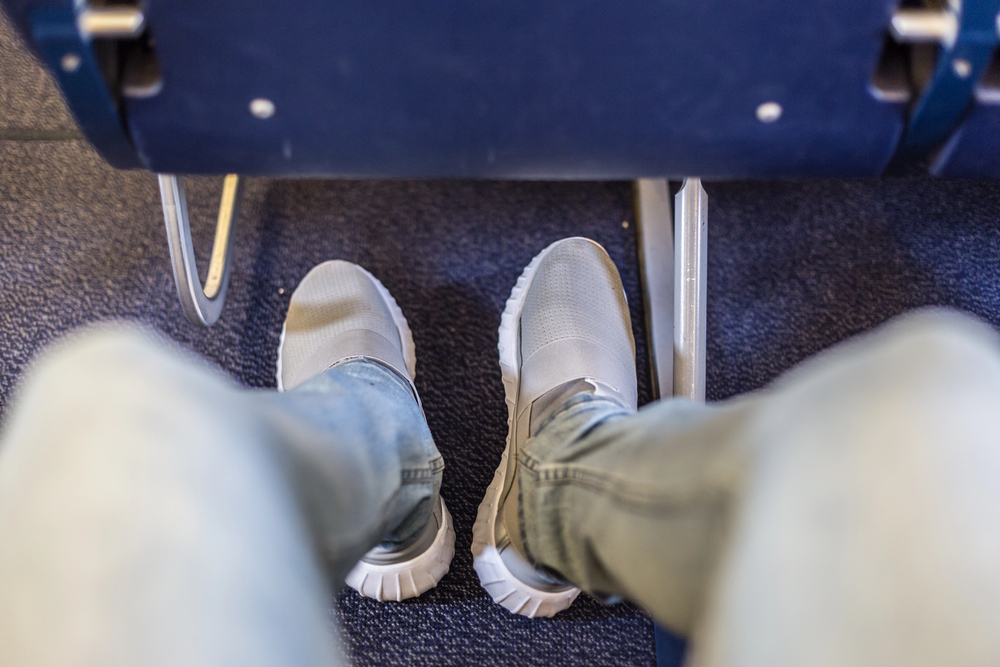
The secret to making it through overnight flights is to work with your body, not against it. Airlines maintain these flights because they clear up desirable daylight slots and are less expensive than off-peak departures, so don’t hold your breath waiting for them to go away.
Clever preparation turns what might be a miserable ordeal into something only annoying. With proper planning, you’ll get off that plane exhausted but operational rather than utterly ruined.
The hard-earned cash saved and an additional day of holiday often pays for the temporary inconvenience for travelers who are prepared to organize.
More from Travel Pug

- 20 Best Beach Towns in the Carolinas
- 13 Destinations Where Tourists Regularly Regret Their Trip
- 20 Things You Actually Get in First Class
- 20 Small Airports With Aviation Museums
- 20 Places in the U.S. That Are Perfect for a Reset Trip
Like Travel Pug’s content? Follow us on MSN.